
“Everyone needs a coach. We all need people who will give us feedback. That’s how we improve.”
— Bill Gates
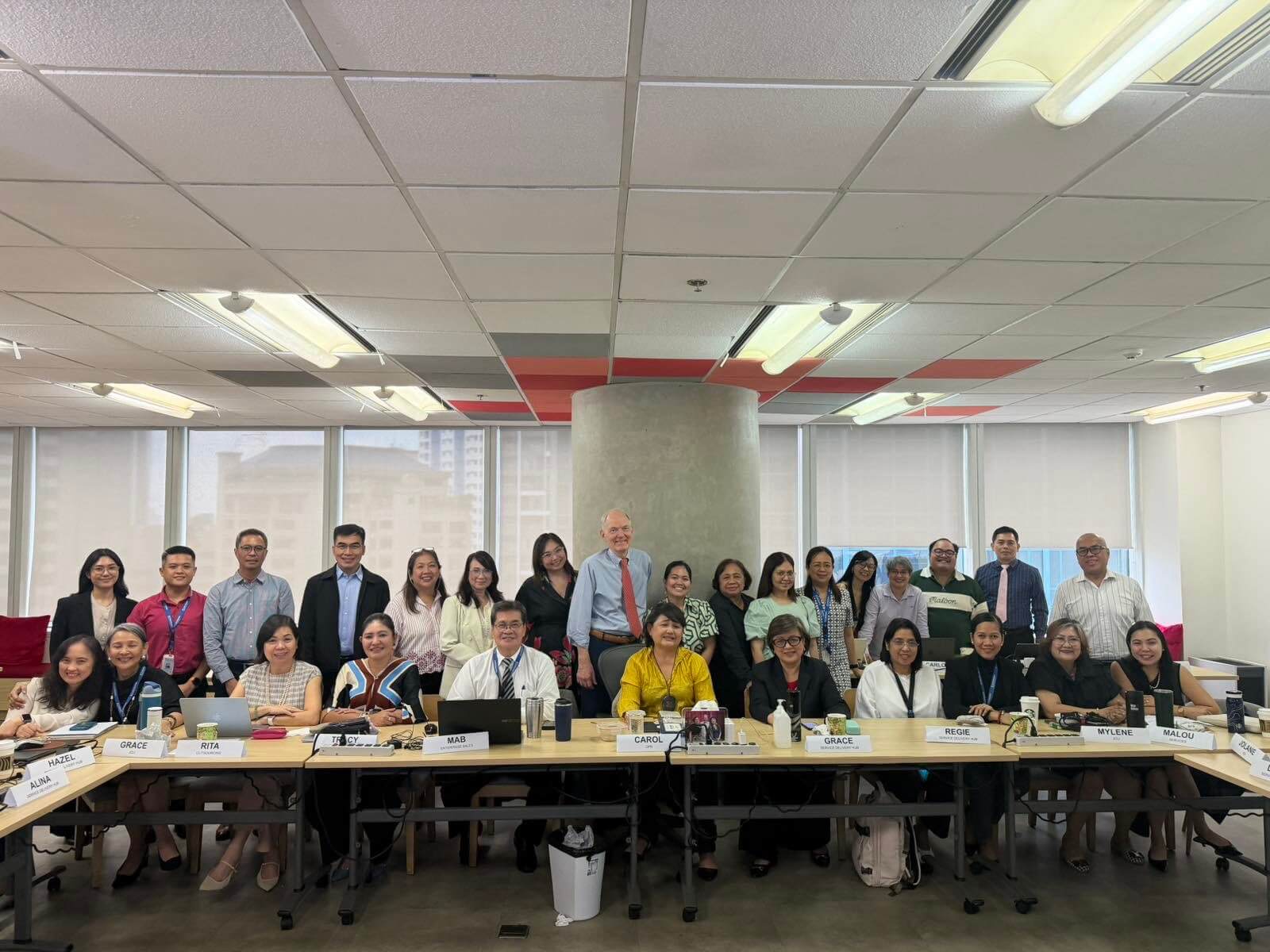
I had the opportunity to attend a coaching refresher session facilitated by Tully Moss. The program provided a valuable opportunity to revisit the fundamentals of effective coaching, strengthen our coaching skills, and reflect on how we can better support the growth and development of our colleagues and team members.
The session highlighted the important role of coaching in the workplace. Effective coaching helps employees feel valued, improves engagement and productivity, and encourages individuals to take greater ownership of their goals and development. However, coaching delivers the best results when the person being coached is willing to learn, reflect, and take action.
One of the key lessons from the session was that coaching is not about having all the answers. Instead, it focuses on helping people discover their own solutions through thoughtful questions. A good coach creates an environment where individuals can openly discuss challenges, reflect on their situation, explore possibilities, and identify practical next steps. As a result, people become more accountable and confident in making decisions.
Building Trust and Ownership in Coaching
A strong coaching relationship relies on trust, respect, and ownership. The coach should create a safe environment where the coachee feels comfortable sharing concerns, challenges, and ideas without fear of judgment. In turn, the coachee should take responsibility for personal goals and actions.
The coaching refresher emphasized three important principles:
- Center Yourself
Approach every conversation with a genuine desire to help, respect for the individual, and strong ethical standards. - Ask Rather Than Tell
Instead of immediately offering advice, use questions that encourage reflection and deeper thinking. - Provide Timely Feedback
Share constructive feedback when it is relevant and helpful, not only during formal performance reviews.
Furthermore, these principles help create meaningful conversations that support long-term development rather than short-term fixes.
The G.R.O.W. Model: A Practical Coaching Framework
A key framework discussed during the coaching refresher was the G.R.O.W. Model, which provides a structured approach to coaching conversations.
G – Goal
Identify what the coachee wants to achieve and define what success looks like.
R – Reality
Examine the current situation by understanding facts, challenges, assumptions, and circumstances surrounding the issue.
O – Options
Explore possible solutions and approaches rather than relying immediately on the coach for answers.
W – Way Forward
Convert the discussion into action by identifying specific steps, timelines, resources, and measures of success.
Consequently, the G.R.O.W. Model reinforces the importance of ending every coaching conversation with a clear action plan and accountability.
For more information about leadership and workplace development practices, readers may refer to:
The Power of Powerful Questions
The session also highlighted the value of asking powerful questions. The right questions encourage individuals to think differently, build self-awareness, and take ownership of their decisions.
Examples include:
- What would you like to achieve?
- What options do you have?
- What could be preventing you from moving forward?
- What can you do differently?
- What will you do first, and by when?
Specifically, these questions help the coachee reflect on challenges and identify practical solutions.
Active listening is equally important. A coach must listen carefully, understand the coachee’s perspective, and use paraphrasing, questioning, and feedback to generate new insights. In contrast, rushing to provide answers can limit learning and ownership.
Putting Learning into Practice
At the end of the session, we participated in an interactive group activity during the coaching refresher. Participants were divided into eight teams with three members each. Every member took on one of three roles: coach, coachee, or observer.
The coach facilitated the conversation using the techniques discussed during the session. Meanwhile, the coachee shared a challenge or situation for discussion. The observer focused on the coaching approach and provided feedback after the exercise.
The activity allowed everyone to experience coaching from different perspectives:
- As Coaches: We practiced active listening and powerful questioning instead of immediately offering solutions.
- As Coachees: We experienced how effective questions can lead to deeper reflection and self-discovery.
- As Observers: We identified effective coaching behaviors and areas for improvement.
After the activity, participants joined a discussion and sharing session to exchange experiences and key learnings. Everyone participated actively, making the exercise engaging and meaningful. The experience demonstrated that coaching can be applied not only during formal sessions but also in everyday interactions with colleagues and team members.
Key Takeaways from the Session
The coaching refresher reinforced several important lessons:
- Coaching is about guiding people toward their own solutions.
- Trust and psychological safety create stronger coaching relationships.
- Powerful questions encourage reflection and accountability.
- The G.R.O.W. Model provides a practical structure for coaching conversations.
- Active listening remains one of the most important coaching skills.
A New Perspective
The Coaching Refresher Course served as a meaningful opportunity to strengthen our understanding of effective coaching and mentoring. It reminded us that coaching is not about telling people what to do or providing immediate answers. Rather, it involves creating an environment where individuals can think critically, reflect, discover solutions, and take ownership of their actions.
By applying the lessons from this coaching refresher, we can build stronger coaching conversations, develop deeper workplace relationships, and create a culture where colleagues and team members feel supported and empowered to reach their full potential.
Ready to strengthen leadership capabilities and workplace performance through effective people development strategies? Contact the John Clements team today: https://www.johnclements.com/contact-us/

