
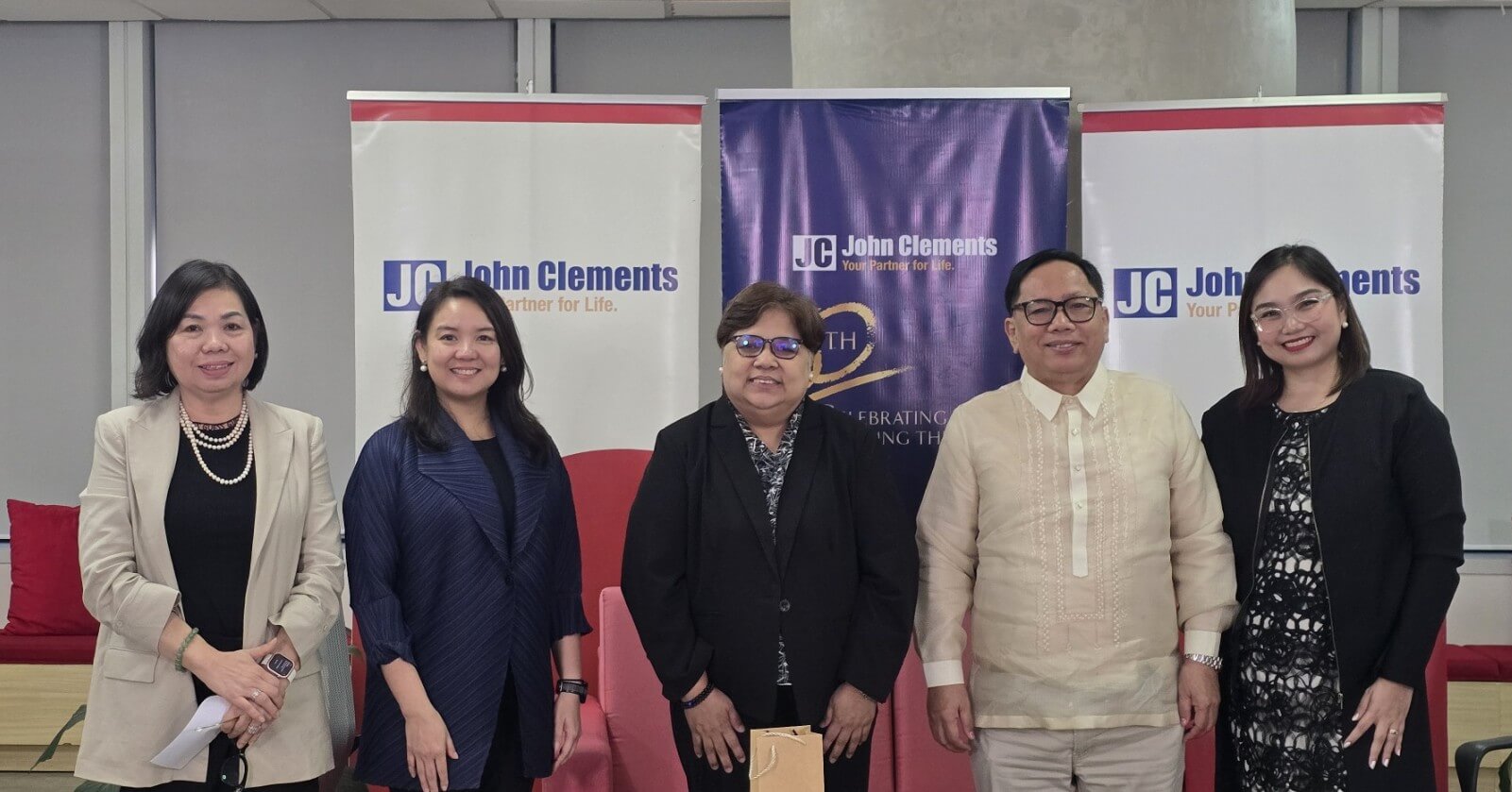
For many organizations, contractors are often discussed in terms of compliance, cost control, and administration. However, during the recent Weekly with JC session, “Myth vs. Reality: How HR Creates Real Value in Service Contracting,” industry leaders challenged this traditional view and shared a more strategic approach.
The discussion explored how HR can transform service contracting from a transactional activity into a workforce strategy that contributes directly to business success. Led by keynote speaker Norman Gayloa, together with panelists Francesca Defensor and Marissa Marella, and moderated by Anna Francesca Gardaya, the session highlighted the growing importance of outsourced talent and HR’s role in maximizing its value.
A clear message emerged throughout the conversation: outsourced employees are not simply external resources. They are an essential part of the workforce, and their performance, engagement, and experience directly influence organizational outcomes.
Understanding the Role of Outsourced Talent in Today’s Workforce
In the Philippines, outsourced and contractual employees represent a significant portion of the workforce across many industries. Despite their contributions, many organizations still treat them differently from regular employees.
According to the Department of Labor and Employment (DOLE), employers must ensure compliance with labor regulations governing contracting and subcontracting arrangements. https://www.dole.gov.ph
However, Norman emphasized that focusing only on compliance can limit workforce potential. When organizations view contractors primarily through a legal or administrative lens, they often miss opportunities to improve productivity, retention, and workforce stability.
Consequently, HR leaders must adopt a broader perspective. Service contracting should not function solely as a procurement process. Instead, it should form part of a larger talent strategy that supports business objectives while creating a positive employee experience for all workers, regardless of employment status.
This shift calls for HR professionals to become active partners in workforce planning, employee engagement, and performance management. Their role extends far beyond policy administration.
How HR Creates Strategic Value
HR as a Connector of People, Systems, and Business Goals
One of the most valuable insights from the session centered on the evolution of HR’s responsibilities in outsourced workforce management.
Norman described HR as a connector of systems, people, and business objectives. Beyond ensuring compliance, HR leaders must develop strategies that strengthen workforce health and improve organizational performance.
Key HR roles discussed during the session included:
- Workforce Architect
- Engagement Builder
- Performance Steward
- Retention Strategist
- Culture Champion
- Governance Partner
These roles require HR teams to create structures that support contractor success while maintaining alignment between service providers and client organizations.
Furthermore, workforce health extends beyond compliance. Engagement, recognition, onboarding, workplace experiences, and career opportunities all influence how effectively contractors perform.
Why Cost Should Not Be the Main Driver
Looking Beyond Rates and Fees
A common misconception about outsourcing is that lower cost automatically delivers greater value.
While cost efficiency remains important, the panelists agreed that organizations often experience challenges when cost becomes the primary selection criterion. Poor candidate quality, attendance concerns, inconsistent service delivery, and high turnover frequently follow decisions based solely on pricing.
Instead, organizations should prioritize sustainable workforce capabilities. Effective service contracting partnerships create value, improve operational performance, and provide access to high-quality talent.
Specifically, recruiters and HR professionals should evaluate providers based on several factors:
- Talent quality
- Workforce management practices
- Compliance standards
- Industry expertise
- Partnership approach
These elements contribute significantly to long-term success.
Creating Better Experiences for Contract Workers
Employee experience emerged as another major theme during the discussion.
The panelists emphasized that contractual employees deserve the same respect, dignity, and engagement opportunities as regular employees. Organizations that invest in contractor experience often benefit from stronger performance, higher accountability, and improved retention.
Strong contractor experiences begin with:
- Professional onboarding experiences
- Clear communication and expectations
- Access to workplace resources
- Recognition programs
- Inclusion in engagement initiatives
Norman shared examples from previous organizations where outsourced employees participated in company celebrations, cultural initiatives, and employee activities. As a result, employees developed stronger commitment and a deeper sense of belonging.
The lesson was simple. People perform better when they feel valued.
Culture and Partnership Deliver Better Outcomes
Moving from Transactions to Collaboration
Francesca Defensor shared insights from the energy sector and highlighted the importance of workplace culture and partnership.
Rather than separating contractors from the broader workforce, leading organizations integrate them into business objectives and organizational culture. This practice creates stronger alignment between clients and service providers while improving engagement.
In contrast, companies that maintain strict divisions between contractors and employees often struggle to build workforce cohesion.
The discussion also highlighted the importance of shared accountability. Neither the agency nor the client can solve workforce challenges alone. Sustainable solutions require active collaboration between both parties.
Examples from the BPO industry demonstrated that joint interventions could improve retention, reduce attrition, and strengthen overall business performance. Therefore, successful service contracting depends on partnership rather than simple transactions.
Protecting Workers While Supporting Business Success
Marissa Marella contributed practical HR insights based on challenges involving agency partners, including attendance issues, quality concerns, and labor-related disputes.
Her experiences reinforced the importance of strong governance frameworks and clearly defined expectations.
To protect contractual employees while strengthening workforce performance, organizations should implement:
- Stronger contract provisions
- Verification of SSS contribution compliance
- Regular employee check-ins
- Ongoing performance reviews
- Transparent communication channels
Organizations may also refer to the Social Security System for contribution requirements and worker protection guidelines: https://www.sss.gov.ph
These practices protect workers, strengthen trust, and support positive employer branding.
In today’s competitive labor market, employee welfare has become a critical factor in attracting and retaining quality talent.
Key Takeaways for Recruiters
The session offered several important lessons for recruiters and talent acquisition professionals:
- Prioritize quality over hiring speed.
- Start retention efforts during recruitment.
- Build strong partnerships with stakeholders.
- View contractual employees as strategic talent.
- Contribute workforce insights that support business decisions.
Additionally, recruiters have an opportunity to elevate their role. By providing market intelligence, identifying workforce risks, and contributing to talent planning discussions, they can become strategic workforce advisors rather than transactional hiring partners.
The Future of Workforce Partnerships
As technology continues to reshape the workplace, workforce models will continue to evolve. Although AI and automation will influence how organizations operate, the panel reinforced one critical reality: human connection remains essential.
Employee engagement, trust, culture, and meaningful workplace experiences will continue to separate successful organizations from their competitors.
Ultimately, service contracting is not simply about managing vendors or reducing costs. It is about building sustainable workforce partnerships that support employees, strengthen organizational culture, and drive long-term business performance.
Partner with John Clements
At John Clements, we believe that strong workforce strategies start with people. Whether you are exploring service contracting, strengthening recruitment processes, or preparing for future workforce demands, informed decisions create better outcomes.
Explore our outsourcing services page for more insights on outsourcing, talent solutions, and workforce management
Stay connected with John Clements for expert discussions, workforce insights, and practical strategies that help organizations unlock the full value of their people.

