

In today’s fast‑changing business environment, leadership is no longer defined by expertise alone. The most effective leaders create lasting impact by developing people—cultivating critical thinking, strengthening decision‑making, and empowering others to perform at their highest potential.
As organizations navigate continuous transformation, coaching leadership development has become a strategic capability. It drives employee growth, strengthens engagement, and builds resilient, high‑performing teams. Session 9 of the John Clements Mid‑Level Managers Program facilitated by Ms. Tracy Piamonte, Assistant Vice President of Outsourcing, explored how coaching enables leaders to unlock potential through purposeful conversations and intentional leadership.
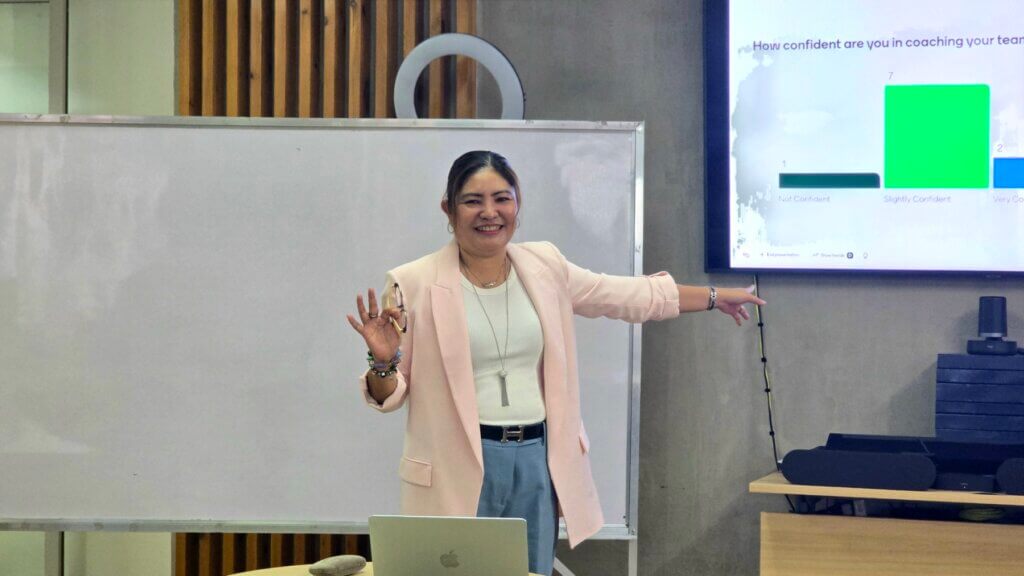
Management Drives Performance. Coaching Develops People
One of the session’s most powerful insights was the distinction between management and coaching.
- Management establishes direction, drives execution, sets expectations, and ensures accountability.
- Coaching develops the individual behind the performance. It equips employees to think independently, embrace ownership, adapt to change, and continuously improve.
Organizations thrive when leaders balance both disciplines. Instead of creating teams that rely on managers for every answer, coaching develops professionals who can solve problems, make sound decisions, and contribute strategically to success.
At its core, coaching is the art of guiding people toward discovering their own solutions. Through thoughtful questions, intentional listening, and meaningful reflection, leaders strengthen confidence, sharpen judgment, and inspire accountability. This is the essence of coaching leadership development.
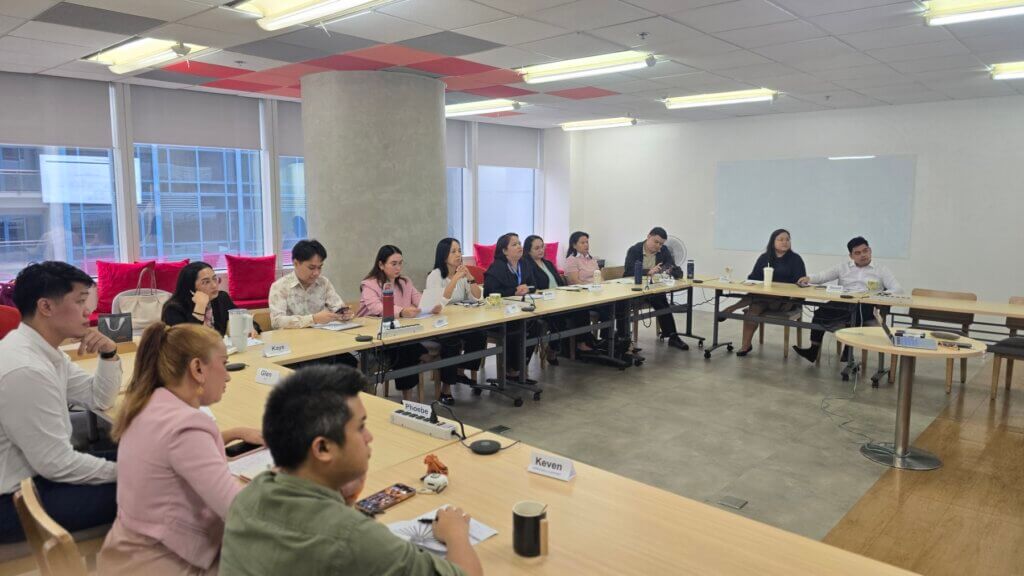
Great Leaders Ask Questions That Inspire Thinking
Great coaching begins with curiosity, not immediate solutions.
Rather than rushing to solve problems, effective leaders ask open‑ended questions that encourage reflection and independent decision‑making:
- What are your thoughts on this situation?
- What do you think is contributing to the challenge?
- Can you walk me through what happened?
- What options have you considered so far?
- What outcome are you hoping to achieve?
- What support would help you move forward?
These questions encourage employees to analyze situations, evaluate alternatives, and identify practical solutions. More importantly, they strengthen accountability because employees take ownership of both the thinking process and the actions that follow.
Curiosity Builds Trust
Powerful questions are only effective when rooted in genuine curiosity. Exceptional coaches seek to understand before they respond. They replace assumptions with inquiry and create an environment where employees feel comfortable sharing ideas and learning from mistakes.
This approach builds psychological safety, strengthens trust, and encourages open communication. When employees feel heard and respected, collaboration improves, innovation flourishes, and continuous learning becomes part of the team’s culture.
Curiosity opens the conversation. Trust allows it to create meaningful change. This is a cornerstone of coaching leadership development.
Listening Is a Leadership Superpower
Asking better questions is only the beginning. Those questions create value only when leaders truly listen.
Active listening means listening to understand—not simply listening to respond. By paying close attention to both spoken words and underlying emotions, leaders gain deeper insight into their employees’ perspectives. Techniques such as paraphrasing, clarifying, and summarizing demonstrate empathy while encouraging deeper reflection.
Many breakthroughs occur not because a leader provides the right answer, but because someone finally feels genuinely heard.
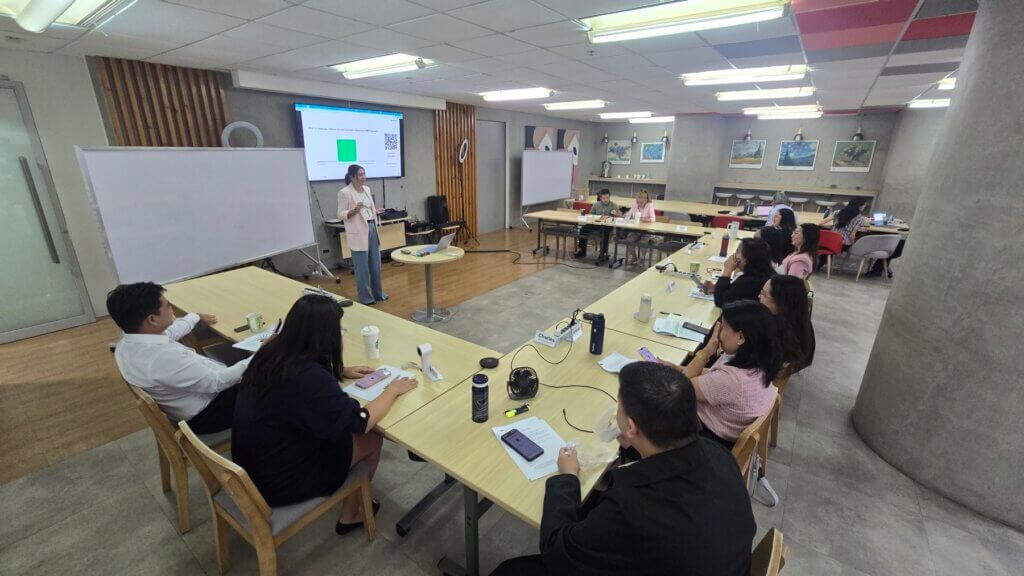
Pause Before Giving Advice
Another valuable lesson challenged a common leadership habit—offering advice too quickly.
Although expertise remains valuable, providing solutions too early can unintentionally reduce learning and limit ownership. Coaching encourages leaders to pause, ask one more thoughtful question, and create space for employees to think through challenges independently.
When employees develop their own action plans, they become more committed to executing them. Over time, this strengthens resilience, improves decision‑making, and builds confidence. The goal is not dependence on the leader, but capable people who can lead themselves and eventually lead others.
Coaching Is a Leadership Mindset
Session 9 reinforced a timeless principle: organizations achieve sustainable success when leaders invest in developing people, not simply managing performance.
Coaching leadership development is far more than a communication technique. It is a mindset grounded in trust, curiosity, empowerment, and continuous learning. Every thoughtful question, every moment of intentional listening, and every opportunity to encourage independent thinking creates a ripple effect that extends far beyond a single conversation.
Leaders who coach consistently cultivate confident individuals, stronger teams, and organizations where learning becomes part of everyday work.
Continue Your Leadership Journey
Great leaders are remembered not for having all the answers, but for developing people who can find solutions and lead with purpose. Every meaningful coaching conversation strengthens confidence, expands capability, and contributes to stronger organizational performance.
If you’re committed to strengthening your coaching skills, developing high‑performing teams, and becoming a more effective leader, explore the programs offered by the John Clements Leadership Institute.

