

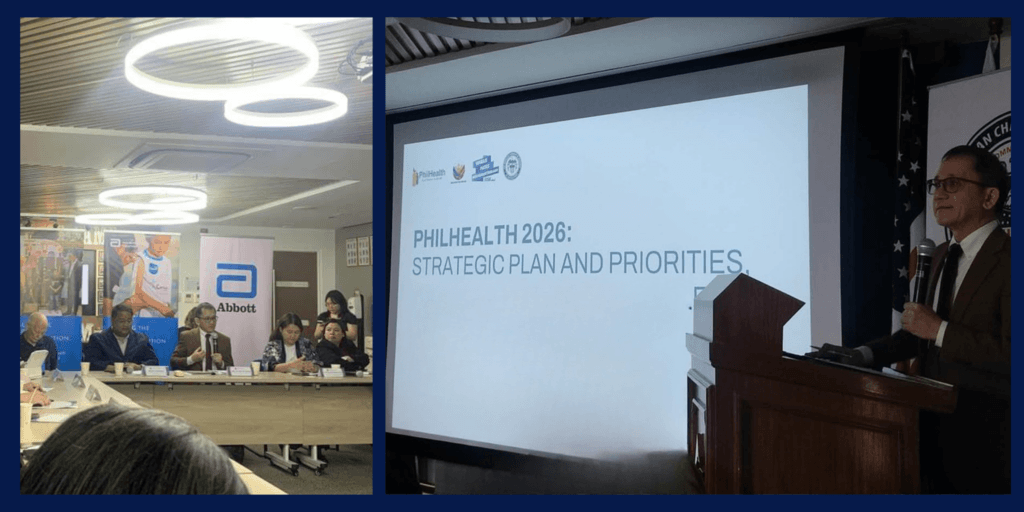
Last April 10, I attended the “PhilHealth 2026: Strategic Plans and Priorities, A Stakeholder Roundtable,” organized by the American Chamber of Commerce of the Philippines Pharmaceuticals and Human Capital & Resources Committee, together with my colleague, Angel Balud. Listening to Eli Dino D. Santo, EVP and COO of PhilHealth, I found myself reflecting less on policy details and more on what these changes truly mean for us in HR, for our employees, and for the future of workplace health in the Philippines.
For reference, PhilHealth updates are available at: https://www.philhealth.gov.ph
A Shift That Directly Impacts Workforce Health
From an HR perspective, PhilHealth’s direction toward strengthening primary care is a welcome and necessary shift. In many organizations, healthcare benefits are often maximized only when employees are already unwell. Consequently, this results in higher medical costs, longer recovery periods, and productivity disruptions.
What this new direction signals is a move toward prevention rather than reaction. For HR teams, this opens opportunities to design programs that encourage early consultations, routine check-ups, and overall health awareness. A healthier workforce does not just reduce absenteeism. It improves engagement, morale, and long-term retention.
Bridging Awareness and Access in the Workplace
One recurring challenge we see in HR is that employees are not always fully aware of the benefits available to them. Even when benefits exist, access and understanding can be barriers.
At John Clements Consultants, Inc., we saw this firsthand. Earlier this year, we invited a YAKAP-accredited clinic to provide consultations, basic tests, and prescriptions to our employees. What stood out was how many employees only discovered during that activity that they were already entitled to these services under PhilHealth 2026.
This reinforces a key realization for us in HR. It is not enough to offer benefits. We need to actively bring these services closer to employees and create opportunities for them to engage with the healthcare system in a more accessible way.
The Role of HR in Supporting Preventive Care
As PhilHealth continues to strengthen its programs, HR leaders have a critical role to play in translating these initiatives into real employee experiences. This includes integrating healthcare into employee engagement strategies, promoting regular health check-ups, and partnering with accredited providers.
More importantly, it means shifting the narrative within organizations. Healthcare should not be seen as something employees turn to only during emergencies. It should be part of their regular routine.
By aligning with PhilHealth’s direction, companies can move toward a more proactive approach to employee well-being. This not only supports compliance but also builds a culture that values health as a long-term investment.
A Shared Responsibility Between Public and Private Sectors
The roundtable also emphasized the importance of collaboration. PhilHealth cannot drive this transformation alone. The private sector, including organizations like ours, plays a crucial role in ensuring that these programs reach employees and are fully utilized.
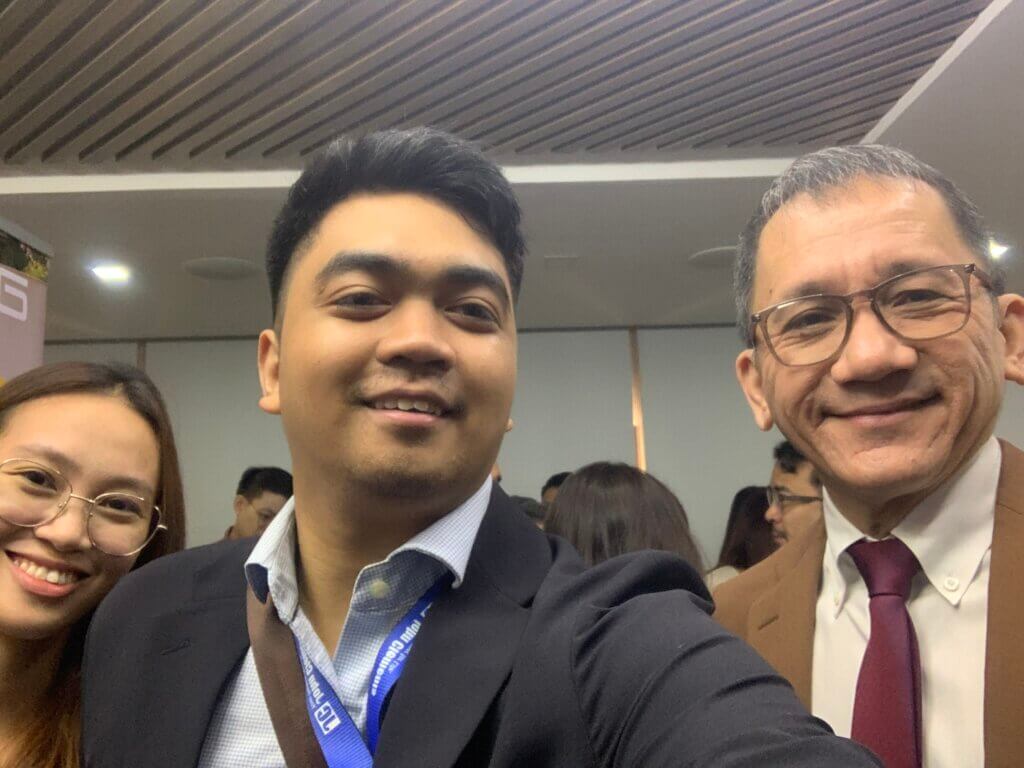
Our brief interaction with Atty. Santo after the session reinforced this idea. There is a strong call for organizations to support initiatives that expand access and improve awareness. Specifically, for HR, this is an opportunity to be more intentional in how we design and deliver health-related programs.
Moving from Treatment to Prevention
What resonated with me most is the evolving goal of PhilHealth 2026. The vision is no longer centered on supporting Filipinos only when they are already sick. Instead, it aims to encourage members to use their benefits even before illness occurs.
This is where primary care becomes critical. The goal is for employees to regularly access consultations, screenings, and preventive services so they can stay healthy. In contrast, many still think of using PhilHealth only when they are hospitalized or facing a medical condition. This is exactly the mindset the reforms aim to change.
For us in HR, this shift is significant. It allows us to champion a workplace culture where health is proactive, not reactive. When employees begin to use their benefits for prevention, we are not just managing healthcare costs. We are helping build a workforce that is healthier, more resilient, and better equipped to perform at their best.
In the end, these reforms are meaningful because they ensure that employees use their benefits in ways that keep them well long before illness begins. This is the long-term promise of PhilHealth/
Conclusion
Our team at John Clements Consultants, Inc. can help you strengthen your employee health programs and workplace engagement strategies.
Connect with us today at https://www.johnclements.com/contact-us/

