
Key Takeaways
- Resilience is as important as transition. Building renewable capacity is only part of the equation. The grid must absorb and manage changes reliably.
- Grid modernization is urgent. A changing energy mix requires stronger transmission, storage, and flexible operations.
- No single solution exists. Renewables, natural gas, storage, and conventional generation must work together.
- Energy drives competitiveness. Reliable power influences investment decisions and industrial growth.
- Collaboration is critical. Government, industry, investors, and technology providers must continue working together.
Philippines energy security has always been a critical conversation. After attending the 7th and 8th AmCham Energy Forums, and now the 9th, I noticed a significant shift. The discussion is less about what the future energy system should look like and more about whether our current system can withstand the pressures of getting there.
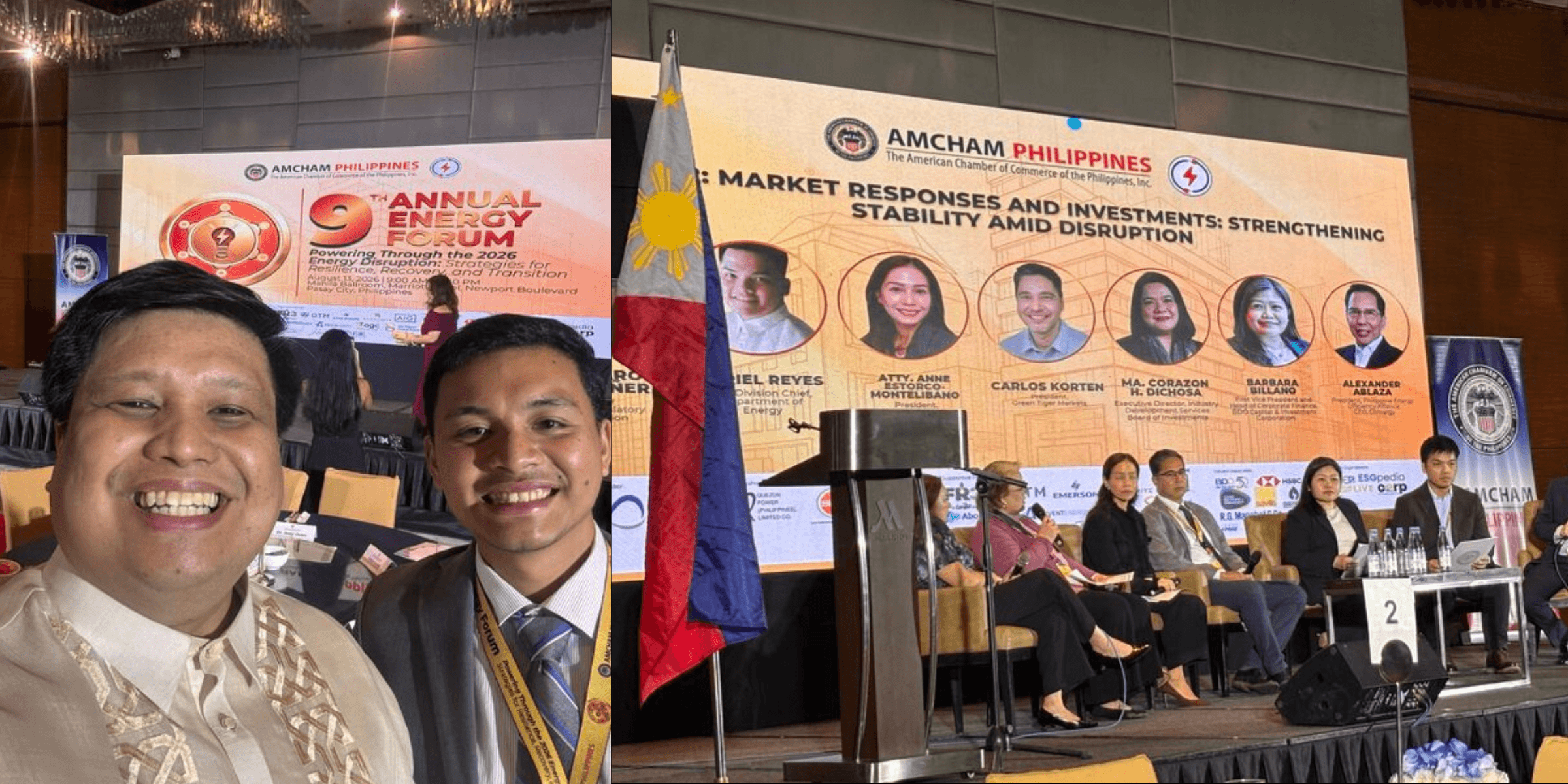
The 9th Annual AmCham Energy Forum, held at the Manila Marriott Hotel, carried the theme “Powering Through the 2026 Energy Disruption: Strategies for Resilience, Recovery, and Transition.” The forum brought together government officials, energy companies, investors, technology providers, and other stakeholders to address challenges facing the Philippine energy sector.
From Energy Transition to Energy Resilience
Looking back, the evolution is clear. The 7th Forum in 2024 focused on efficiency and progress, covering the Philippine Energy Plan, regulations, investments, and renewable energy. By the 8th Forum in 2025, the focus shifted to balancing three priorities: security, affordability, and sustainability.
Now, the question is: How do we build an energy system that remains reliable while the system itself is changing? That means preparing for renewable intermittency, strengthening transmission, dealing with aging assets, improving flexibility, and ensuring regulatory structures keep pace.
The Reality of a Changing Grid
Renewable energy growth brings benefits but also variability. Much of the country’s conventional generation infrastructure has been operating for decades.
The Philippines must add new capacity while maintaining reliability. It must modernize the grid while demand grows. And it must integrate new technologies without underestimating the complexity of operating a diverse system.
Discussions on grid stability, battery storage, and frequency management highlighted a reality: energy transition is not only a generation problem. It is increasingly a systems problem.
Resilience Requires Investment
Philippines energy security requires capital—not only for new plants and renewable projects, but also for transmission, storage, and modernization. Investors need clarity and predictability.
For businesses considering the Philippines as a destination for manufacturing, semiconductors, or data centers, reliable power is no longer optional. It is a factor in investment decisions. Energy policy is directly tied to national competitiveness.
See http://www.doe.gov.ph for official energy updates.
The Role of Conventional and Emerging Technologies
The transition will not happen through a single technology. Renewables will expand. Battery storage will grow in importance. Natural gas can provide flexibility. Conventional generation remains relevant for stability.
Emerging technologies such as offshore wind, nuclear, and digital solutions will also play roles. The real question is how these technologies work together as part of a resilient system. That requires coordination between government, utilities, investors, and consumers.
Energy Security Is an Economic Issue
Perhaps the biggest takeaway is that Philippines energy security is not confined to the energy industry. It affects business costs, competitiveness, investment, and quality of life.
As the country pursues industrial growth, reliable and affordable electricity will become even more important. The energy conversation has evolved: efficiency in 2024, sustainability in 2025, and resilience in 2026.
Moving Forward
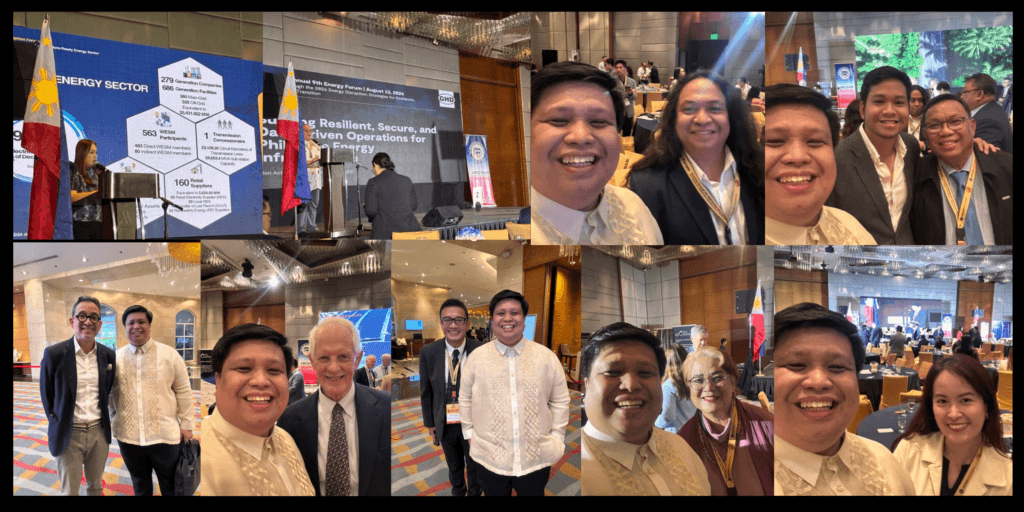
The value of attending the AmCham Energy Forum lies in seeing this evolution firsthand. Technologies will change. Policies will evolve. But the fundamental objective remains the same: building an energy system capable of powering the Philippines’ next stage of growth.
Philippines energy security is not just about electricity—it is about resilience, competitiveness, and the country’s future.
Continue the Conversation
Stay connected and explore more meaningful insights on Lookingglass: https://johnclements.com/the-looking-glass/

