
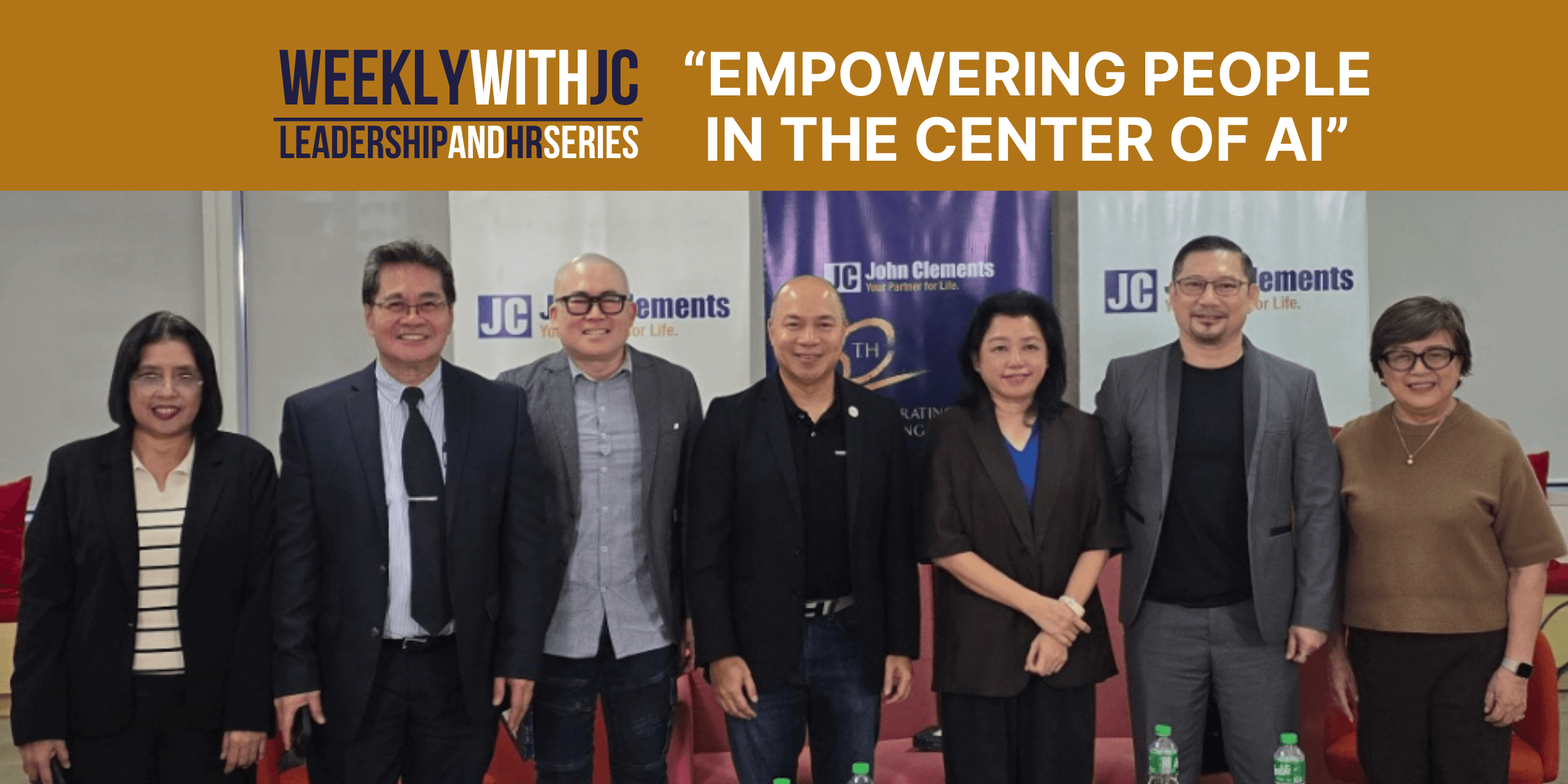
The July 2 edition of Weekly with JC (WWJC) featured a thought-provoking discussion on the transformative role of artificial intelligence (AI) in the modern workplace. Moderator Raymond Ong, together with panelists Rommel Regino, Beng Cortes, and Genick Generoso, shared valuable insights on how organizations can embrace AI as a catalyst for growth while preserving the human qualities that remain essential to success.
Setting the tone for the session, Raymond emphasized that AI and human collaboration should guide every organization’s technology strategy. Rather than replacing people, AI serves as a powerful tool that enhances human potential. He highlighted several principles for successful adoption, including human judgment, responsible governance, trust, scalability, and continuous learning. AI already improves productivity across many industries. However, organizations realize its full value only when they integrate it thoughtfully into existing workflows and support it with clear ethical standards.
Why Human Skills Remain Essential
AI can process vast amounts of data, generate recommendations, and automate repetitive tasks with impressive speed. Consequently, employees can focus on higher-value work that demands creativity, strategic thinking, collaboration, and innovation.
However, technology cannot replace uniquely human strengths such as:
- Empathy
- Emotional intelligence
- Relationship-building
- Critical thinking
- Sound judgment
These qualities remain essential for leadership, decision-making, and building meaningful workplace relationships. Strong AI and human collaboration allow organizations to combine technological efficiency with these critical human capabilities.
Building Trust Through Responsible AI
Governance and Transparency Matter
A central theme of the discussion focused on trust. As organizations continue adopting AI-powered tools, the speakers stressed the need for strong governance frameworks, clear policies, and robust data privacy measures. Transparency and human oversight remain vital to responsible AI implementation.
For additional guidance on digital transformation and data governance, organizations can refer to:
Specifically, while AI can support functions such as data analysis, candidate screening, and hiring recommendations, people must still evaluate leadership potential, cultural fit, and other factors that require experience and discernment. This balanced approach strengthens AI and human collaboration while maintaining organizational trust.
Creating a People-Centered AI Strategy
Empowering Employees Through Technology
The panel discussion expanded on how businesses can integrate AI while remaining people-centered. Rommel stressed that AI should augment human capabilities rather than replace them, especially in areas that require empathy, interpersonal skills, and critical thinking. Technology should empower employees to focus on work that creates greater value and impact.
Furthermore, Beng highlighted the importance of ethical AI practices and effective governance. Organizations need accountability measures and oversight mechanisms to ensure AI systems align with business goals and organizational values. Responsible implementation requires active leadership involvement and a firm commitment to trust and transparency.
Embedding AI Into Organizational Culture
Meanwhile, Genick emphasized the need to make AI part of everyday work culture. He encouraged organizations to move beyond discussions and create opportunities for employees to experiment with AI tools in practical settings. Through continuous learning, hands-on applications, and engaging initiatives, companies can increase confidence and accelerate adoption.
As a result, AI and human collaboration becomes more than a strategy. It becomes a natural part of how people work, learn, and innovate together.
Preparing for the Future of Work
The panelists acknowledged that AI adoption may require initial investments, particularly for small and medium-sized enterprises (SMEs). In contrast to past perceptions, affordable and accessible AI solutions are becoming increasingly available. This trend allows more organizations to participate in digital transformation initiatives.
Beyond business applications, the speakers also highlighted the role of families and communities in promoting responsible technology use. These groups help shape the values and behaviors of future generations who will grow up in an AI-driven world.
Key Lessons from the WWJC Discussion
Organizations can thrive in the future by focusing on:
- Using AI to enhance—not replace—human talent.
- Building trust through governance and transparency.
- Encouraging continuous learning and experimentation.
- Maintaining strong ethical standards.
- Prioritizing creativity, empathy, and leadership skills.
Ultimately, AI and human collaboration represent the most effective path forward. Organizations that combine AI-driven efficiency with human creativity, empathy, and judgment will be better positioned to innovate, adapt, and succeed in a rapidly evolving business landscape.
“The future of work is not about replacing people with AI—it is about empowering people through AI.”
— Key message from the WWJC panel discussion
Key Takeaway
AI reaches its greatest potential when it enhances human capability rather than replacing it. Technology can accelerate productivity and innovation, but people provide the vision, values, and leadership needed to create meaningful impact. By embracing AI and human collaboration, organizations can unlock sustainable growth and long-term success.
Contact Us
Looking to build a future-ready workforce and explore responsible AI adoption within your organization? Contact the John Clements team today to learn how we can help your business navigate transformation and talent development.

