
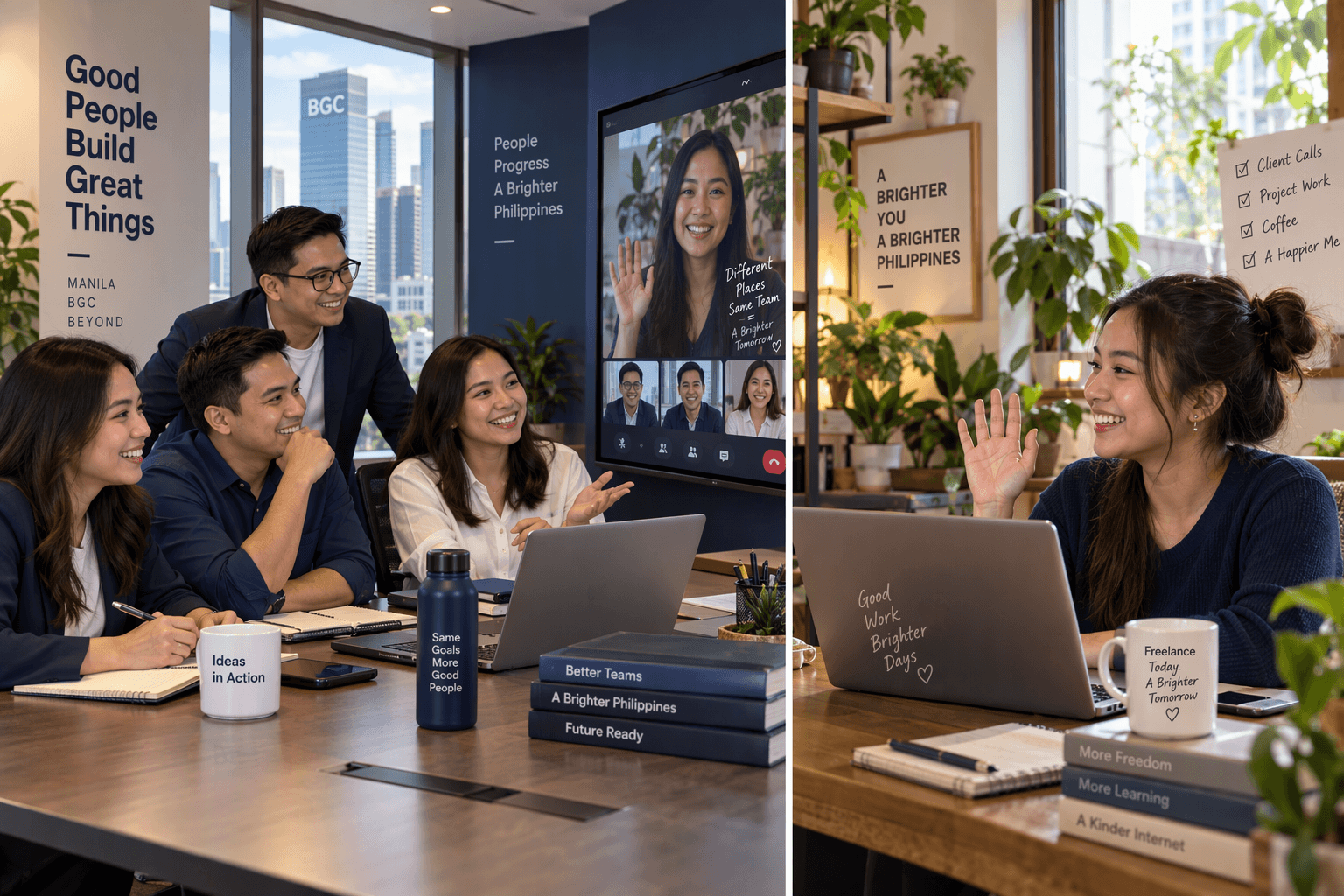
A big project lands on your desk with a six-month deadline. Your team is already stretched thin. Hiring three full-time specialists would take months, and you might not need them once the project ends. So what do you do?
More and more companies answer that question the same way. They bring in non-permanent talent. Contractors, freelancers, consultants, and interim leaders once filled gaps in a pinch. Today, many businesses treat them as a core part of how work gets done.
This guide explains what’s driving the shift, when flexible talent makes sense, how to avoid common pitfalls, and what Philippine employers should keep in mind as they build a more agile workforce.
What Is a Non-Permanent Workforce?
A non-permanent workforce includes anyone who works for your business without an open-ended, regular employment contract. The four most common types differ in how they work and what they bring to the table:
| Type | What They Do | Best For |
| Contractors | Work on a fixed-term or project basis, often through a contracting firm | Projects with a clear start and end date |
| Freelancers | Run their own business and serve several clients at once | Specific tasks like design, writing, or coding |
| Consultants | Bring expert advice to solve a defined business problem | Strategy, transformation, and specialized know-how |
| Interim executives | Step into a senior leadership role for a set period | Leadership gaps, turnarounds, and transitions |
Each type fills a different need. The real skill lies in matching the right model to the right problem.
Why Is Non-Permanent Talent on the Rise?
Three big forces sit behind this shift.
Technology moves fast. New tools appear every year, and companies often need skills they didn’t need a year ago. AI, data analytics, cybersecurity, and cloud projects often call for deep expertise during one phase of work, not forever. A specialist who joins for that phase helps you move quickly without adding permanent headcount.
Workers want more choice. Many professionals now value flexibility over a traditional career ladder. Some senior experts choose contract or consulting work because it lets them pick their projects, set their schedules, and keep learning. For employers, this opens a pool of talent that regular job ads may never reach.
Business conditions keep shifting. Economic uncertainty makes leaders wary of long-term commitments. Flexible talent lets companies scale up when demand rises and scale down when it cools, without the cost and disruption of repeated hiring and layoffs.
In the Philippines, the trend feels especially visible. The country has a large community of skilled freelancers who serve both local and overseas clients. In 2021, Philippine Statistics Authority Labor Force Survey data showed that about 9.9 million Filipinos, or 22% of employed workers, did gig, seasonal, or short-term work. Its IT-BPM sector also relies heavily on project-based and outsourced work. For local employers, flexible talent isn’t a foreign idea. It’s already part of the landscape.
When Should You Use Flexible Talent?
Non-permanent talent works best in specific situations. Consider it when you:
- Have a project with a clear end date. Think system upgrades, product launches, or office moves.
- Need a rare skill for a short time. A data migration specialist or a compliance expert may only need a few months to finish the job.
- Face a sudden spike in demand. Peak season in retail or a large new client in a BPO can stretch your team overnight.
- Lose a key leader unexpectedly. An interim executive can steady the ship while you search for the right permanent hire.
- Want to test a new role. A contract lets you see whether a role delivers value before you commit to it full-time.
That said, permanent hires still make more sense for some roles. Positions that hold long-term company knowledge, shape culture, or manage ongoing client relationships usually benefit from stability.
Pro tip: Before you choose a model, write down what success looks like at the end of the engagement. If you can’t define an end point, you probably need a permanent hire.
Challenges in a Non-Permanent Workforce?
Flexible talent brings real benefits, but it also carries risks. Here are the most common ones and how to handle them.
Compliance and classification. Philippine labor law strongly protects a worker’s security of tenure. If a “contractor” does the same work as your regular staff, under your direct control, for a long stretch, authorities may treat that person as a regular employee. DOLE Department Order No. 174, Series of 2017, sets the rules for legitimate contracting and prohibits labor-only contracting. Work with legal counsel or a reputable, DOLE-registered partner, and check the latest rules before you sign any arrangement.
Visibility. When contractors come in through different managers, departments, and agencies, leaders often lose track of who works for the company, what each person costs, and when contracts end. A single, central record of all non-permanent workers solves much of this problem.
Integration and engagement. Non-permanent workers can feel like outsiders, and that feeling affects both their output and your team’s morale. Give them proper onboarding, clear goals, and access to the tools and people they need. Treat them as part of the team, even if their stay has an end date.
Knowledge loss. When a contractor leaves, their know-how can walk out the door with them. Build a handover plan into every engagement, and pair outside experts with internal staff who can carry the work forward.
How Can Technology Help You Manage It All?
Managing a mixed workforce on spreadsheets gets messy fast. Workforce management tools bring every worker, contract, and invoice into one place. They can flag expiring contracts, track spending against budget, and give leaders a real-time view of who’s doing what. Good data also helps you make smarter choices, such as which roles to turn into permanent positions and which to keep flexible. Many of these tools also support compliance by storing contracts and government requirements in one secure system.
You don’t need the most expensive platform on the market. Start with the basics: one source of truth for every non-permanent worker, clear approval steps, and regular reports on cost and headcount. Whatever system you choose, make sure it follows the Data Privacy Act of 2012, since you’ll handle personal information for every worker you bring in.
Non-Permanent Workforce in 2027
The way companies hire is changing fast, and 2027 will push that change even further. In Deloitte’s 2026 Global Human Capital Trends survey, 7 in 10 business leaders said their main competitive strategy for the next three years is to be fast and nimble. Here are six trends Philippine employers should watch as they plan their workforce for the year ahead.
1. Blended teams will become the default.
Permanent staff, contractors, freelancers, and consultants will work side by side on the same projects, often without anyone noticing who holds which type of contract. The best companies will stop managing these groups in separate silos. Instead, they will build one team around one goal, with shared tools, shared meetings, and shared accountability.
2. Skills will matter more than job titles.
As AI reshapes roles, employers will hire for specific capabilities rather than broad titles. A company may not need a full-time “data scientist,” but it may need someone who can clean a dataset and build a forecast in eight weeks. The World Economic Forum’s Future of Jobs Report 2025 found that employers expect 39% of core job skills to change by 2030. Flexible talent offers one of the fastest ways to fill these precise gaps, and employers who map the skills they need, not just the roles, will move ahead of the pack.
3. Fractional and interim leaders will go mainstream.
Mid-sized companies and growing startups will increasingly bring in senior leaders on a part-time or fixed-term basis. A fractional CFO, CHRO, or CTO gives a business top-level expertise at a fraction of the cost of a full-time executive. For family-owned businesses and fast-growing firms in the Philippines, this model offers a practical way to professionalize without overcommitting.
4. AI will join the workforce mix.
In 2027, workforce plans will cover more than people. Many companies will pair human talent with AI tools that handle routine tasks, which will raise demand for professionals who can set up, manage, and check those tools. Expect short-term specialists to play a big role here, helping teams adopt new technology and then handing the work over to internal staff.
5. Workforce planning will cover everyone.
Deloitte found that 84% of business leaders see leading a mixed workforce as important, yet only 16% feel very ready to do it. Leading companies will stop treating contractors as an afterthought. They will include every type of worker in their headcount plans, budgets, and succession strategies from day one. This full view helps leaders spot risks early, control costs, and decide which roles to keep flexible and which to make permanent.
6. Compliance and worker experience will set companies apart.
As flexible work grows, expect closer attention to how companies classify and treat their non-permanent workers. Employers that keep clean, DOLE-compliant contracts will avoid costly disputes. At the same time, top contractors and consultants will choose clients who offer fair pay, clear terms, timely payment, and a respectful working experience. In a tight talent market, a strong reputation among flexible workers will become a real hiring advantage.
The takeaway is simple: companies that plan for flexible talent now will be ready to compete in 2027. Those that wait may find the best people already working for someone else.
“The greatest danger in times of turbulence is not the turbulence; it is to act with yesterday’s logic.”
— Peter Drucker
Frequently Asked Questions
What is an interim executive?
An interim executive is a seasoned leader who steps into a senior role for a set period. Companies bring them in to fill a sudden vacancy, lead a major change, or steady the business during a transition.
What is the difference between contractors and freelancers?
Contractors usually work on a fixed-term project, often through a contracting firm, and focus on one client at a time. Freelancers run their own business, set their own terms, and often serve several clients at once.
Is it legal to hire non-permanent workers in the Philippines?
Yes, as long as the arrangement follows Philippine labor laws. Legitimate contracting and properly structured fixed-term work are allowed, but labor-only contracting is not. Because the rules can change, check the latest DOLE guidelines or consult a legal professional.
Why should businesses consider non-permanent workers?
They give you speed, specialized skills, and flexibility. You can bring in expertise exactly when you need it, scale your team with demand, and keep long-term costs under control.
Build a Workforce That Bends, Not Breaks
The non-permanent workforce isn’t a passing trend. It’s a smart response to a world that changes faster than traditional hiring can keep up with. When you use contractors, freelancers, consultants, and interim leaders with clear goals, sound compliance, and good management, they help your business move faster and stay resilient.
The key lies in balance. Build a strong permanent core, then add flexible talent where it creates the most value.
Start small. Pick one project or skill gap, try a flexible model, and learn from the results. Track what works, fix what doesn’t, and expand from there. Over time, you’ll build a workforce that bends with change instead of breaking under it.
Ready to build a more agile workforce? Whether you need specialists for a single project or a flexible team that grows with your business, John Clements can help you find the right people. Contact us today to talk through your talent needs.

