

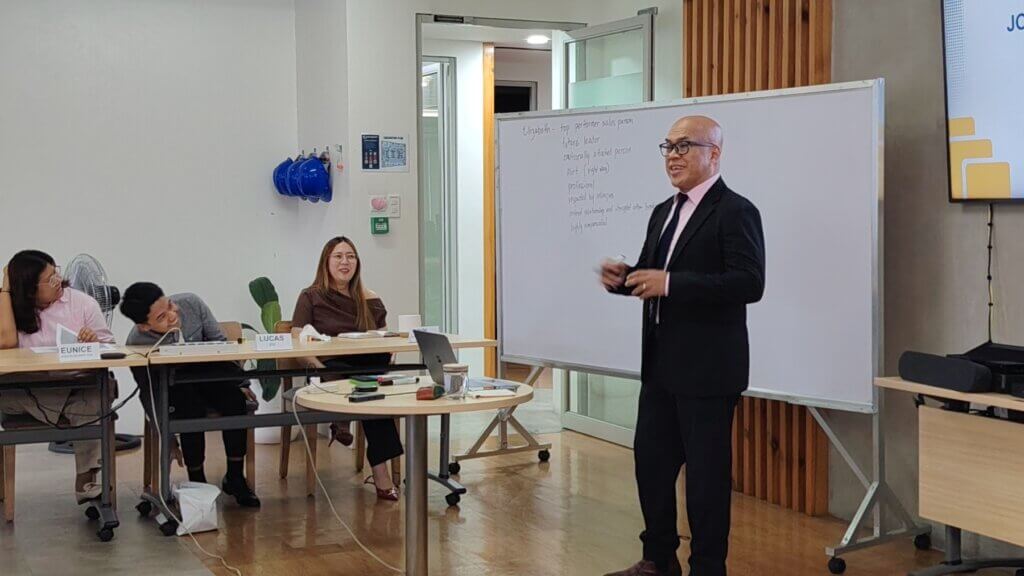
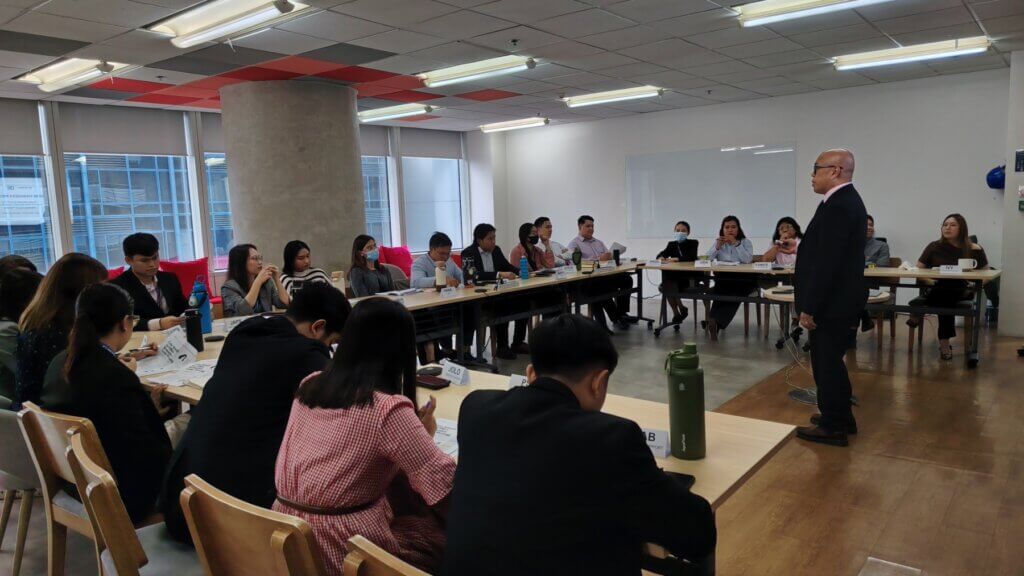
Workplace relationships can be rewarding, but they also introduce challenges that require professionalism, emotional intelligence, and sound judgment. In another New Managers Program session, participants explored the Harvard Business School case study Office Romance Gone Wrong under the guidance of facilitator Dennis Pabelico. The discussion encouraged participants to examine how personal connections can influence workplace dynamics and why leaders must respond with fairness, empathy, and accountability.
Rather than focusing only on the case outcome, the session challenged participants to think critically about the decisions made along the way. Specifically, it highlighted how communication, leadership, and organizational culture can shape the direction of sensitive situations.
Understanding the Human Side of Professional Relationships
Office romances and friendships are common in many organizations. However, challenges arise when personal and professional boundaries intersect. The case study demonstrated that conflicts involving workplace relationships rarely have simple solutions. Leaders must evaluate the facts carefully and consider the impact on everyone involved.
One of the most important takeaways was that every situation is unique. Consequently, leaders cannot depend on a one-size-fits-all approach. Instead, they need to understand:
- The individuals involved
- The organizational context
- The potential impact on team performance
- The long-term effect on workplace culture
Furthermore, successful leaders balance compassion with accountability. They listen actively, assess situations objectively, and make decisions that support both employees and organizational goals.
Why Personalization Leads to Better Outcomes
A major lesson from the discussion centered on the value of personalization. Effective leaders take the time to understand individual concerns, motivations, and circumstances before deciding on a course of action.
Building Trust Through Individualized Leadership
Rather than applying blanket solutions, personalized leadership allows managers to adapt their approach to specific situations. As a result, employees feel respected and understood.
Participants also discussed how personalized leadership strengthens team relationships. Employees are more engaged when leaders recognize their unique experiences instead of treating every issue the same way. In turn, organizations benefit from stronger trust and better collaboration.
How Leaders Handle Challenges Matters Most
Another significant insight from the case was that outcomes often depend on how leaders respond to difficult situations.
Difficult conversations are inevitable. What separates strong leaders from average ones is their ability to respond thoughtfully rather than react emotionally. Clear communication, respect, and professionalism help prevent misunderstandings from becoming larger organizational problems.
Best Practices for Sensitive Situations
Leaders should focus on the following actions:
- Address concerns early.
- Maintain confidentiality.
- Ensure fair and consistent treatment.
- Communicate expectations clearly.
- Document decisions appropriately.
These practices help preserve trust while protecting both employees and the organization.
In addition, participants reflected on how challenging situations can become valuable opportunities for growth when leaders approach them with integrity and care.
The Role of Emotional Intelligence in Leadership
The session also highlighted the importance of emotional intelligence when managing workplace relationships. Leaders who demonstrate empathy, active listening, and self-awareness are often better equipped to navigate sensitive issues.
Emotional intelligence allows leaders to understand different perspectives without compromising fairness. Moreover, it encourages constructive dialogue and helps employees feel heard while keeping conversations focused on solutions.
In today’s professional environment, technical expertise alone is not enough. Strong interpersonal skills play an equally important role in fostering collaboration and maintaining respect across teams.
For additional guidance on respectful and productive workplaces, leaders may refer to:
Building a Culture of Trust and Professionalism
The case study reminded participants that organizational culture influences how employees react to difficult situations. A workplace built on trust, transparency, and respect encourages individuals to raise concerns before they escalate.
Leaders play a critical role in creating this environment. By modeling ethical behavior and communicating expectations clearly, they establish standards that support professionalism throughout the organization.
Creating Long-Term Organizational Success
Organizations can strengthen culture by:
- Promoting ethical leadership
- Encouraging open communication
- Providing leadership development opportunities
- Reinforcing accountability
- Supporting employee well-being
When employees trust leadership, they are more likely to approach challenges responsibly and seek guidance when necessary.
During the session, Dennis Pabelico guided participants through practical reflections on leadership, decision-making, and workplace relationships, encouraging deeper understanding and meaningful discussion.
Turning Workplace Challenges into Leadership Opportunities
The Office Romance Gone Wrong case serves as a powerful reminder that leadership extends beyond policies and procedures. Every workplace challenge involves real people with unique experiences, perspectives, and concerns.
Perhaps the most valuable lesson from the discussion is this: the outcome of a difficult situation often depends less on the issue itself and more on how it is managed. Leaders who communicate with empathy, act fairly, and make thoughtful decisions can transform challenges into opportunities for growth, stronger teams, and lasting organizational trust.
Ultimately, effective leadership requires the ability to navigate workplace relationships with professionalism, consistency, and emotional intelligence. Organizations that develop these leadership capabilities are better positioned to create healthy, productive, and sustainable workplace environments.
To learn more about leadership development programs, professional learning opportunities, and executive education initiatives, visit the John Clements Leadership Institute and discover how continuous learning can help build stronger leaders for the future.

