
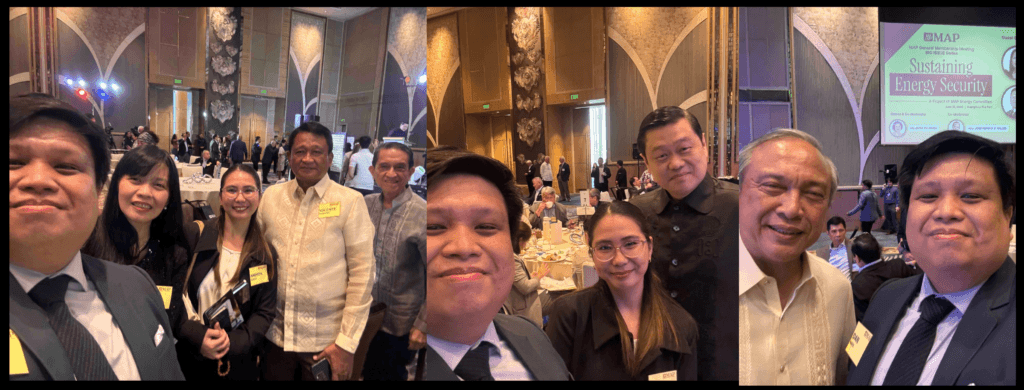
I recently had the opportunity to attend the Management Association of the Philippines (MAP) Big Issue Series on “Sustaining Energy Security” featuring Department of Energy Secretary Sharon Garin. The discussion could not have come at a more relevant time, particularly as energy security Philippines has become a critical national issue amid geopolitical tensions in the Middle East, rising energy demand, and the accelerating global energy transition.
One statement from Secretary Garin stood out to me: “Energy security is the foundation upon which national ambition stands or collapses.” It was a powerful reminder that energy is not merely a utility or commodity. It is a strategic enabler of economic growth, national resilience, and social stability.

Why Energy Security Matters
The Philippines remains structurally vulnerable. More than half of the country’s energy supply comes from imports, making the nation highly sensitive to global market disruptions. Consequently, any interruption in supply chains or geopolitical conflict can lead to higher fuel prices, increased transportation costs, inflation, and a higher cost of living for Filipino families.
This reality makes energy security Philippines an issue that extends far beyond the energy sector. When fuel prices rise:
- Farmers face higher operating expenses.
- Logistics providers increase transportation charges.
- Hospitals absorb larger energy bills.
- Consumers pay more for everyday goods and services.
Every sector feels the impact. No one is spared.
For reference, official energy policies and initiatives can be found at:
Building a More Resilient Energy Mix
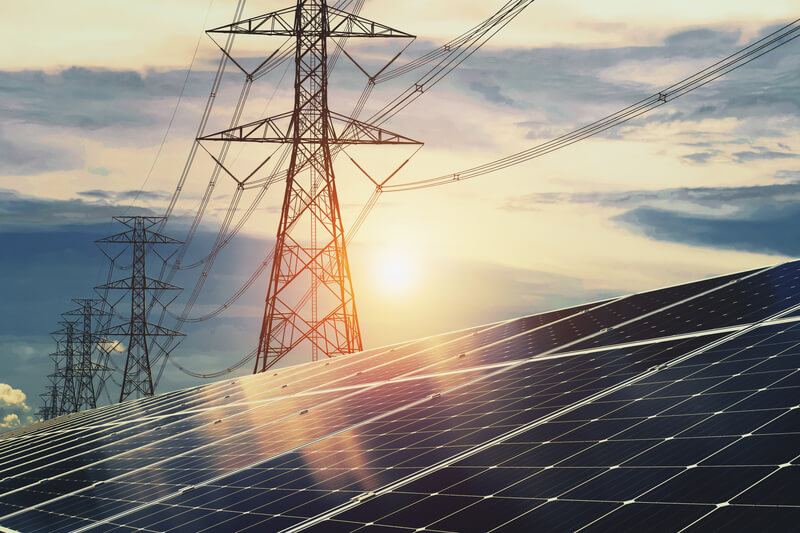
I found the discussion on renewable energy particularly encouraging. The government’s plans to expand renewable capacity through the Green Energy Auction Program demonstrate a serious commitment to reducing dependence on imported fuels.
Renewable Energy as a Strategic Priority
The planned expansion of the following technologies shows a diversified approach:
- Offshore wind
- Solar power
- Biomass energy
- Waste-to-energy facilities
Rather than relying on a single solution, policymakers recognize that a balanced energy portfolio is essential for long-term resilience. Furthermore, a diversified mix reduces exposure to fuel price volatility and strengthens overall system reliability.
This approach directly supports energy security Philippines by creating more domestic energy sources and reducing import dependence.
Additional information on renewable energy policies is available at:
https://doe.gov.ph/site/remb
Modernizing the Grid for Future Demand
Another important takeaway was the role of energy storage and grid modernization. As renewable energy adoption increases, maintaining grid stability becomes more complex.
The Role of Infrastructure Investment
Investments in the following areas will be critical:
- Battery Energy Storage Systems (BESS)
- Smart grid technologies
- Transmission network upgrades
- Digital energy management systems
Specifically, these investments help ensure that renewable power remains reliable even when generation fluctuates due to weather conditions.
Strong infrastructure is a core pillar of energy security Philippines because generation alone is not enough. The energy must also reach homes, businesses, and industries efficiently and consistently.
Balancing Affordability, Reliability, and Sustainability
The discussion also highlighted a reality that is often overlooked. Energy transition comes with costs.
Cleaner technologies do not automatically result in lower electricity prices. Policymakers must balance three key objectives:
- Affordability
- Reliability
- Sustainability
This challenge is especially difficult in the Philippines. With more than 7,000 islands, building and connecting energy infrastructure is significantly more complex than in many neighboring countries.
In contrast to countries with large contiguous land masses, the Philippines must develop energy systems across multiple geographic regions while maintaining reliability and affordability.
Natural Gas and the Energy Transition
During the Q&A session, Secretary Garin emphasized the importance of natural gas as a transition fuel.
While renewable energy will continue to grow, natural gas provides flexibility that helps address fluctuations in supply and demand. It also supports grid stability during periods when renewable generation is unavailable.
This pragmatic approach recognizes that the transition to cleaner energy must be carefully managed. Otherwise, supply reliability could suffer.
Recent yellow and red alerts have shown that energy security Philippines is not simply about having enough installed capacity. It is about maintaining a power system that can respond quickly to changing conditions, unexpected disruptions, and future demand growth.
Shared Responsibility for Long-Term Success
My biggest takeaway from the event is that energy security Philippines should not be viewed solely as a government concern. It is a shared responsibility among:
- Policymakers
- Regulators
- Energy providers
- Investors
- Businesses
- Consumers
The decisions we make today regarding infrastructure, technology adoption, and energy efficiency will have lasting implications for the country’s competitiveness and economic growth.
As citizens, we must remain vigilant. We should support sound energy policies while holding institutions accountable for the effective implementation of projects and programs. Transparency, execution, and long-term planning will determine whether the country achieves a secure and sustainable energy future.
Conclusion
The path forward requires collaboration, investment, and disciplined execution. Achieving energy security Philippines is not only about keeping the lights on. It is about safeguarding economic growth, strengthening national resilience, and improving the quality of life for future generations.
To learn more about how strategic workforce solutions can support organizations navigating critical industry transitions, visit our Contact Us page: https://www.johnclements.com/contact-us/

