
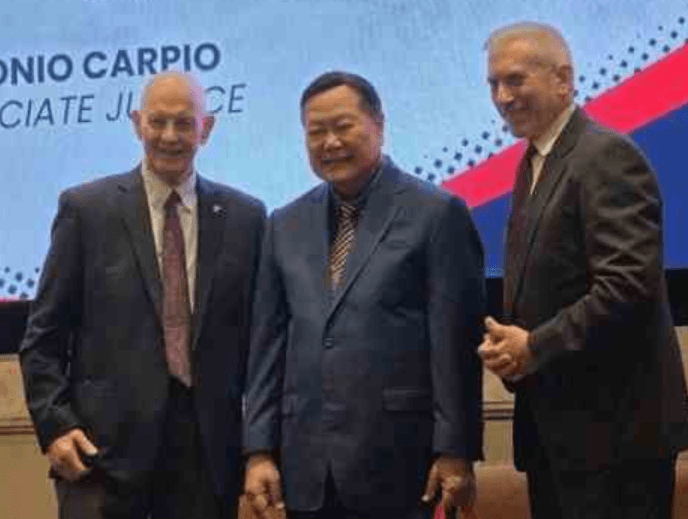
Last March 18, 2026, I attended an AMCHAM forum at the Sheraton Manila Hotel featuring former Associate Justice Antonio Carpio. His lecture examined how international law evolved to protect maritime sovereignty, with a sharp focus on current challenges facing the West Philippine Sea.
Consequently, the discussion framed maritime disputes not as abstract legal issues, but as real tests of whether rules—or raw power—shape relations between states.
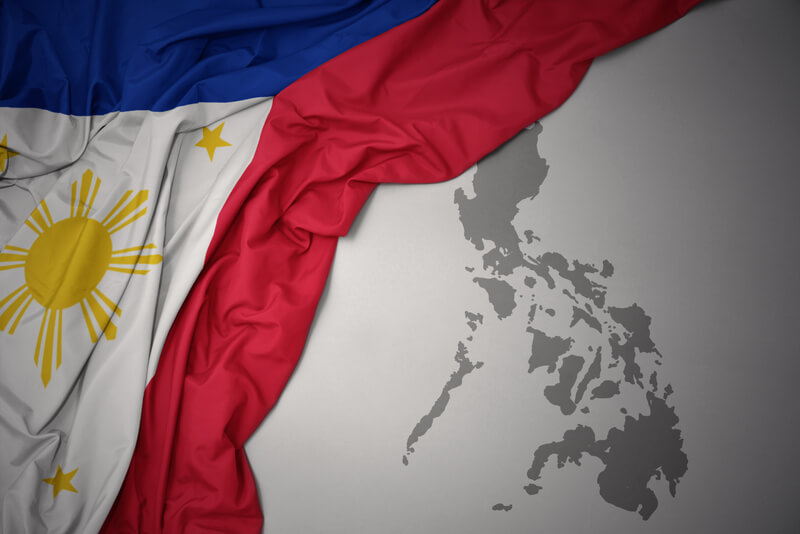
The Rise of a Rules-Based International Order
Justice Carpio traced the foundations of modern international law. Before 1945, global affairs followed a harsh rule: power dictated outcomes. Two world wars exposed the dangers of that mindset.
Specifically, the adoption of the United Nations Charter in 1945 marked a turning point. It enshrined two core principles:
- Disputes must be resolved peacefully
- The threat or use of force is prohibited
These rules were designed to shield smaller nations and preserve sovereignty. However, enforcement remains uneven. Contemporary conflicts—from Eastern Europe to the Middle East—show how legal norms can be ignored when global power politics intervene.
Authoritative references:
- https://www.un.org/en/about-us/un-charter
- https://legal.un.org/riaa/cases/vol_XXXIII/1-152.pdf
Historical Evidence and Maritime Entitlements
The Philippines’ claims over maritime zones in the West Philippine Sea rest on strong historical and legal foundations. Justice Carpio highlighted centuries-old maps, including the Murillo Velarde Map and Spanish-era hydrographic records, which clearly place key features within Philippine territory.
In contrast, Chinese imperial maps never extended beyond Hainan Island. Modern claims only appeared in the mid-20th century, contradicting earlier cartographic and legal evidence.
Furthermore, treaties such as the 1898 Treaty of Paris and the 1900 Treaty of Washington reinforce defined territorial limits recognized by international law.
Why the Maritime Zone Matters Economically
Beyond legal doctrine, the West Philippine Sea carries enormous economic weight. Its exclusive economic zone is larger than the Philippines’ land area and provides:
- Fisheries sustaining millions of livelihoods
- Proven and potential oil and gas reserves
- Significant methane hydrate deposits
In contrast to purely symbolic disputes, these resources underpin food security, energy independence, and long-term development. Control over such assets also affects regional power balances.
A Strategic and Diplomatic Response
To protect its interests in the West Philippine Sea, the Philippines follows a deliberate, multi-layered approach.
Justice Carpio emphasized several priorities:
- Filing consistent diplomatic protests to prevent legal acquiescence
- Strengthening public education on maritime history and law
- Building alliances with like-minded states
- Protecting uninhabited features and undersea infrastructure
Additionally, asserting extended continental shelf claims aligns national policy with international legal avenues rather than coercive action.
These measures reflect a clear strategy: law first, force last.
References:
Law, Vigilance, and National Responsibility
Ultimately, the West Philippine Sea dispute illustrates both the fragility and necessity of a rules-based global system. Legal victories alone are not enough. They require sustained diplomacy, public understanding, and strategic partnerships to remain effective.
As Justice Carpio concluded, defending maritime rights is not optional. It is a legal obligation and a national security imperative—one that demands informed and active citizenship.
Take the Conversation Further
If your organization is navigating geopolitical risk, leadership alignment, or strategic workforce challenges shaped by regional developments, John Clements can help.
Connect with us at https://www.johnclements.com/contact-us/

