
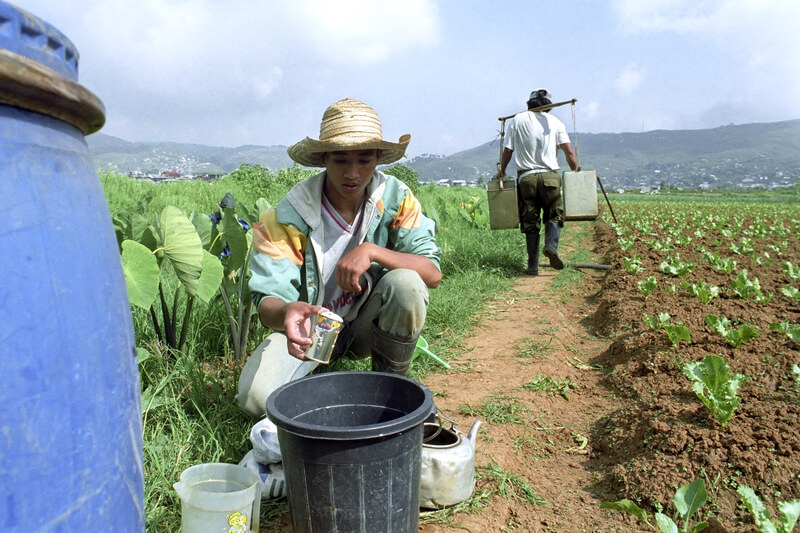
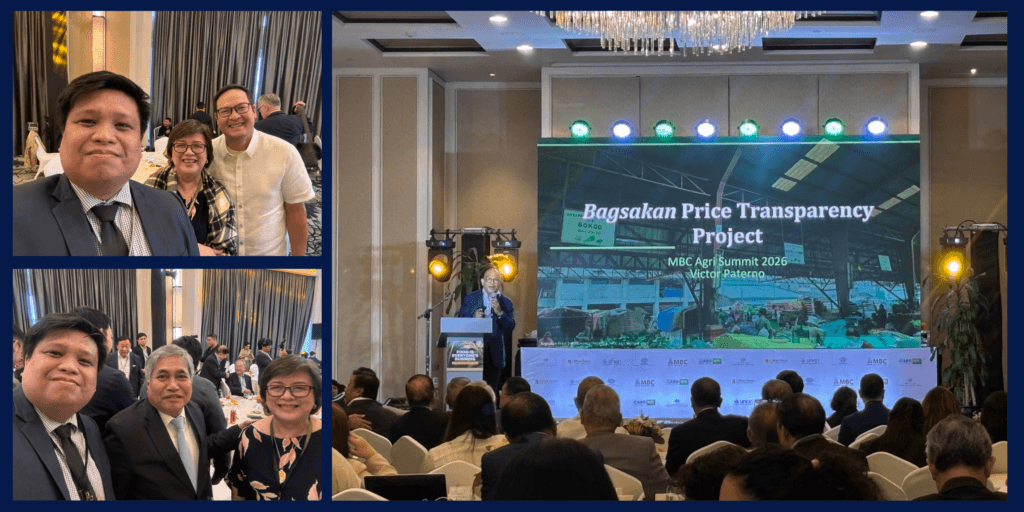
I attended the MBC Agriculture and Food Security Summit last March 17, a timely forum that gathered leaders from government, business, and development organizations. The focus was direct and urgent: how Philippine agriculture reform can bridge the growing gap between rising food prices and declining farmer incomes.
The conversations were practical, data-driven, and grounded in execution. More importantly, they offered clear signals on where reforms must focus—and why incremental, system-wide change matters.
The Core Paradox: High Prices, Low Farm Incomes
Throughout the summit, speakers returned to a troubling contradiction. Filipino consumers face high food prices, yet farmers struggle to earn sustainable incomes.
Specifically:
- Agriculture contributes less than 10% of GDP
- Yet it employs over 20% of the national workforce
This imbalance exposes a structural issue that productivity gains alone cannot address. Consequently, Philippine agriculture reform must target the entire value chain—from inputs and logistics to pricing and market access—rather than isolated production fixes.
Source: https://psa.gov.ph
Source: https://data.worldbank.org/indicator/SL.AGR.EMPL.ZS?locations=PH [data.worldbank.org]
Scaling Solutions: Why Execution Matters More Than Ideas
One of the most insightful panels focused on scaling agricultural models. Many pilot programs already work. The real challenge lies in expanding them nationwide.
Common barriers include:
- Fragmented farmer groups
- Weak coordination between agencies
- Inconsistent policy support
In contrast to innovation-heavy discussions, speakers emphasized execution. In the Philippines, successful Philippine agriculture reform depends less on new ideas and more on disciplined implementation at scale.
Price Transparency in “Bagsakan” Markets
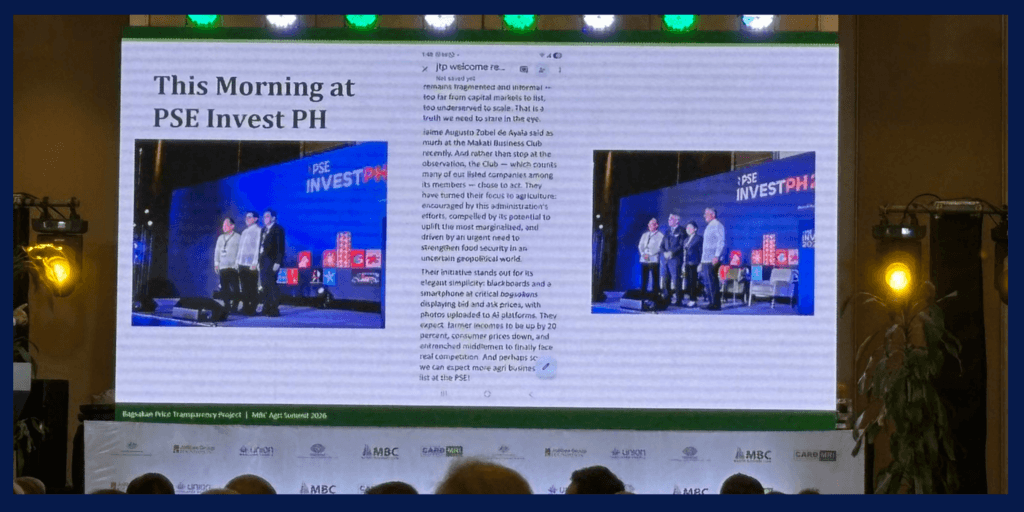
A standout session featured Jose Victor Paterno of 7‑Eleven Philippines. He discussed price transparency in bagsakan (wholesale) markets.
His message was simple: Markets fail when price information remains hidden.
Currently:
- Many wholesale markets lack visible price boards
- Timely price data remains inaccessible to farmers and buyers
- Transparency initiatives often face resistance
Specifically, pilot programs—developed with LGUs and national agencies—can correct these inefficiencies without disrupting existing systems. This approach offers a concrete step toward Philippine agriculture reform that benefits both farmers and consumers.
Source: https://www.da.gov.ph/price-monitoring/
Source: http://www.bantaypresyo.da.gov.ph/ [da.gov.ph] [Department…rice Watch]
Data as the Missing Layer in Agriculture
Across multiple sessions, one insight stood out. Data remains the weakest link in Philippine agriculture.
Gaps persist in:
- Market pricing
- Supply forecasting
- Crop logistics
- Regional production planning
Furthermore, technology alone will not fix this problem. Adoption requires trust. Farmers, traders, regulators, and private firms must align on shared data standards for Philippine agriculture reform to take hold.
Building Ecosystems, Not Silos
Agriculture does not improve in isolation. Real progress requires strong ecosystems.
Speakers highlighted five interconnected pillars:
- Financing
- Logistics
- Education and skills
- Infrastructure
- Policy consistency
Public‑private collaboration emerged as a recurring theme. When government provides scale and direction—and the private sector delivers efficiency—Philippine agriculture reform becomes both achievable and durable.
Why These Lessons Matter Beyond Agriculture

On a personal level, the summit reinforced themes familiar in technology and business transformation. Systems thinking matters. Data enables trust. Coordination drives scale.
Whether in agriculture, enterprise sales, or digital transformation, results improve when fragmented systems connect around shared outcomes.
That principle applies directly to agriculture. And it explains why reform must be coordinated, not fragmented.
Practical Reform, Not Silver Bullets
What set the MBC summit apart was its practicality. Discussions avoided abstract theories and focused on what already works.
The consensus was clear. Solving agriculture in the Philippines will not come from a single breakthrough. Instead, it will come from consistent, coordinated, and measurable improvements across the value chain—exactly what Philippine agriculture reform now demands.
Partner with John Clements to Drive Systemic Change
John Clements specializes in helping organizations navigate complex transformations—connecting strategy, data, leadership, and execution. As the challenges highlighted in agriculture show, sustainable reform depends on aligned stakeholders, strong governance, and scalable systems.
If your institution is tackling sector-wide change, workforce transformation, or data-led strategy, our consultants are ready to support you.
You can reach us at https://www.johnclements.com/contact-us/
Follow John Clements on LinkedIn and other social platforms for insights on leadership, transformation, and building systems that scale.

