
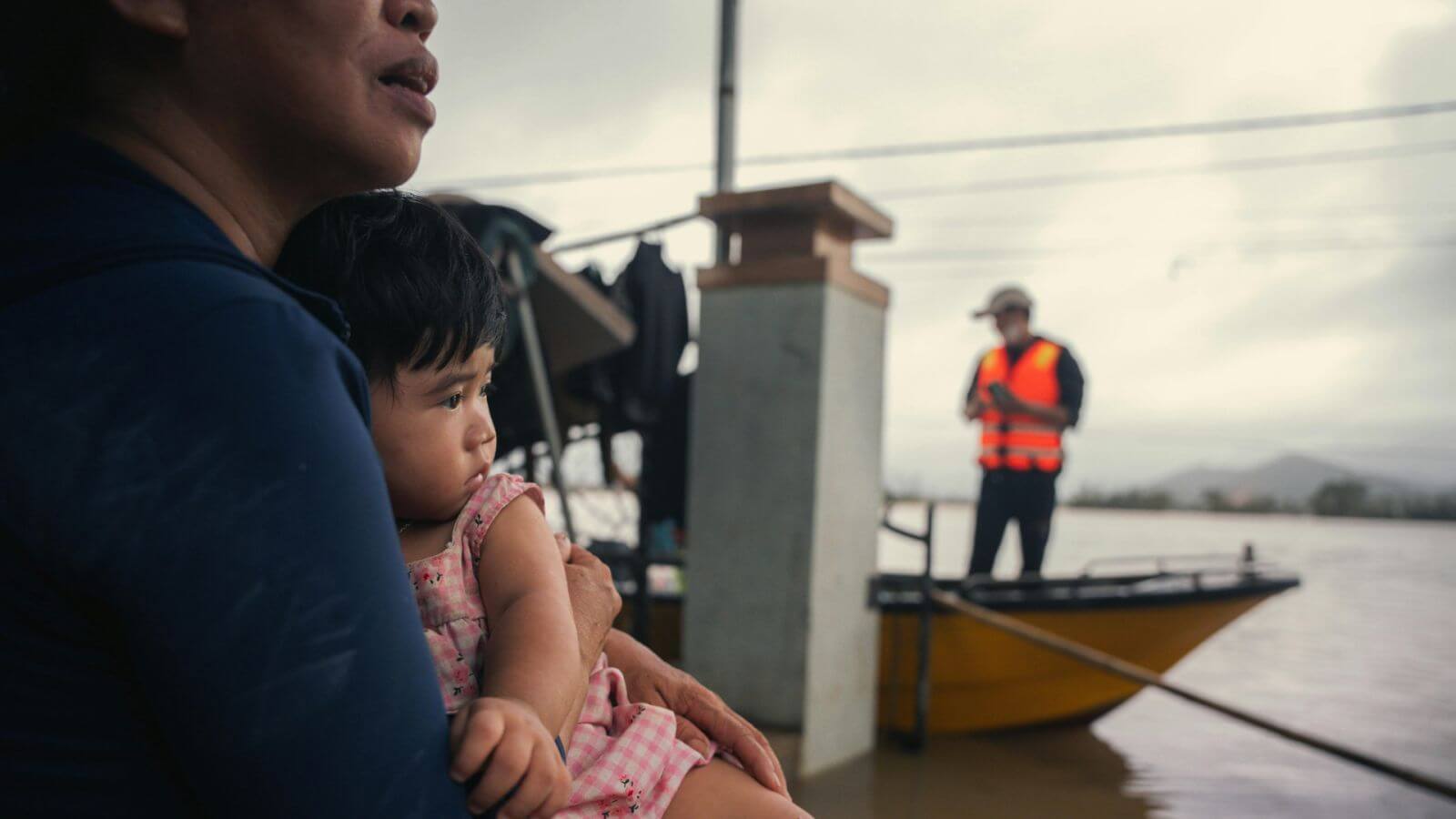
I recently attended the Management Association of the Philippines (MAP) General Membership Meeting entitled Building and Sustaining National Resilience, where National Security Adviser Secretary Eduardo Oban Jr. delivered the keynote. The discussion pushed me to rethink resilience. It is no longer just about endurance. It is about systems, foresight, and urgency.
We often describe Filipinos as resilient, especially when facing hardship. However, that definition feels incomplete. True resilience means reducing vulnerability, not simply surviving disruption. This shift is central to understanding Philippine resilience in today’s complex risk environment.
A Nation Facing Interconnected Risks
The Philippines faces a unique convergence of threats:
- Natural disasters such as typhoons, earthquakes, and volcanic eruptions
- Economic pressures tied to global price fluctuations
- Geopolitical and energy security challenges
In contrast to isolated risks, these issues overlap and amplify one another. The result is what experts often call a “perfect storm.”
For reference, national disaster risk data can be explored at: https://www.ndrrmc.gov.ph/
One clear example is the impact of El Niño. Reduced agricultural output increases food prices. Meanwhile, frequent typhoons disrupt livelihoods, especially for daily wage earners. Consequently, these risks move beyond theory and become deeply personal. This is where Philippine resilience must evolve—from reactive to proactive.
A Broader View of Security
Secretary Oban emphasized a comprehensive security approach. It integrates:
- Economic stability
- Technological advancement
- Societal preparedness
Cybersecurity stood out as a growing concern. A cyberattack on critical infrastructure could trigger cascading failures across power, banking, and healthcare systems. Specifically, this highlights how modern threats extend beyond physical disasters.
You can explore national cybersecurity priorities here: https://dict.gov.ph/
This broader framework reinforces that Philippine resilience depends on protecting both physical and digital systems.
Preparedness at Every Level
A consistent message from the session was clear: preparedness must exist everywhere.
National Level
-
- Strengthen policies and governance frameworks
- Invest in resilient infrastructure
- Improve inter-agency coordination
Community Level
-
- Identify individuals with critical skills
- Maintain access to emergency supplies
- Promote digital literacy
Personal Level
Preparedness starts at home. Simple actions matter:
-
- Prepare a “go bag”
- Secure important documents
- Establish clear emergency plans
These steps may seem basic. However, the first 24 hours of a crisis are often decisive. In many cases, they determine survival. Therefore, strengthening Philippine resilience begins with individual accountability.
Sustainability and Science-Based Action
Another key insight focused on environmental sustainability. It plays a critical role in long-term resilience.
Important initiatives include:
- Proper waste management
- Community clean-up programs
- Data-driven flood control systems
Further information on environmental programs is available at: https://www.denr.gov.ph/
Small actions create large outcomes when communities act together. Furthermore, science-based policymaking ensures that solutions remain effective and scalable. These efforts directly support Philippine resilience by addressing root causes, not just symptoms.
Moving from Endurance to Readiness
What resonated most with me was the idea that resilience requires discipline, coordination, and shared responsibility. It cannot rely on institutions alone.
Instead, it demands:
- Active participation from individuals
- Commitment from organizations
- Coordination across communities
Short-term endurance is not enough. Long-term readiness is essential. When people adopt a preparedness mindset, the nation becomes stronger as a whole. Ultimately, Philippine resilience reflects collective action—not isolated effort.
Take the Next Step
Building resilience is not a one-time task. It is an ongoing commitment. If your organization is ready to strengthen its workforce and future-proof its operations, expert guidance can make the difference.
Connect with us today: https://www.johnclements.com/contact-us/

