
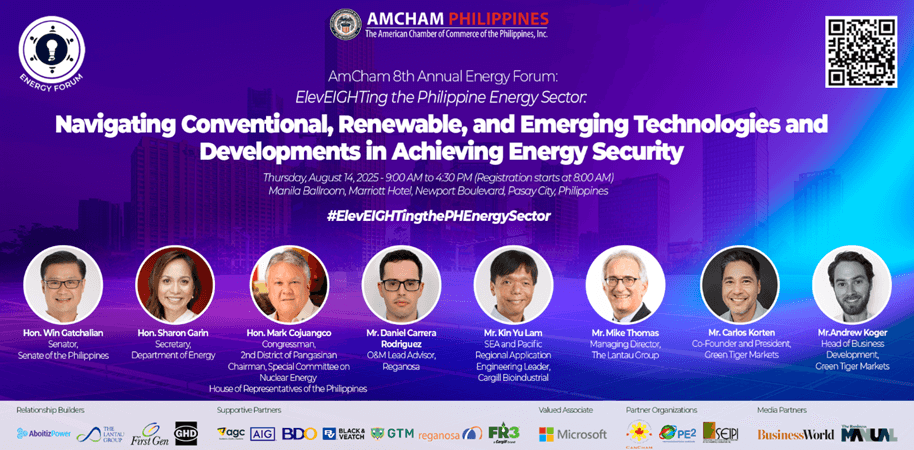
Powering the Future: The 8th AmCham Energy Forum
On August 13, 2025, the Marriott Hotel in Manila hosted a pivotal gathering of the country’s most influential voices in energy policy, business, and technology. Organized by the American Chamber of Commerce of the Philippines (AmCham), the 8th Energy Forum underscored the urgency of energy security, sustainability, and affordability—no longer abstract ideals, but national imperatives demanding immediate action.
Opening Remarks: A Call for Collective Action
AmCham Executive Director Ebb Hinchcliffe opened the morning with candid and compelling remarks. He emphasized that energy challenges affect every sector of society—from households grappling with rising costs to businesses facing global competition. His message was clear: the Philippines cannot afford inertia in its energy transition. More than a policy dialogue, the forum aimed to build bridges between government, industry, and communities to secure a resilient energy future.
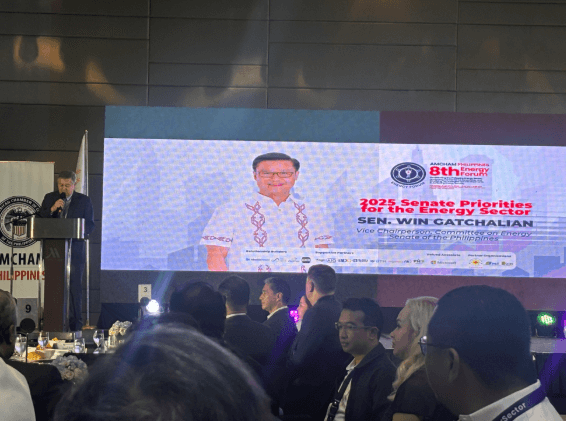
Senator Win Gatchalian: Advancing the 3S Legislative Agenda
The first keynote speaker, Senator Win Gatchalian, brought clarity and conviction to the energy policy conversation. Although no longer chair of the Senate Energy Committee, he remains a leading advocate for reform.
He presented his legislative framework anchored on the “3S” agenda:
- Savings: Lowering electricity costs is a top priority, as Filipino households and industries continue to bear some of the highest rates in Asia.
- Sustainability: Transitioning to cleaner energy sources is essential, driven by climate change and international commitments.
- Security: Diversifying the energy mix—particularly through natural gas and LNG—is crucial to reducing dependence on imported coal and oil.
In addition to policy, Gatchalian warned of external threats. He cited volatile global fuel prices and the growing influence of online gambling as distractions from national priorities. He urged governance that places the country’s interests front and center.
Hon. Sharon Garin: DOE’s Strategic Priorities
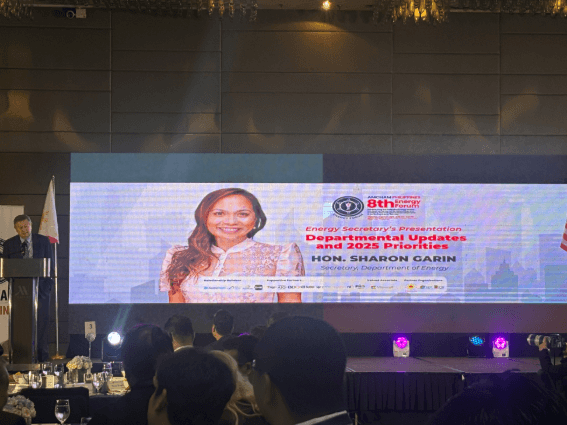
Next, Hon. Sharon Garin, Secretary of the Department of Energy (DOE), delivered a data-rich presentation outlining the current energy landscape:
- 45% of the Philippines’ energy supply is locally sourced; 55% is imported.
- Total energy consumption has reached 69 million tons of oil equivalent.
- The energy mix is led by coal (35.7%), followed by oil (29.5%) and natural gas (4%).
While coal remains dominant, Garin emphasized the DOE’s commitment to accelerating renewable energy integration and securing natural gas supply. She highlighted infrastructure development, regional interconnections, and private investment incentives as key pillars of the DOE’s strategy. Ultimately, the goal is to build an energy sector that is stable, cleaner, and future-ready.
Industry Panel: Navigating Transition and Security
The forum transitioned into a dynamic panel discussion moderated by Frank Thiel, President of Quezon Power. Leaders from both local and international energy firms shared insights on the sector’s challenges and opportunities:
- Don Paulino (Aboitiz Power) stressed the importance of a just transition, ensuring fossil fuel-dependent communities are not left behind.
- Joel Tarongoy (Shell Energy Philippines) highlighted the role of flexible supply contracts and global partnerships in market stability.
- Daniel Rodriguez (Reganosa) discussed LNG infrastructure, emphasizing integration and operational efficiency.
- Noel Felicia (SKL Liguasan Oil and Gas) advocated for tapping indigenous resources to reduce import reliance.
- Yatin Premchand (Black & Veatch) offered a global perspective, underscoring technology adoption, carbon capture, and diversified investments.
The discussion was candid yet optimistic. Panelists agreed that achieving energy security requires both urgency and equilibrium—accelerating renewable adoption while maintaining reliable baseload capacity.
Key Takeaways: Toward a Balanced Energy Future
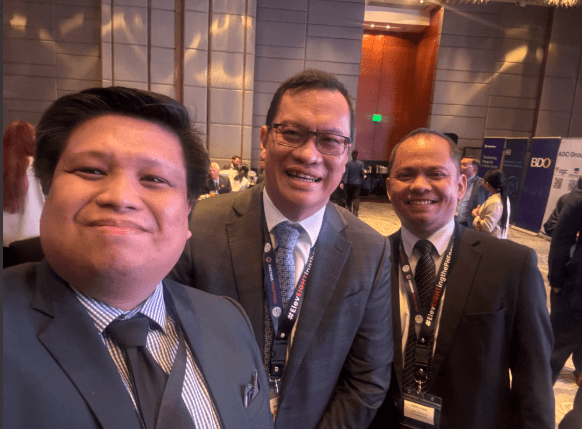
The 8th AmCham Energy Forum was more than a policy exchange—it was a reality check. Senator Gatchalian provided a legislative lens through his 3S agenda. Secretary Garin grounded the conversation in data and strategic priorities. The panel brought these ideas to life, illustrating how global trends, local realities, and business strategies converge in the energy space.
The overarching insight? The Philippines stands at an inflection point. Energy transition is not solely a technological shift—it demands inclusive governance, strategic investment, and societal engagement. The nation’s energy future hinges on its ability to balance affordability, sustainability, and security.
As the morning sessions concluded, one truth emerged: the conversations at Marriott weren’t just about megawatts and fuel types. They were about shaping the foundation for national resilience, economic competitiveness, and the everyday well-being of millions of Filipinos.
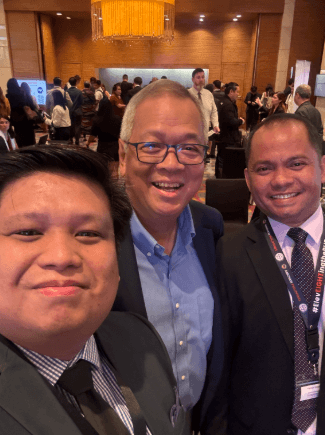
Powering Careers and Businesses in the Philippine Energy Sector
As the AmCham Energy Forum revealed, the Philippine energy sector is entering a transformative era—driven by innovation, sustainability, and resilience. At John Clements Consultants, we are proud to support this evolution by connecting top talent with organizations that are shaping the nation’s energy future.
Join the momentum. Reach out to us and discover how we can help you find the right people—or the right career—in this vital industry.

