
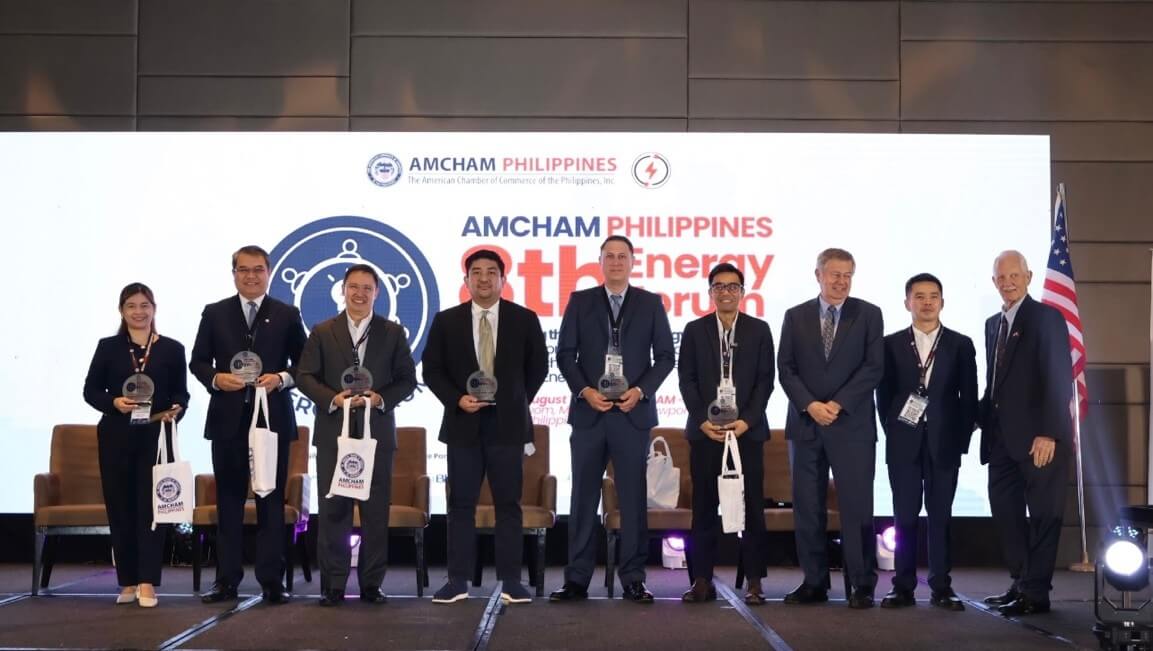
On August 14, 2025, I had the privilege of attending the 8th Energy Forum hosted by the American Chamber of Commerce of the Philippines (AMCHAM) at the Marriott Hotel, Manila. The event convened influential voices from government, industry, and academia to explore the future of energy in the Philippines—a future driven by innovation, sustainability, and strategic collaboration.
Setting the Stage: A Vision for Energy Reform
Senator Sherwin “Win” Gatchalian, Vice Chairperson of the Senate Committee on Energy, opened the forum with a keynote that outlined the Senate’s 2025 priorities. His 3S Framework—Security, Savings, and Sustainability—provided a clear roadmap for reform.
- Security: Strengthening energy independence and reliability
- Savings: Making energy more affordable for Filipino households and businesses
- Sustainability: Accelerating the shift to clean and renewable sources
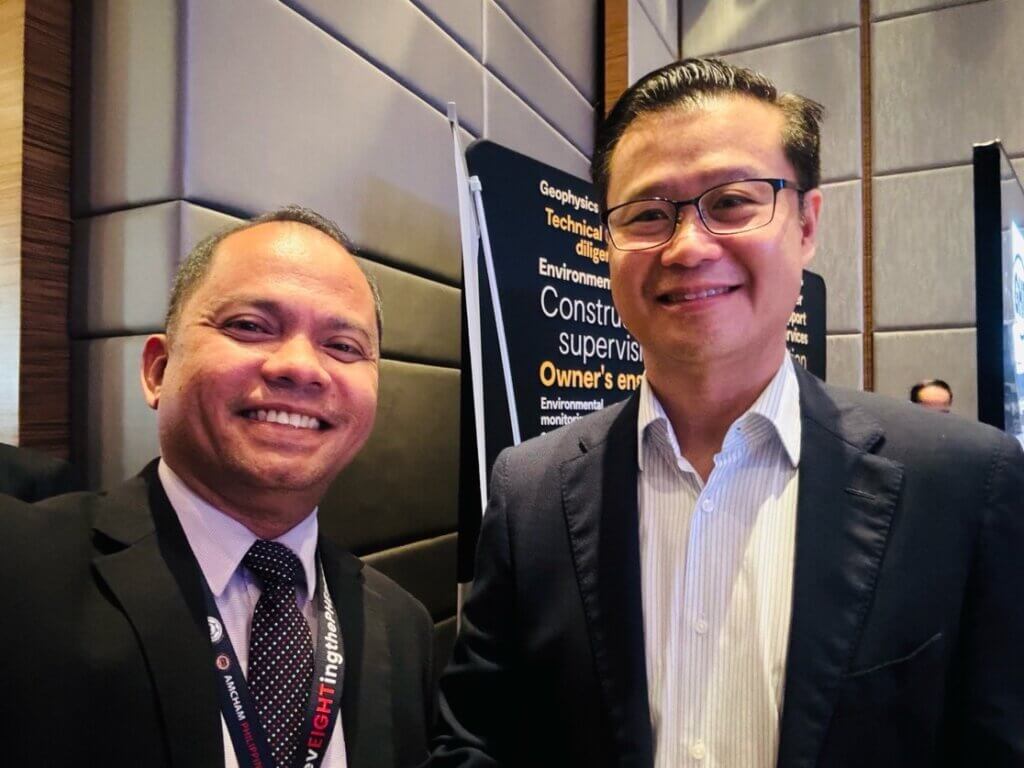
He stressed the urgency of modernizing the grid, diversifying the energy mix, and enhancing resilience through public-private partnerships. His message struck a balance between pragmatism and optimism: the Philippines must act decisively to secure its energy future.
Renewable Energy: Promise and Pressure
The second panel delved into the evolving landscape of renewable energy (RE). It was a dynamic exchange that highlighted both momentum and friction in the country’s energy transition.
Panelists from Meralco, ACEN, Excell Energy, EGCO, and FirstGen shared insights on preferred technologies such as solar, geothermal, and hydro. They also examined the role of battery storage and grid decentralization in supporting intermittent sources.
Key themes emerged:
- The growing dominance of solar energy
- Decentralized systems as a solution to land use constraints
- Community engagement and base load reliability
- Nuclear energy’s potential as a long-term complement
Although optimism prevailed, panelists acknowledged persistent challenges—permitting delays, financing gaps, and infrastructure limitations. Nevertheless, the outlook remains encouraging. Over the next five to ten years, renewables are expected to dominate the energy mix, smart grids will become standard, and private sector participation will intensify.
Unlocking the Atom: Nuclear Energy’s Role
In a special session, Hon. Mark Cojuangco, Chairman of the Special Committee on Nuclear Energy, made a compelling case for nuclear power as a cornerstone of long-term energy security. With electricity demand projected to triple by 2040 and the Malampaya gas field nearing depletion, nuclear energy is emerging as a viable alternative.
He spotlighted the structural integrity of the Bataan Nuclear Power Plant (BNPP), completed in 1984, and ongoing feasibility studies led by Korea Hydro & Nuclear Power. Small Modular Reactors (SMRs) also featured prominently as scalable, low-emission solutions.
Cojuangco’s advocacy emphasized:
- Nuclear’s safety, reliability, and cost-effectiveness
- The practicality of refurbishing BNPP versus building new plants
- A balanced energy mix that includes both solar and nuclear
- The need for legislation, public education, and community engagement
This session underscored that nuclear energy is not merely a technical fix—it’s a strategic imperative. Its success, however, hinges on public trust and regulatory readiness.
Innovation and Collaboration: The Next Frontier
The final panel explored how emerging technologies, financial innovations, and academic collaboration are reshaping the energy sector. It was a forward-looking conversation that bridged policy, education, and investment.
Panelists from DOST-PNRI, Green Tiger Markets, BDO Capital, Climargy Inc., and MAPUA University tackled pressing questions: What innovations will accelerate RE adoption? What reforms can build investor confidence? How can academia, industry, and government collaborate more effectively?
Highlights included:
- Advocacy for SMRs and critiques of the 80/20 government-private model
- Financial hedging and incentives for off-peak storage
- Calls to streamline rooftop solar financing
- Proposals for super ESCOs and energy-as-a-service platforms
- AI-infused engineering curricula and nuclear education programs
The message was clear: the future of energy in the Philippines will be shaped not only by technology but by how well we educate, finance, and collaborate.
Key Takeaway: A Shared Commitment to Progress
The AMCHAM 8th Energy Forum was more than a series of panels—it was a convergence of vision, urgency, and possibility. It reaffirmed that the Philippines is not simply reacting to global energy trends; it is actively shaping its own path.
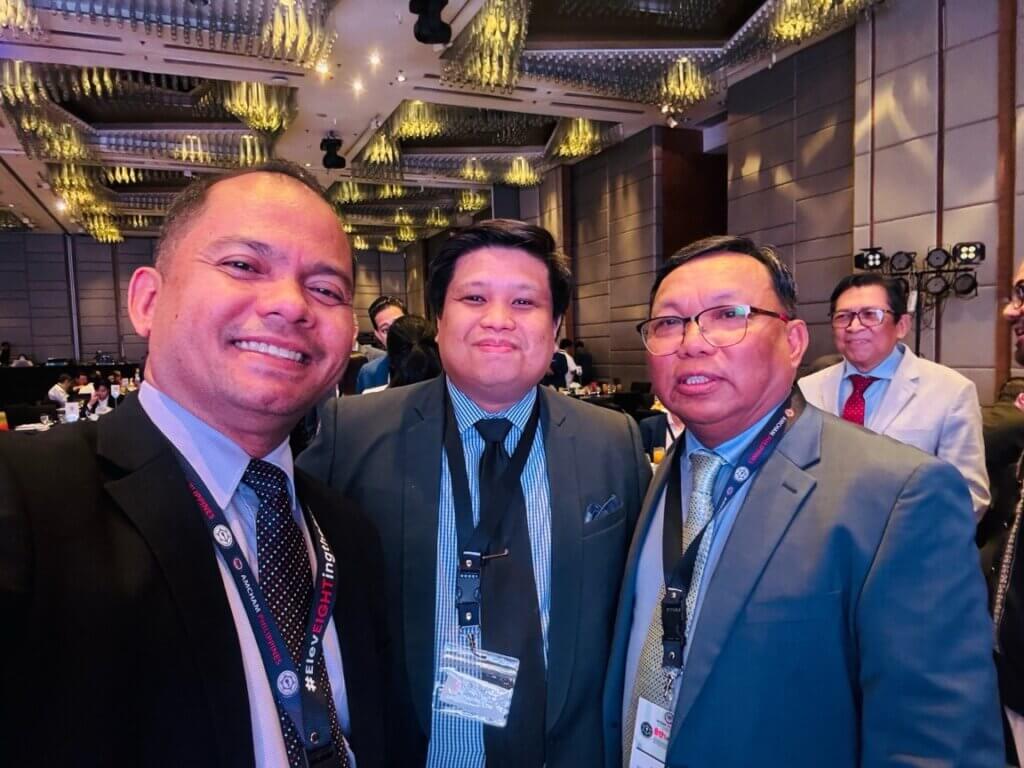
From solar fields to smart grids, from nuclear feasibility to AI-driven solutions, the road ahead is complex yet promising. The future of energy in the Philippines will be defined by bold investments, inclusive policies, and a shared commitment to sustainability. And if the conversations at this forum are any indication, the country is ready to lead.
Turning Vision into Reality
Just as the AMCHAM Energy Forum showcased innovation and possibility, we help companies shape their leaders through strategic training and recruitment. Contact us today—and let’s turn your vision into reality.

