
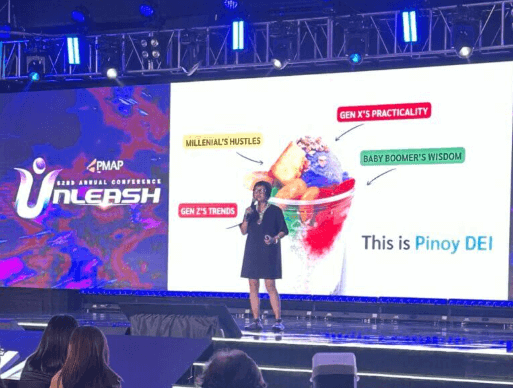
At the PMAP Conference 2025 in Cebu, Dr. Eloisa Tan, AVP and Head of Health Risk Management at Lockton, delivered a refreshing and distinctly Filipino take on a topic that often feels daunting and expensive – Diversity, Equity and Inclusion.
Her session entitled “DEI to DIY”, offered a down-to-earth perspective: that DEI doesn’t always require a massive budget or complex program. Rather, it can be a “do-it-yourself” journey built on empathy, creativity, and a unique culture of our Filipino workplaces.
From DEI to DIY: Where Heart Meets Practicality
Many HR leaders aspire to drive inclusion but hesitate, thinking that DIY initiatives are costly or complicated. Dr Tan reframed this mindset, emphasizing that impactful inclusion can begin with small, intentional actions. “Sometimes, it’s not about the budget – it’s about the heart,” she said. By starting with small, cost-efficient efforts, organizations can create ripple effects or understanding and belonging that grow over time.
Her approach encourages companies to:
- Conduct simple needs–assessments through small surveys or focus groups
- Start small and scale up, focusing on one or two initiatives that can build momentum.
- Leverage in-house talent, recognizing that passionate employees are the best DEI champions.
A Filipino Family Reunion at Work
Dr. Tan painted a vivid picture of a workplace as a “giant chaotic family reunion we attend every day”. In true boodle-fight fashion, everyone brings something to the table – and that’s exactly what makes it meaningful.
- Baby Boomers have their logbooks and tupperware collections.
- Gen X is fueled by coffee and nostalgia.
- Millennials are masters of multitasking and remote work.
- Gen Z thrives on TikTok, creativity, and clear boundaries.
This, she said, is the essence of Pinoy DEI – learning to get along, work together, and respect each generation’s flavor in our “halo-halo” workplace.
The Halo-Halo Analogy: Mixing It Right
In the Philippines, halo-halo isn’t just dessert — it’s a metaphor for inclusion. Each ingredient – ice, milk, macapuno, leche flan – is distinct, but when mixed well, creates something extraordinary.
The same is true for teams. Different points of view don’t have to clash; they add richness and perspective. What matters is balance, not uniformity.
Dr. Tan illustrated the difference between equality and equity using familiar Filipino metaphors:
- Equity is “Baon” — giving people what they need to get through the day. A Boomer may need printed manuals and one-on-one coaching, while a Gen Z employee may prefer digital tools and autonomy. Both get the support they need to thrive.
- Inclusion is “Salo-Salo” — not forcing everyone to do the same thing, but ensuring everyone feels comfortable to join in their own way.
Inclusion, she reminded the audience, isn’t about making everyone talk at the Christmas party — it’s making sure the music keeps playing so everyone enjoys the celebration in their own rhythm.
Generational Wisdom: DIY Solutions for Every Age Group
Every generation faces unique challenges, and Dr. Tan offered creative, low-cost “DIY” solutions:
- Gen Z: Struggling with mental space and boundaries? Try a “Weekend Boundary Bundle Kit” — use scheduled messaging features to respect downtime.
- Millennials: Crave purpose and growth? Organize “Skills Sharing Days” where they can teach peers digital marketing or creative tools.
- Gen X: Frustrated by unproductive work? Apply the “Five-Minute Rule” — if a discussion takes longer than five minutes, make it an email.
- Boomers: Want to feel valued? Create “Digital Ambassador” or “Wisdom Talk” programs so they can share knowledge and legacy.
These simple, relatable actions build connection and mutual respect – no big budgets required.
Wellness and Burnout: The DEI of Health
Dr. Tan also highlighted how DEI intersects with employee wellness. Not everyone relates to Zumba or yoga, for instance — some see it as a fun challenge, others as a punishment. Her suggestion? Rename it “Dance Fitness,” let teams pick their music, or incorporate TikTok routines.
Flexibility is inclusion. Offering micro-workouts, yoga stretches, or walking clubs ensures everyone moves together – in their own way.
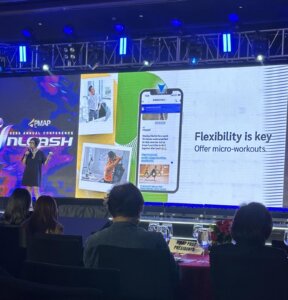
When discussing burnout, she compared it to an empty sari-sari store: each generation’s store “runs out” differently – whether from overwork, lack of purpose, or feeling undervalued. Her DIY advice: “This email was sent at a time that works for me — please reply when it works for you.” A small gesture, but one that respects boundaries and promotes well-being.
DEI: Not Woke, But Warm
Dr. Tan concluded that DEI is not about being “woke” — it’s about creating a comfortable and respectful workplace where everyone feels they belong. She encouraged leaders to think less about expensive programs and more about intentional, heart-driven actions. In her words: “Start where you are, use what you have, and do what you can – with heart, humor, and humanity.”
Key Takeaway
DEI, Filipino-style, is deeply human — a blend of empathy, practicality, and community spirit. It’s about seeing diversity not as a challenge, but as an opportunity to create a workplace that feels like family — chaotic, colorful, and wonderfully inclusive.
“Diversity is being invited to the party.
Inclusion is being asked to dance.
Equity is making sure everyone has shoes that fit.”
Bring Heart and Inclusion to Your Workplace
Ready to turn diversity, equity, and inclusion in the workplace from theory into meaningful action? At John Clements Consultants, we help organizations like yours build people-first cultures through purposeful leadership, innovative HR strategies, and inclusive talent solutions.
Start your own “DEI to DIY” journey today — with the right guidance and heart, small steps can make a big difference.
Contact us to learn how we can help your team create a workplace that feels like family — diverse, empowered, and united.

