
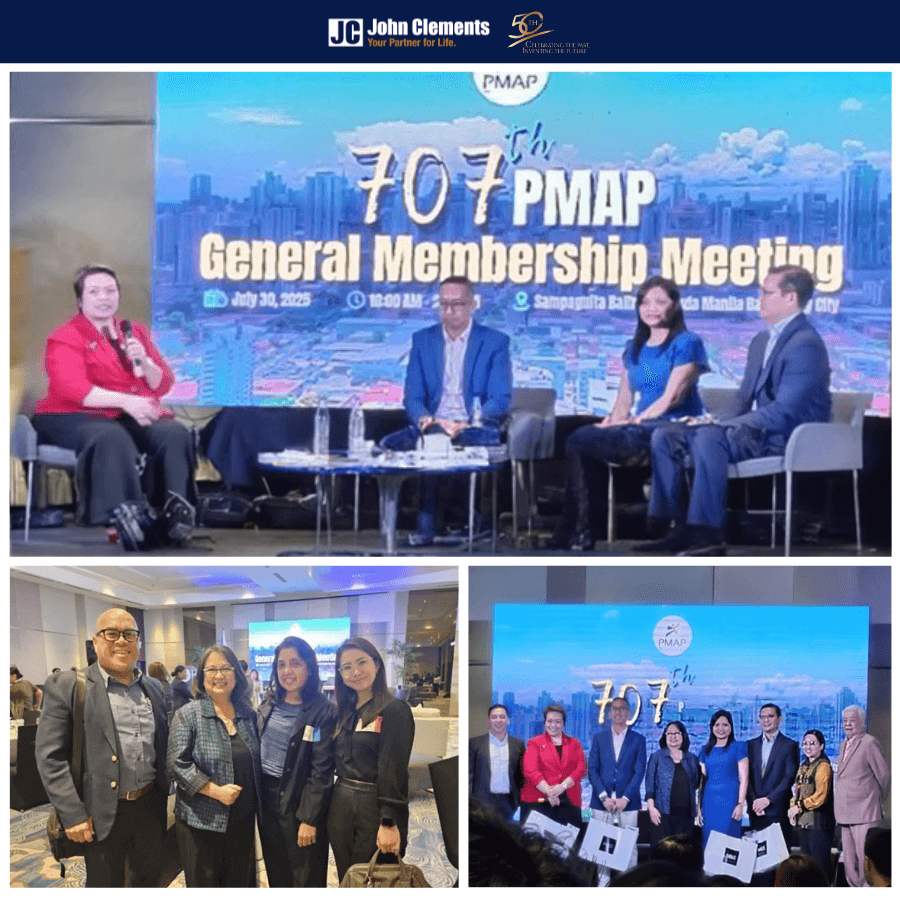
I had the incredible opportunity to attend a thought-provoking event on July 31, 2025, at Seda Manila Bay Hotel. The discussions on workforce transformation deeply resonated with me. Hearing real-life experiences from forward-thinking organizations like INSEAD, Filinvest, and Roadlink gave me a fresh perspective on how we, as HR and business professionals, can actively shape the future of work.
It’s not every day that you find yourself in a room filled with leaders and practitioners boldly reimagining the workforce ecosystem. I left the event not just inspired but more equipped, more thoughtful, and more hopeful about what’s possible.
Embracing Flexibility: Filinvest’s Workforce Model
Filinvest stood out as a great example of how companies can modernize without losing their core values. They’ve embraced a flexible workforce ecosystem—one that doesn’t rely solely on full-time employment but includes consultants, project-based workers, seasonal hires, and gig talent.
This approach is not just practical. It’s smart and human-centered. It recognizes that the world of work has changed, and people want flexibility, purpose, and a chance to contribute meaningfully without necessarily being tied to a long-term role.
What I found especially powerful about Filinvest’s model is how it allows the company to:
- Scale up or down depending on business needs without the inefficiencies of overstaffing.
- Bring in specialized expertise quickly, rather than train from scratch or go through long hiring cycles.
- Stay cost-efficient while still supporting innovation and speed.
But beyond structure and cost, there’s something more profound here: Filinvest is creating an environment where work is more inclusive, more dynamic, and more respectful of individual life choices.
Operational Excellence: Roadlink’s Strategic Alignment
On the other hand, Roadlink offered a completely different—but equally impressive—strategy. With over 2,000 employees, 80% of whom are drivers and helpers, the company is a masterclass in operational alignment.
Their workforce strategy is focused, intentional, and directly tied to client expectations. I was particularly impressed by how they structure their teams around client partnerships like the one with Jollibee, ensuring that service quality is never compromised.
Here’s what stood out from Roadlink’s model:
- Roles are clearly defined, leading to better accountability and smoother workflows.
- Cost-effectiveness is achieved through streamlined operations, not through shortcuts.
- Client-focused team structures mean every employee knows their purpose and how they contribute to the bigger picture.
It made me realize: You don’t always need to have the flashiest tech or the most complex structures. Sometimes, clarity, discipline, and focus are all it takes to build a high-performing, purpose-driven workforce.
Digital Transformation with a Human Touch
Both companies are navigating digital transformation, but what stood out was their people-first approach.
At Filinvest, digital tools likely support onboarding, project tracking, and hybrid work experiences, creating seamless interactions for both the company and its talent.
Meanwhile, Roadlink is probably investing in route optimization, fleet management, and HR tech platforms to manage its large, mobile workforce. Yet, it’s not just about systems. it’s about redefining work and ensuring that all employees, regardless of employment type, feel empowered and supported.
This reminded me that technology should enhance, not replace, the human connection. When done right, it strengthens the employer brand and deepens engagement across all levels.
Reflections and Gratitude
I’m truly grateful to have attended this session. It reaffirmed why I chose this profession—because the work we do in HR, operations, and leadership genuinely shapes lives. The stories shared by INSEAD, Filinvest, and Roadlink are more than case studies; they’re blueprints for intentional, flexible, and compassionate workforce transformation.
Thank you to the organizers and panelists for creating such a meaningful space for learning and collaboration.
Key Takeaways
- The workforce of the future is flexible. Embracing a mix of full-time, project-based, seasonal, and gig workers allows companies to scale and adapt more effectively.
- Operational alignment drives results. Roadlink’s model shows that workforce structures tailored to client needs can elevate service quality while keeping operations lean.
- Digital transformation is about people, not just platforms. When tech is used to support and empower workers rather than replace them, it’s drives engagement and efficiency.
- Your EVP must evolve. Whether you’re hiring full-time talent or engaging gig professionals, your value proposition as an employer needs to reflect purpose, flexibility, and growth.
- Quality doesn’t have to come at a high cost. Strategic workforce planning, role clarity, and digital tools can help you do more with less without sacrificing performance.
If there’s one message I’m bringing back with me, it’s this: the future of work isn’t just about change, It’s about choice. And it’s our responsibility to build ecosystems that support those choices, both for the business and the people who power it.
Let’s keep building—and let’s do it with heart.
Ready to Embrace Workforce Transformation?
The future of work is already here, and it’s flexible, people-centered, and digitally empowered. At John Clements Consultants, we help organizations build adaptive workforce strategies that align with modern realities.
Inspired by the insights shared at PMAP’s 707th General Membership Meeting? Let’s turn ideas into action. Contact us and explore how we can support your journey toward smarter, more human-centered workforce transformation.

