

“The key to successful leadership today is influence, not authority.”
— Ken Blanchard
A Case That Highlighted the Importance of Communication
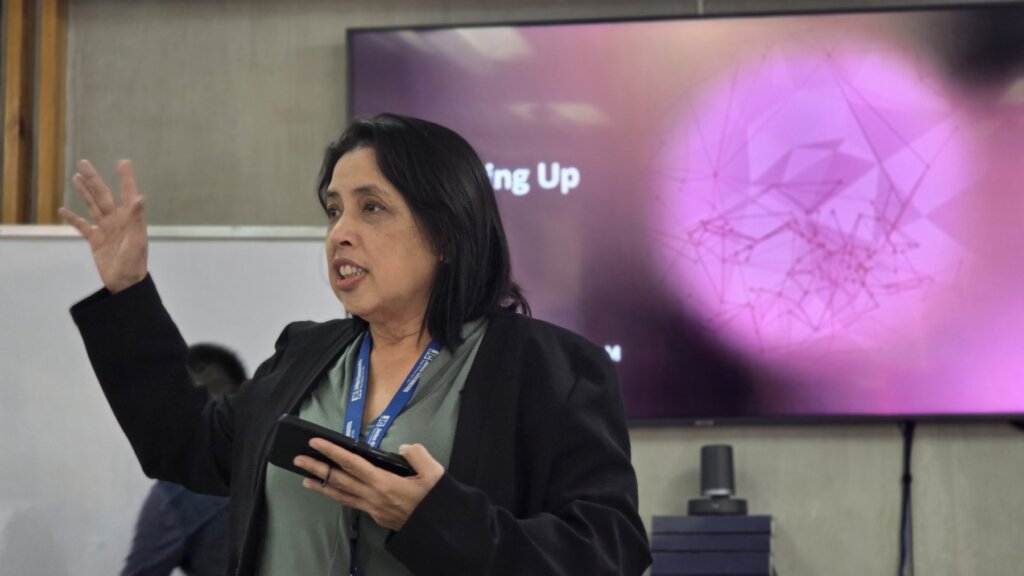
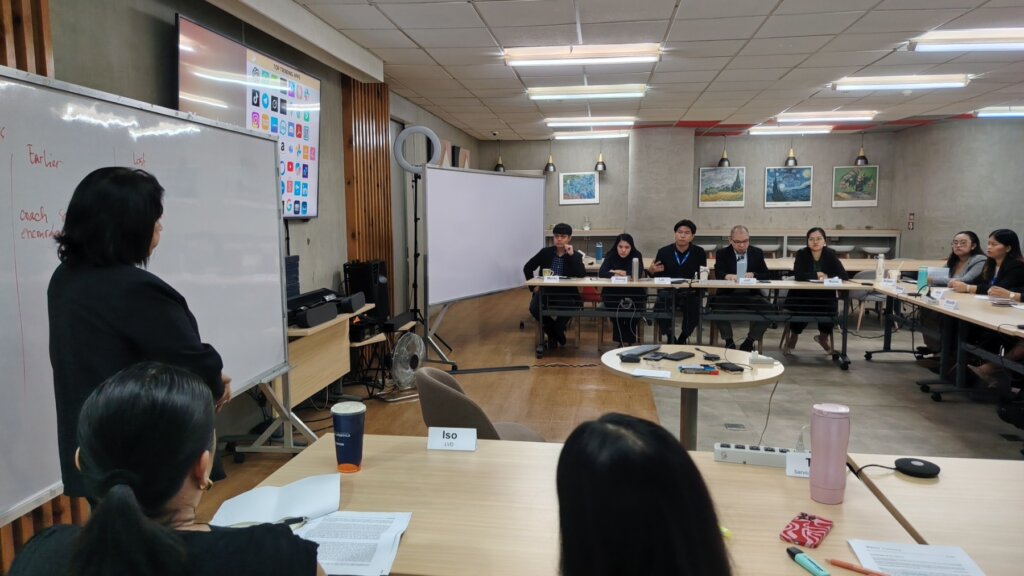
This became clearer to me during our fourth session of the Breakthrough Development Program facilitated by Ms. Regie Gines, particularly through the case discussion about Grace, a 26-year-old junior employee who had worked at 8SK Consulting for more than a year.
Grace aspired to take on a more senior and challenging role, but she felt that her ideas and career goals were being dismissed by her manager, Landon. As a result, she decided to present her ideas directly to their Vice President, Bill, after meeting him at a company event.
I could understand Grace’s situation. Many professionals feel pressure to prove themselves, especially when they are eager to grow and contribute more to their organization.
Her ambition was not the issue. The challenge was how she pursued her goal.
Instead of first discussing her aspirations and concerns with Landon, she bypassed him and went directly to Bill. Consequently, Landon may have felt undermined or excluded from an important conversation.
Understanding Both Sides of the Relationship
Looking at the situation, I realized that both Grace and Landon may have struggled to fully understand each other’s perspectives.
Grace wanted growth opportunities. Meanwhile, Landon may have had expectations regarding her readiness, performance, and development. Perhaps the real issue was not ambition at all. It was communication.
If Grace had clearly communicated her career goals and sought feedback from Landon, they might have found common ground. Likewise, a more open dialogue could have clarified expectations and reduced misunderstandings.
This lesson reinforced the value of managing upward through proactive and respectful communication.
Why Career Stages Matter
To further explore the case, our facilitator, Regie Gines, introduced the four career stages:
- Establishment – You are settling into your role, learning the organization’s norms, building skills, and establishing credibility. This is about finding your place and aligning your work with your goals
- Advancement – You focus on growth, taking on more responsibility, seeking promotions, and expanding your expertise. Productivity and career progression are key
- Maintenance – You aim to sustain your position, protect your achievements, and continue developing skills to stay relevant. This stage often lasts many years and may involve mentoring others
- Withdrawal – You prepare for retirement, reduce responsibilities, and may shift focus toward advisory roles or other life priorities
- This discussion helped me realize that people often have different priorities depending on where they are in their careers.
Understanding both our own career stage and our manager’s career stage can help us better understand motivations, expectations, and concerns. Furthermore, this awareness can strengthen communication and improve working relationships.
Learning From Different Perspectives
During the session, we were asked to identify our current career stage and that of our current or previous boss. We also reflected on ways to close potential gaps and align our goals.
Listening to the experiences of other participants broadened my perspective. I realized that understanding our own needs and priorities is important, but understanding the people we work with is just as valuable.
Strong workplace relationships depend on:
- Open communication
- Mutual respect
- Clear expectations
- Active listening
- Shared goals
According to the Civil Service Commission, effective workplace relationships rely on professionalism, accountability, and collaboration.
Similarly, the Department of Labor and Employment emphasizes productive employer-employee relationships as an important factor in workplace success.
The Real Meaning of Managing Upward
One statement from the session stayed with me:
“Don’t just manage your work, but also manage the relationship, expectations, and yourself, because great careers are built not only on what you deliver, but on how you effectively work with those who lead you.”
This message resonated with me because I realized that I still have room to improve when it comes to building and maintaining professional relationships.
At times, I focus heavily on completing tasks and delivering results. However, this session reminded me that career growth also depends on how we communicate, collaborate, and build trust with others.
In practice, managing upward does not mean agreeing with everything a manager says. Nor does it mean trying to influence every decision they make. Instead, it means:
- Understanding your manager’s expectations
- Communicating goals clearly
- Adapting to different working styles
- Addressing concerns professionally
- Building trust through consistency
Specifically, managing upward requires self-awareness, flexibility, and professionalism. These skills help create stronger working relationships and improve collaboration across teams.
Taking Ownership of Career Growth
Looking back at Grace’s situation, I realized that ambition and career growth are important, but they must be supported by effective communication and strong professional relationships.
Wanting to advance is not enough. We also need to understand what is expected of us, communicate where we want to go, and work with our managers to identify the steps needed to get there.
When expectations are clear and communication remains open, the workplace becomes more productive and less stressful. More importantly, people become better equipped to take ownership of their careers.
For me, managing upward is not about managing the person. It is about managing the relationship, expectations, communication, and myself.
My Biggest Takeaway
This session taught me that successful careers are built on more than technical skills and strong performance. Relationships matter. Communication matters. Self-awareness matters.
By understanding our managers, expressing our goals clearly, and building trust over time, we create stronger partnerships that benefit both the individual and the organization.
Ultimately, managing upward is a continuous process of understanding others while becoming more aware of who we are, what we want to achieve, and how we can contribute.
Develop Stronger Leadership and Workplace Relationship Skills
The ability to build productive relationships, communicate effectively, and align expectations is essential for long-term career success. Discover how the John Clements Leadership Institute helps professionals develop practical leadership skills that drive results.

