
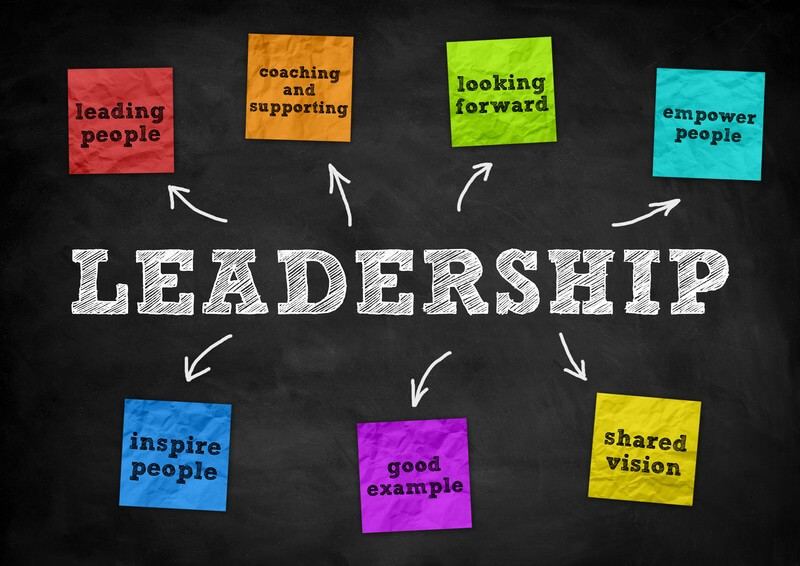
The Philippines’ workplace is evolving at an unprecedented pace. With digital tools, hybrid schedules, and global competition reshaping expectations, Filipino managers must rise to meet new challenges. At the same time, cultural values such as pakikisama (getting along) and malasakit (genuine care) continue to serve as vital anchors.
To thrive in this dynamic environment, managers must move beyond traditional methods. They need to embrace continuous growth through leadership training programs in the Philippines—initiatives that foster emotional intelligence, adaptability, and strategic thinking while honoring the values that make Filipino leadership unique.
1. Emotional Intelligence
Lead with Empathy and Self-Awareness
In today’s people-centered workplaces, technical expertise alone no longer defines great leadership. Filipino managers who understand and manage emotions—both their own and their team’s—build stronger, more cohesive teams. Emotional intelligence (EI) enables leaders to connect authentically, resolve conflicts effectively, and foster a supportive environment grounded in empathy and trust—values deeply rooted in Filipino culture.
Why It Matters
Employees are more likely to stay and perform when managers show empathy and create psychologically safe environments. In fact, recent well-being surveys reveal strong correlations between perceived empathy at work and retention.
Key Components
- Self-awareness — Know your triggers and biases
- Self-regulation — Manage reactions under stress
- Empathy — Read emotions and respond supportively
- Social skills — Resolve conflict and build trust
Practical Tips for Filipino Managers
- Begin team meetings with a quick personal check-in
- Use reflective listening: restate what you heard before responding
- Publicly recognize small wins—Filipino workplaces respond strongly to relational affirmation
2. Communication + Cultural Sensitivity
Speak with Clarity and Respect
Effective communication remains the cornerstone of leadership, especially in the Philippines’ culturally diverse and multilingual work environment. Managers must express ideas clearly while being mindful of tone, hierarchy, and cultural nuances. By combining assertiveness with empathy, Filipino leaders can bridge communication gaps and foster collaboration.
Why It Matters
The Philippines hosts multilingual, multi-generational, and increasingly global teams—especially in BPOs and export-facing sectors. Clear communication that honors Filipino norms of paggalang (respect) prevents misunderstandings and preserves team cohesion. Academic work on Filipino values highlights pakikisama as a behavioral norm that favors harmony and indirect conflict avoidance.
Practical Checklist
- Use simple, direct language for task instructions
- Combine assertiveness with courteous phrasing
- Give feedback in private; celebrate results publicly
- Define preferred communication channels and response times
Quick Dos & Don’ts
✅ Do: Ask for clarifying questions
❌ Don’t: Assume silence equals agreement—encourage explicit confirmation
3. Adaptability & Tech-Savviness
Lead Teams Through Change
Change is constant, and technology continues to reshape how Filipino organizations operate. Managers who quickly adapt to new tools, systems, and work arrangements lead teams more effectively in uncertain times. Moreover, tech-savviness empowers leaders to drive innovation and support hybrid teams.
Why It Matters
Organizations in the Philippines are accelerating digital adoption. Many employees are actively upskilling to keep pace. Managers who understand digital tools and champion learning reduce friction and boost team confidence.
Concrete Actions
- Learn the basics of tools your team uses (e.g., Asana, Slack, Teams)
- Set a monthly “tool hour” for sharing productivity tips
- Sponsor micro-learning: 1–2 short courses per quarter per team member
Benefits
- Faster onboarding for new hires
- Lower resistance to process changes
- Greater team autonomy and innovation
4. Strategic Thinking & Decision-Making
See the Forest and the Trees
In a rapidly evolving business landscape, Filipino managers need more than operational skills—they need vision. Strategic thinking enables leaders to anticipate challenges, make informed decisions, and align actions with long-term goals. As a result, managers become proactive drivers of success.
Why It Matters
Managers who balance short-term delivery with long-term vision keep teams aligned and reduce firefighting. Strategic thinking is essential not just for executives but also for middle managers who influence daily operations.
A Simple 4-Step Decision Flow
- Define the objective
- Gather quick data
- Weigh options and risks
- Decide, communicate rationale, and set review points
How to Practice Weekly
- Reserve 30 minutes for “strategy time”
- Involve team members in scenario planning to build ownership
5. People Development & Mentorship
Grow Your People—They’ll Stay
The best leaders don’t just manage—they mentor. Filipino employees value malasakit and loyalty, making people development a critical leadership skill. When managers invest in mentoring and career growth, they cultivate motivated, high-performing teams.
Why It Matters
Filipino workers place high value on mentorship and career pathways. Managers who show sincere concern for employee growth build trust and drive retention. Industry reports consistently rank mentoring as one of the highest-ROI talent investments.
Practical Mentorship Model
- Diagnose: Identify strengths and gaps
- Plan: Set 3–6-month development goals
- Coach: Schedule monthly one-on-ones
- Review: Celebrate progress and revise goals
Easy Things Managers Can Start Tomorrow
- Create simple Individual Development Plans (IDPs)
- Pair junior staff with senior “buddies”
- Sponsor learning time and small budgets for courses
Building the Next Generation of Filipino Leaders
Leadership in the Philippines is evolving—blending traditional values of pakikisama and malasakit with modern skills shaped by digital transformation and global collaboration. Filipino managers who develop emotional intelligence, communicate with clarity, adapt to new technologies, think strategically, and invest in people development will stand out as true leaders of tomorrow.
These five essential skills are not just competencies—they are cornerstones of a leadership style that is empathetic, innovative, and future-ready. By mastering them, Filipino managers can inspire teams, strengthen organizations, and help shape a more resilient and competitive nation.
Empower Your Team with the Right Leadership Skills
Ready to elevate your management team? At John Clements Consultants, we help organizations build future-ready Filipino leaders through customized leadership training and development solutions. Transform your managers into strategic, empathetic, and high-impact leaders.
Contact us todayto start shaping your next generation of exceptional leaders.

