
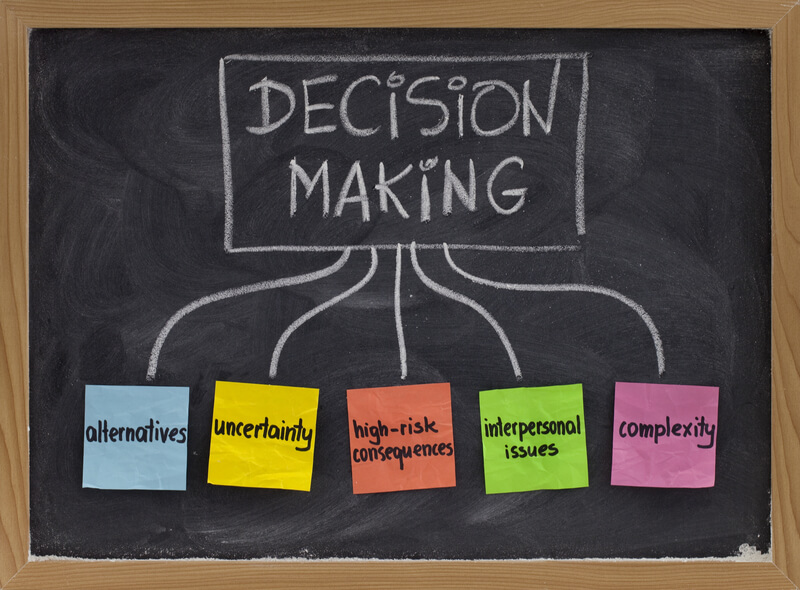
Sitting through our recent session on the “Growing Pains at Stroz Friedberg” case felt less like studying someone else’s story and more like holding a mirror up to my own experiences. I’ve seen versions of this case play out in different organizations: rapid growth, ambitious targets, uneven systems, strong personalities, and leaders trying to make the best possible decisions with imperfect information. In our third session of the Mid-Level Managers Program, facilitated by Dan Napa, we discussed Decision Making — and this case underscored just how complex and consequential those choices can be when the stakes are high.
That’s exactly why the discussion resonated with me. The questions raised in the case—about ambition, bias, and leadership courage—are questions I wrestle with in my own work.
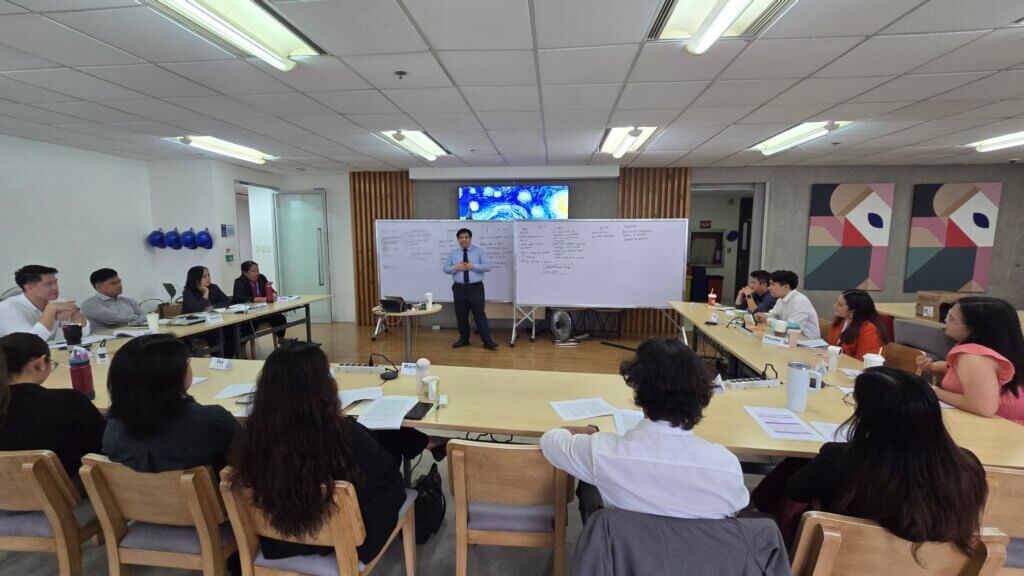
Why the Discussion Hit Close to Home
From the start, the conversation was lively and familiar. The group unpacked the dynamics at Stroz Friedberg—founders under pressure to sustain high growth, a CFO pushing for a 27% revenue increase, and office heads submitting much more conservative plans. I could immediately map these patterns to real situations I’ve seen.
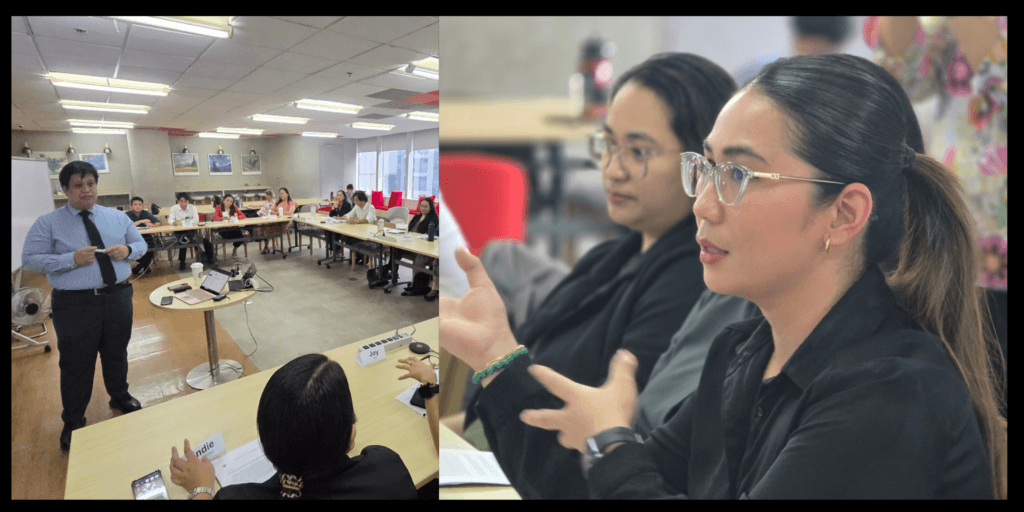
We’ve all been there: senior leaders see “what’s possible,” while people closer to the ground see constraints, risks, and fatigue. One side pushes for stretch targets; the other worries about breaking the organization. Listening to my colleagues share their perspectives, I realized how common this tension is across industries.
The engagement in the room reflected that familiarity. People weren’t shy. They asked questions, challenged assumptions, and volunteered stories. I found myself nodding along as others described moments when they felt torn between pushing for more and protecting their teams. It was reassuring to know I’m not alone in navigating that balance.
A Facilitator Who Made Learning Easy
A big part of why the discussion worked so well was the way Dan Napa facilitated it. It was obvious to me that he came very prepared. He knew the case in detail, but he didn’t turn the session into a lecture. Instead, he guided us through the key decision points, then stepped back and let the group do the thinking.
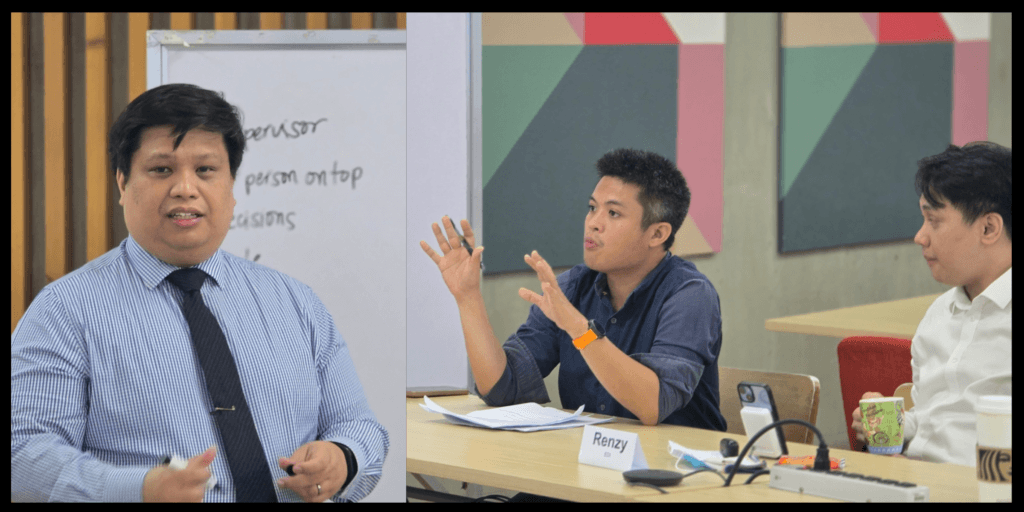
The tone he set was insightful, fun, and light—without losing the seriousness of the lessons. That combination made it much easier for me to share my own thoughts and to listen openly to views that were different from mine. Dan’s questions pushed us to go beyond “what happened in the case” and ask, “Where have I seen this before? How did I react? What would I do differently now?”
Because of that, the session became more than just an academic exercise. It turned into a safe space where we could admit our biases, talk about our missteps, and still laugh together. I walked away with insights not only from the case, but also from the people around me.
What I Learned About Decision Biases
One of my biggest takeaways is that every decision carries bias. I have to be more conscious of that in my own leadership. In the Stroz Friedberg case, I could see how different forms of bias were at play:
- Overconfidence from years of strong growth and high utilization.
- Attachment to the firm’s original identity as a boutique problem‑solver, which made some leaders resistant to scaling e‑discovery.
- The tendency to favor data that supports our preferred narrative, whether that narrative is optimistic or cautious.
As I listened to the discussion, I realized how easily these same biases can creep into my decisions. Sometimes I lean too much on past success to justify a new push. Other times I cling to a familiar way of working because it feels safe, even when the environment has changed.
The session reminded me that being aware of bias is not optional. If I want to make better decisions—especially in high‑stakes situations—I need to pause and ask myself: What assumptions am I not challenging? Whose opinion am I not seeking out? Am I avoiding certain data because it makes me uncomfortable?
It’s a humbling realization, but also a constructive one. I left with a clearer intention to design my decision‑making process so that it actively surfaces and counters these biases.
The Reality of Making Decisions Without Full Support
Another point that struck me is that not every good decision will be popular at the start. In the case, the CFO and founders believed a 72M target was both possible and necessary. Many office heads disagreed. That tension felt very real to me. I’ve also faced situations where I had to move forward without 100% support.
The session helped me reframe this. Waiting for full consensus on every major decision just isn’t realistic. My role is not to make everyone comfortable. It is to make the best possible decision, given the information I have, and then own the outcome.
What matters is how I handle the disagreement. I need to listen carefully, understand the risks being raised, and be transparent about the rationale behind my choice. Once the decision is made, I should be ready to track results and adjust if reality proves me wrong. Courage and humility must go together.
Hearing others share their own stories—somewhere an unpopular decision turned out well, and others where resistance was a signal they should have heeded—made this lesson very tangible. We really did learn from one another.
The Power of Shared Experiences
What I appreciated most about the session was how participative it became. This was not a room full of passive listeners. People actively connected the case to their roles in HR, operations, finance, and leadership. As they spoke, I picked up concrete ideas I can apply. These include involving more diverse voices in planning, stress‑testing targets with both top‑down and bottom‑up views and being more deliberate in how I explain the “why” behind tough calls.
Because the case felt so familiar, the conversation flowed easily. We weren’t just talking about Stroz Friedberg. We were talking about our own organizations and our own behavior. Dan’s facilitation created the conditions for that openness, and the group took full advantage of it.
By the end, I felt that the real value of the session came from the mix of perspectives. The case gave us a common language. But the learning came from seeing how differently—and how similarly—we respond to pressure, ambiguity, and growth.
Turning Reflection into Action
Walking away from this session, I’m more conscious of how I make decisions and how my own biases show up. I’m also more comfortable with the idea that not everyone will support every decision I push for. That’s okay, as long as I stay open, fair, and accountable for the outcomes.
If, like me, you see your own experiences reflected in this case and conversation, I encourage you to take the next step. Visit our John Clements Leadership Institute (JCLI) page and explore how we can work together to strengthen decision‑making, leadership, and organizational resilience in your own context.
Explore the John Clements Leadership Institute (JCLI): https://johnclements.com/client-solutions/john-clements-leadership-institute-jcli/

