

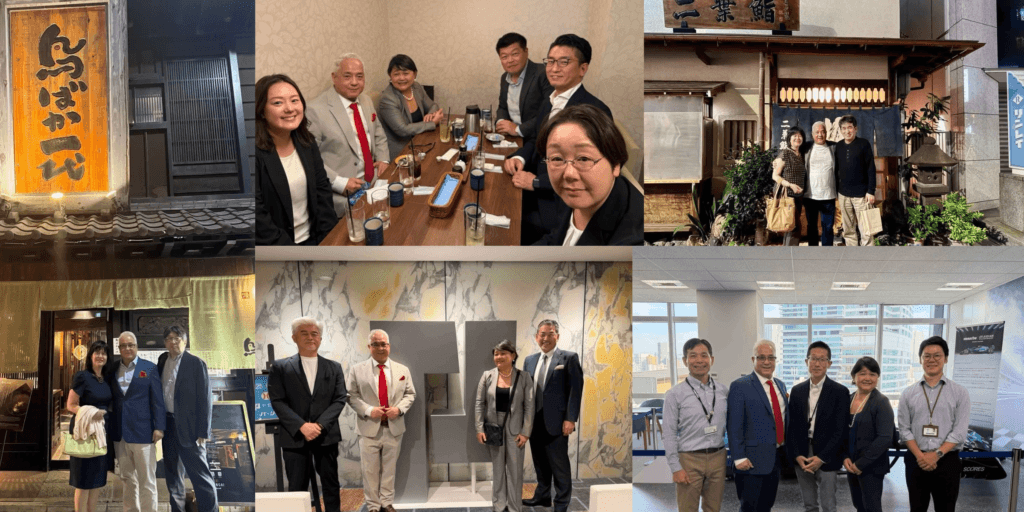
In mid-October, I traveled to Tokyo with Carol Dominguez, President and CEO of John Clements Consultants. Over six days, from October 15 to 20, we met various organizations in engineering, construction, energy, logistics, technology and workforce solutions. My visit to Japan reaffirmed the strong demand for skilled Filipino workers and the importance of building lasting relationships with our Japanese partners.
Why Japan Matters to EDI
Japan has been one of EDI’s major markets for the past five years, and the numbers show why. The Department of Migrant Workers reports that more than 60,000 OFWs went to Japan in 2025, counting both new hires and rehires (see the DMW deployment table). Japan’s own data points the same way. The number of foreigners holding specified skilled worker status reached a record 444,256 by the end of June.
This year also marks the 70th anniversary of Philippine-Japan diplomatic relations, as GMA News noted. That gave our visit an added meaning.
A Partnership That Runs in Both Directions
During the visit, we also met with one of our partners, one of the biggest HR companies in Japan. Together, we have worked on international recruitment for some time. John Clements, in turn, holds a business alliance with them for its Japan desk, which serves Japanese companies operating in the Philippines. This relationship is not new. John Clements took its “Investing in and Recruiting from the Philippines” roadshow to Japan in 2019, as Carol recalled in her year-end message.
On this trip, we met their senior leaders to keep that bond strong. We discussed ways to cooperate in staffing, recruitment, and workforce solutions with EDI sending Filipino talent to Japan and John Clements Japan desk supporting Japanese employers here at home. Together, we cover both sides of the same bridge.
Meeting the Industries That Build Tomorrow
Our schedule took us to leaders in heavy equipment, construction, infrastructure, energy, aerospace, logistics, and plant engineering. We also met a firm serving Japan’s agriculture and primary industries. Another meeting covered technical talent and international workforce services.
We learned how smart construction uses drones, 3D site data, and AI planning to improve safety and productivity. We also visited a technical training and exhibition center. It was a key stop because six EDI engineers currently work with that client, and training shapes their growth. Several of our contacts, who used to be assigned in the Philippines, remember Filipino teams well, and they speak up for them.
What I Took Home
Three lessons will guide our work.
- Relationships come first. Japanese partners value steady, long-term trust, and a visit in person shows that we mean it.
- Skills and language open doors. Japan expects strong technical ability and Japanese proficiency. This preparation sets workers up to succeed.
- Ethical deployment protects everyone. Workers, employers, and agencies all gain when each follows the rules. Jobseekers can verify licensed agencies through the Department of Migrant Workers. Japan’s Immigration Services Agency publishes the rules for the Specified Skilled Worker status.
Looking Ahead
These meetings strengthened our ties across engineering, construction, technology, and workforce solutions. They also opened doors to technical talent, project collaboration, and long-term partnerships. EDI-Staffbuilders, International, Inc. will keep building on them with the same care for Filipino workers that has guided us for more than 45 years. If your company wants to hire from the Philippines, or if you are a Japanese firm entering the Philippine market, I invite you to talk to our team at EDI and John Clements.

