
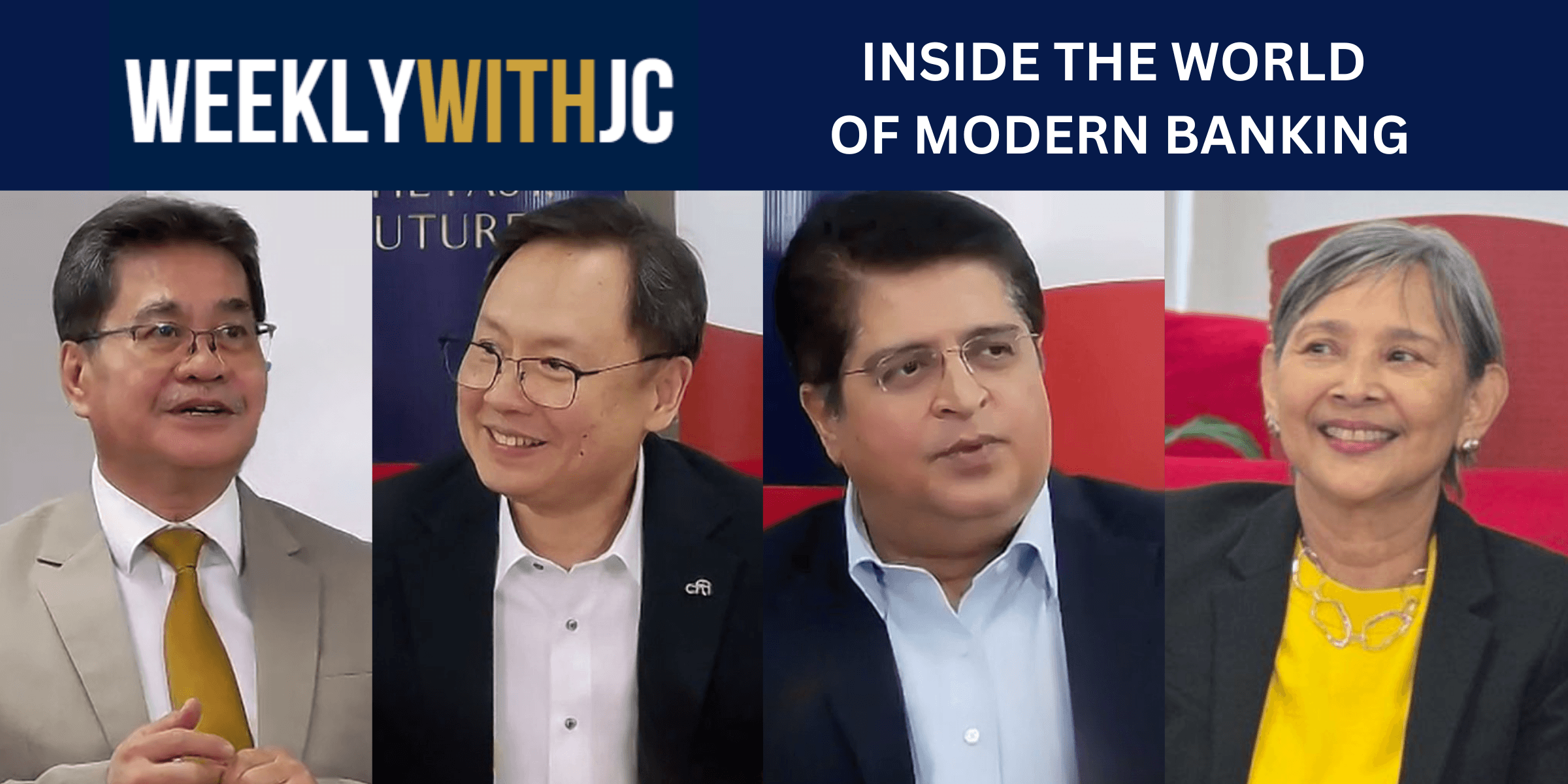
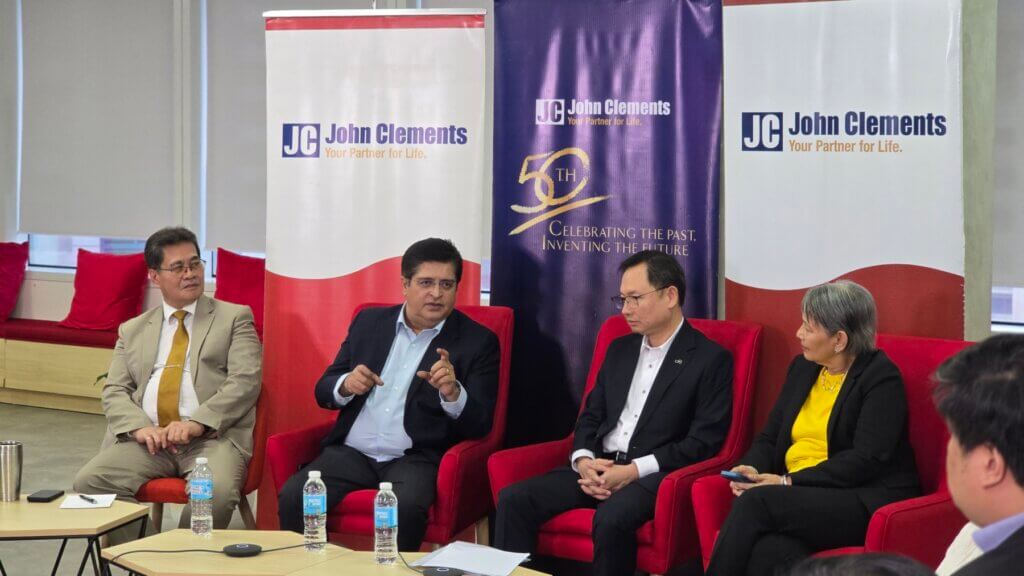
The Philippine banking industry continues to prove resilience amid shifting economic, technological, and regulatory conditions with modern banking practices playing an increasingly central role. In a recent Weekly with JC session, Paul Favila, CEO of Citi Philippines, and Sandeep Mulajkar, Managing Director of Paywatch, shared timely perspectives on how banks and financial innovators are navigating today’s challenges while preparing for the future.
Together, their insights painted a clear picture: adaptability, digital maturity, and responsible innovation will define the next chapter of Philippine banking.
Banking Resilience in a Challenging Environment
Paul Favila opened the discussion by highlighting the underlying strength of the Philippine banking sector, even as it faces pressures such as softening loan growth, margin compression, and heightened regulatory scrutiny. These challenges, he noted, require banks to be more disciplined than ever in managing liquidity, capital, and risk.
At the same time, regulatory standards—while more demanding—are helping strengthen the system. According to Paul, institutions that support strong balance sheets, robust governance, and prudent risk frameworks are better positioned to remain competitive in uncertain markets.
Understanding the Philippine Banking Landscape
A clear grasp of the banking ecosystem is essential to understanding how institutions work. Paul outlined the country’s banking license structure, which includes:
- Universal and Commercial Banks
These are the largest institutions, offering a full range of services including deposits, loans, investments, and foreign exchange. They serve both individuals and corporations, and because of their size and capital base, they are heavily regulated to ensure stability in the financial system.
- Thrift Banks
Thrift banks focus on savings and consumer loans, often serving small businesses and middle‑income households. They provide accessible credit and deposit services, helping bridge the gap between large commercial banks and rural institutions.
- Rural Banks and Cooperatives
These banks are community‑based, designed to support farmers, fisherfolk, and small entrepreneurs. They specialize in microfinance and agricultural lending, playing a vital role in promoting financial inclusion in underserved areas.
- Islamic Banks
Islamic banks operate under Shariah principles, meaning they avoid interest‑based transactions and instead use profit‑sharing or leasing models. They provide financial services aligned with religious values, offering an alternative for Muslim communities and clients seeking ethical banking.
- Digital Banks
Digital banks are fully online institutions with no physical branches, offering services through apps and platforms. They emphasize convenience, lower fees, and innovative features like instant transfers, making them attractive to tech‑savvy and mobile‑first customers.
Each license comes with distinct regulatory requirements that shape what services banks can offer and how they manage risk.
Paul also reflected on Citi’s long-standing presence in the Philippines since 1902, underscoring its strategic evolution. Citi has since exited consumer banking locally, choosing instead to focus on corporate and institutional clients—areas where its global expertise and scale deliver the greatest value.
Digital Transformation as a Competitive Advantage
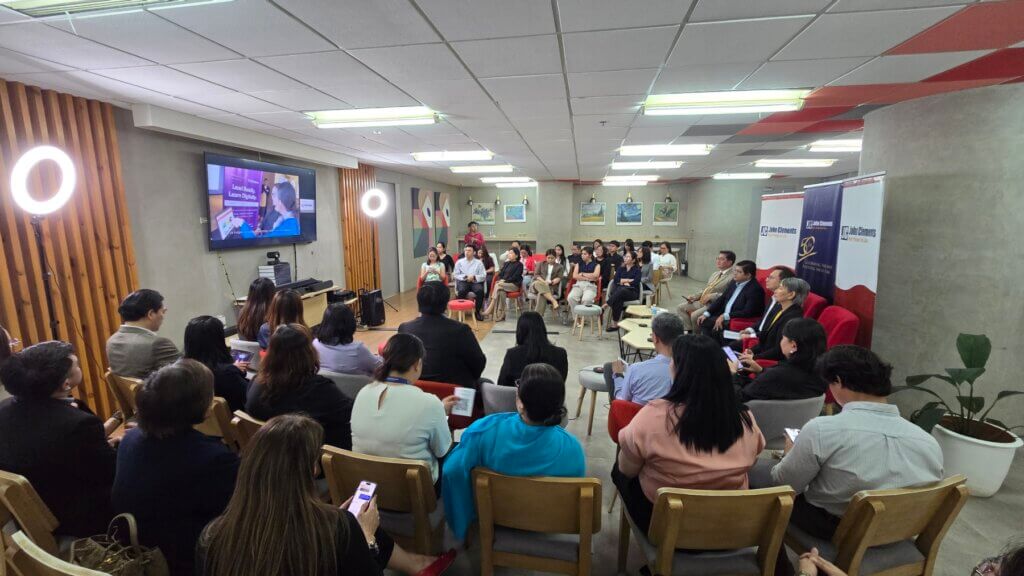
Digital transformation emerged as a central theme throughout the session. Paul shared that Citi had already digitized 75% of its Philippine clients before the pandemic, a move that proved critical when lockdowns disrupted traditional operations. As a result, clients were able to continue transacting seamlessly.
Beyond efficiency, digitalization is now inseparable from cybersecurity and operational resilience. Paul emphasized that as banking becomes increasingly digital, protecting data and infrastructure is no longer optional—it is foundational to customer trust and regulatory compliance.
Digital Payments: Learning from Regional Models
The conversation then shifted to the evolving digital payments landscape. Paul cited limitations in existing systems such as Instapay, particularly in terms of cost and delivery timing, compared to PesoNet, which offers greater efficiency for certain use cases.
To illustrate what is possible at scale, Sandeep Mulajkar shared insights from India’s Unified Payments Interface (UPI). Its success, he explained, was driven by strong government involvement, interoperability, and widespread adoption, resulting in massive transaction volumes and accelerated financial inclusion.
Sandeep also introduced Paywatch, a financial wellness platform offering earned wage access without interest. Operating across several Asian markets, including the Philippines, Paywatch enables employees to access wages they have already earned, helping reduce reliance on high interest debt and promoting healthier financial habits.
Sustainability and Responsible Financial Innovation
Sustainability in financial services extends beyond environmental considerations—it also encompasses ethical lending and social impact. Paul discussed how partnerships with organizations such as the International Labour Organization (ILO) support practices that prevent indebtedness and promote responsible credit.
Global events were also part of the discussion. Paul noted that geopolitical tensions, including developments in the Middle East, may affect banking clients indirectly through oil prices, supply chains, and market confidence. However, he emphasized that measured analysis—and time—are essential before drawing conclusions.
AI, Cybersecurity, and the Future of Banking
Artificial intelligence was another major focus of the session. Paul shared insights from a Stanford AI expert, highlighting that AI adoption is expected to grow exponentially by 2026–2027. Banks that do not adapt, risk being left behind.
While Citi already uses AI extensively in backend functions—such as fraud detection and process optimization—Paul stressed that technology must remain human centered. AI should enhance service quality, not replace relationships.
Cybersecurity awareness remains critical. Both speakers reinforced the need for vigilance, reminding consumers to question unsolicited messages, avoid sharing OTPs, and stay informed about digital risks. The discussion also touched on the AFASA law, which now classifies digital frauds as criminal offenses, reinforcing consumer protection.
Building the Future of Philippine Banking
The Weekly with JC session made one message clear: the future of banking in the Philippines will be shaped by digital readiness, ethical innovation, regulatory discipline, and leadership that balances technology with trust.
Organizations that invest in people, platforms, and purposes will stand out in an increasingly complex financial landscape.
Continue the Conversation with John Clements
To discover how leadership, talent, and organizational strategy intersect with the future of finance, connect with John Clements.
Visit https://www.johnclements.com to learn more about executive insights, leadership development, and industry solutions.

