
This year marked my third trip to Thailand—but something about this visit felt different. My first journey was 28 years ago, and I returned just last year. Still, walking the streets of Bangkok this time felt like discovering the city all over again. No two visits are ever the same.
The transformation I witnessed was nothing short of remarkable. Thailand continues to evolve—not just in its skyline or infrastructure, but in the energy of its people and the rhythm of daily life. For first-time travelers, especially the young and adventurous, Thailand is more than just a destination. It’s a masterclass in resilience, rich culture, and dynamic economic growth.
You feel it everywhere: in the bustling markets, the warmth of the locals, the sights that blend old and new, and in every tuk-tuk ride or Skytrain journey through the city. Even day trips beyond Bangkok offer glimpses into a nation that honors its past while embracing the future.
Then and Now: A Tale of Two Economies
Nearly three decades ago, the Thai baht traded at 35 to the US dollar. Today, it holds strong at 32.50. In contrast, the Philippine peso has slipped from 35 to 56 to the dollar over the same period. Where once the baht and the peso were nearly equal, today the baht is around 1.7 times stronger.
Thailand, with a population of 70 million, has outpaced the Philippines (now at 116 million) in economic progress. For 2025, Thailand’s GDP is projected at $545 billion compared to the Philippines’ $497 billion. The gap is more telling in per capita income—$7,381 in Thailand versus $4,350 in the Philippines.
But statistics only tell half the story. The real proof is in the energy of the streets.
The Pulse of Bangkok
Walk through any Bangkok market—Pratunam, Chatuchak, Asiatique— through high end malls of Icon Siam and Siam Paragon and you’ll feel it: the rhythm of a thriving economy. It’s in the bustling food stalls, the seamless public transport, the well-lit subways, and the rows of trendy shops brimming with both local and international goods.
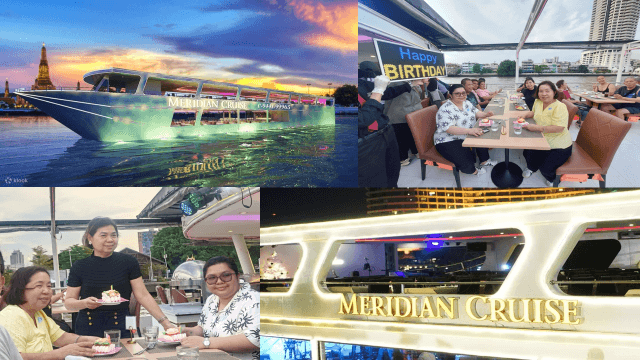
The dinner cruise on the Chao Phraya River. If you ever go, don’t miss this. At sunset, the temples—Wat Arun especially—look like they’re glowing from within. The way the light hits those ancient structures while the boat glides by is absolutely magical.
Thailand attracts over 40 million tourists annually, and its allied industries—food, transport, textiles, automotive, and services—are thriving. There’s a synergy between tourism and industry that creates opportunities and drives innovation.
Even their energy sector shows foresight. While they import some petroleum, Thailand produces its own crude oil and has significant natural gas reserves, reducing dependence on foreign energy. Their manufacturing sector—particularly automobiles, electronics, and textiles—shows strong demand locally and abroad.
Feeding a Nation, Feeding the World
The streets of Bangkok are made more vibrant by the colorful array of fruits and vegetables lining sidewalks, night markets, and supermarket aisles. There’s a palpable abundance—premium produce available at remarkably affordable prices. Food is not just a tourist attraction here; it’s a deeply rooted part of daily life for locals. This abundance reflects something more profound than just culinary delight—it speaks of food security and a nation’s strength in agriculture.
Agriculture remains a cornerstone of Thai society. From expansive rice paddies to lush fruit orchards, Thailand feeds not only its own people but also plays a crucial role in the global food supply. Its agricultural exports reach major markets like the U.S., South Africa, and Indonesia. Rice alone brings in approximately $5.3 billion annually. The diversity and scale of Thai agricultural output ensure both national food security and sustainable economic growth.
Thailand’s success is a powerful reminder of how investing in agriculture can nourish a population—and feed the world
More Than Food and Temples
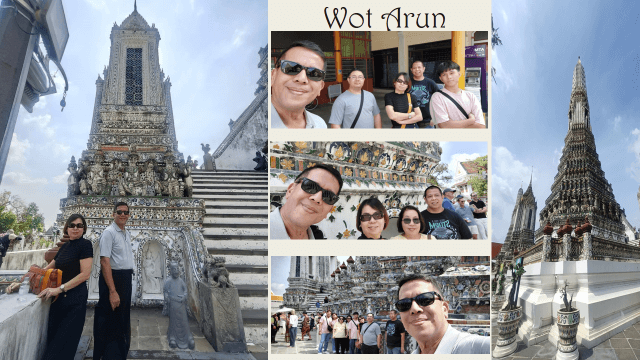
Yes, the food is unforgettable, and yes, the temples—Wat Arun, Wat Pho—are awe-inspiring. But what moved me most on this trip was the visible improvement in the lives of ordinary Thais. Despite natural disasters, language barriers, and urban congestion, the country has pushed forward.
English is not widely spoken in all corners, but that hasn’t stopped them. Infrastructure continues to improve. The BTS Skytrain and the MRT subway are just beginning. Roads are being built, rivers cleaned, and the skyline continues to evolve.
A Hopeful Reflection for the Philippines
Standing by the Chao Phraya River, I couldn’t help but think of our own Pasig River. I imagined a future where it, too, could be a source of pride and life. Where our old cathedrals could rival the majesty of Thailand’s temples. Where Quiapo and Divisoria could become cleaner, safer, and as vibrant as Pratunam or Chatuchak.
I dream of a Philippines where our economy doesn’t rely solely on BPOs and OFWs, but thrives through empowered SMEs, agriculture, manufacturing, and tourism. A country where shelter, food, education, and healthcare are not privileges but guarantees.
Until My Next Adventure
As we boarded our flight home, I carried more than just souvenirs—I carried inspiration. Thailand isn’t perfect, but it’s a living testament to what steady, determined progress can achieve. Traveling with my nieces, nephews, and grand nephews made the experience even richer. I’m certain they, too, came away with stories, memories, and life lessons from this vibrant country.
To young travelers and curious souls: visit Bangkok. Get lost in its winding streets. Ride the iconic tuk-tuks, hop on the BTS Skytrain, try the local ride-hailing services. Taste every dish you can. Let the city surprise you. Let it teach you.
I’m already looking forward to our next trip—not just to explore more of Thailand, but to see how much more it can inspire.
Thailand doesn’t just welcome you—it teaches you. And each visit brings a new lesson.
Inspired by Thailand’s Growth? Let’s Build Ours Too.
Thailand’s transformation shows what vision and consistency can achieve. At John Clements Consultants, we believe the Philippines can write its own success story—with the right people in the right roles.
Whether you’re a business leader or a job seeker ready to make an impact, contact us today and let’s shape progress together.

