

It took me 15 years to finish school. I told myself that once I started working, I’d never have to be a “student” again.
Life laughed, handed me an assignment, and said, “Welcome back, class.”
A week earlier, on September 3, 2026, we launched the Breakthrough Development Program (BDP) with all the excitement of a season premiere. My first session arrived with a simple brief: attend and learn something about time management. I volunteered to write this article as I want to open this whole program up, and best believe — I have to submit this article on time.
A Morning That Started with Coffee—and a Warning
My day began well. Clear weather. An early arrival. A great cup of coffee from a stall outside the office. I walked in with high spirits, ready to learn. As I was about to enter the Van Gogh room, carrying my printed case study, a highlighter, a pen, my mini fan—and the coffee. I dropped it. It spilled everywhere: floor, clothes, printout. For a second, I wondered if this was a bad omen.
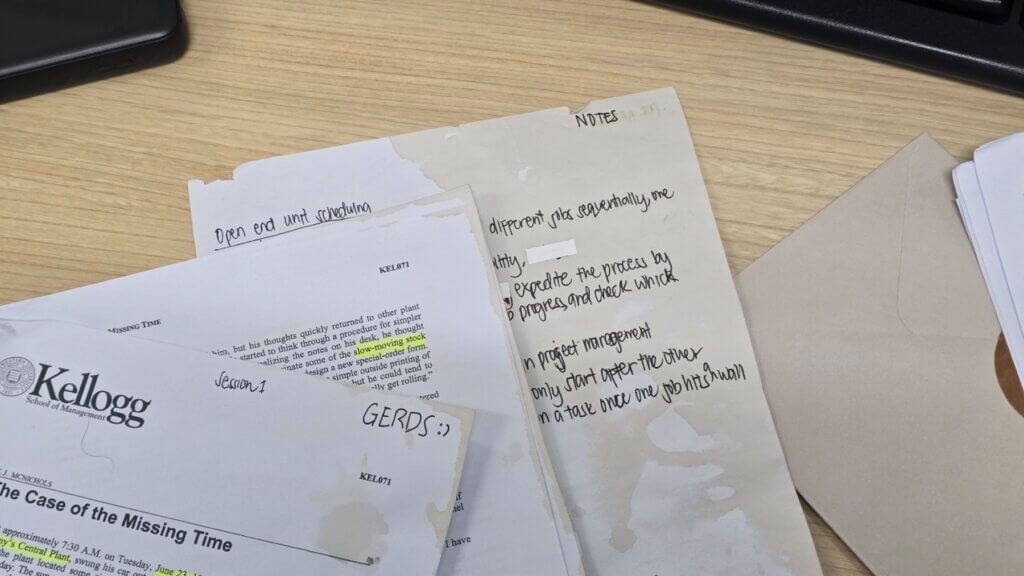
It wasn’t. It was just life. And life, as the session would show, rarely follows a perfect schedule.
There I was inside the class, pants slightly damp, coffee-stained case study curling like a vintage love letter, and my scent a bold blend of Bench Atlantis with top notes of hot French vanilla, large-sized. A smile still tried to break through, a little uneasy, as I greeted the classmates already settled in.
Chet Craig’s Day and Mine
We opened with “The Case of the Missing Time,” the story of Chet Craig, a manager whose day disappeared under interruptions, urgent requests, and other people’s problems. He planned to finish important unit planning. Instead, he ended the day with nothing meaningful done—except working late.
At first, the case felt like a lesson in poor time management. Then it felt familiar. How often do our real priorities vanish beneath a pile of “urgent” things that only feel important because they shout the loudest? The case didn’t just describe Chet. It described all of us.
Learning From the Top: Energy Over Hours
Our session was facilitated by our President and CEO, Ms. Carol Dominguez. That alone made it special. She opened a window into her own packed schedule and shared a simple but powerful truth: she stays on top of everything not by squeezing more hours, but by managing her energy.
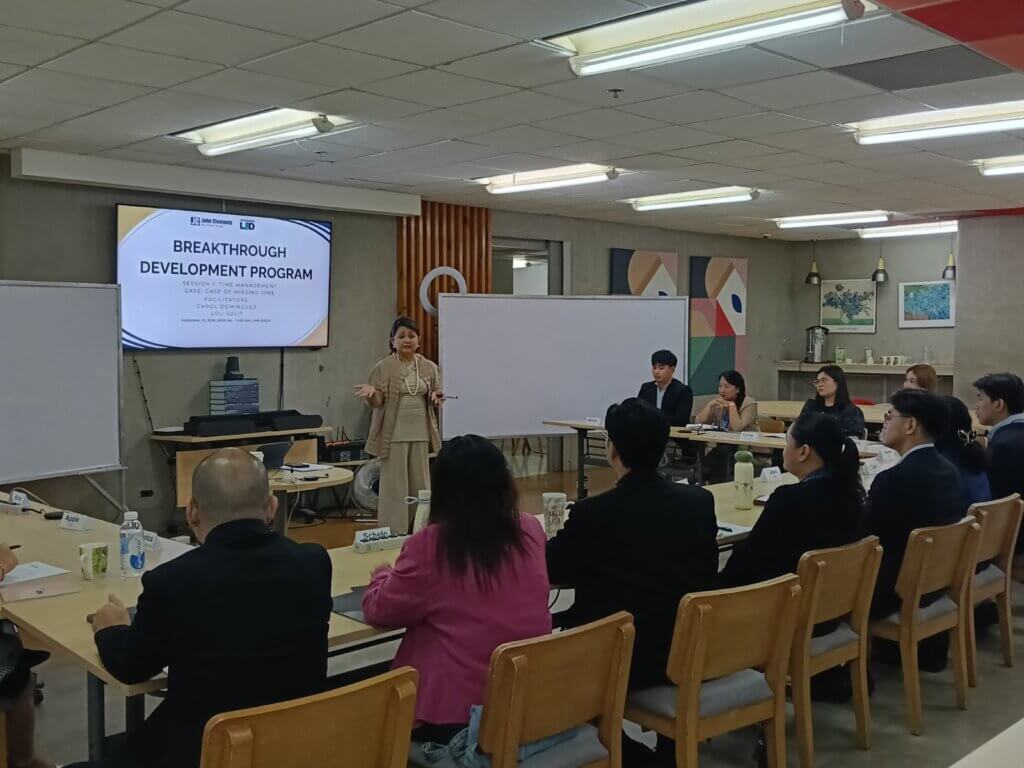
Energy, not time, often determines what gets done well. When your energy is high, you make better choices, move faster, and protect what matters. When it’s low, even a free hour can disappear into noise.
What I Shared and What I Want to Build
During introductions, I told the class that BDP wouldn’t just help me at work. It would shape how I navigate my personal life too. I also admitted something I don’t say out loud often: I want to build the confidence to stand comfortably with higher-ups and executives. I know I have what it takes. But tenure and status can still intimidate me.
For time management, I shared my system: a checklist spreadsheet that syncs across all my devices. There’s a small joy in seeing every task crossed out by day’s end. That reward keeps me honest.
The Team Exercise: Scheduling Chet’s Day
We broke into groups of four and built a realistic schedule for Chet. Our group clicked. Ideas bounced fast. We challenged each other’s assumptions and landed on a plan that protected deep work, scheduled buffers, and set clear boundaries around interruptions.
The activity proved a point we kept hearing: time management isn’t a solo sport. It’s a team design problem. We need shared norms, clear priorities, and the courage to say “not now” to good ideas so the best ones can breathe.
Key Takeaways from Session One
- Time is a luxury. Not everyone has it. And when you do, you can lose it in minutes if you don’t guard it.
- This session opened more than my calendar. It opened my view of how I lead my life—inside and outside the office.
- Collaboration mattered. I met classmates I see every day but rarely talk to. Listening to their approaches revealed new ways to think, plan, and create.
- The hype was real. Friends who joined earlier BDP batches cheered me on. Now I understand why. They weren’t just selling a program. They were inviting me into a mindset.
From “Urgent” to “Important”: A Simple Shift
The biggest shift for me was reframing urgency. Urgent tasks demand attention. Important tasks build the future. Chet’s day showed what happens when urgency wins every round. My coffee spill showed what happens when we let a small setback dictate our mood.
- The fix isn’t heroic. It’s habitual:
- Name your top three priorities before the day starts.
- Block time for deep work like you block a meeting with the CEO.
- Treat interruptions as requests, not commands. Ask: “Does this move my top three forward?”
- Protect recovery. Energy management means rest is part of the plan, not a reward after everything is done.
Why The BDP Feels Different
Many training programs teach tools. BDP teaches identity. It asks: Who do you want to be when the day gets loud? Who shows up when priorities collide? The answer isn’t a perfect schedule. It’s a practiced stance—calm, clear, and committed to what matters. I will not let urgency steal my importance. I will not let intimidation shrink my voice. And I will treat time like the luxury it is.
Your Turn: Make Time Visible
If this story resonates, start small. Tonight, write down your top three priorities for tomorrow. Block 60–90 minutes for one of them. Protect that block like a client meeting. Tomorrow, notice what changes when you lead with importance instead of urgency.
Then keep going. Join the conversation. Explore how John Clements develops leaders who manage time, energy, and influence with intention. Visit the John Clements page to learn more about the Breakthrough Development Program and other initiatives that turn potential into performance.
Time will keep moving. The question is: what will you move with it?

