
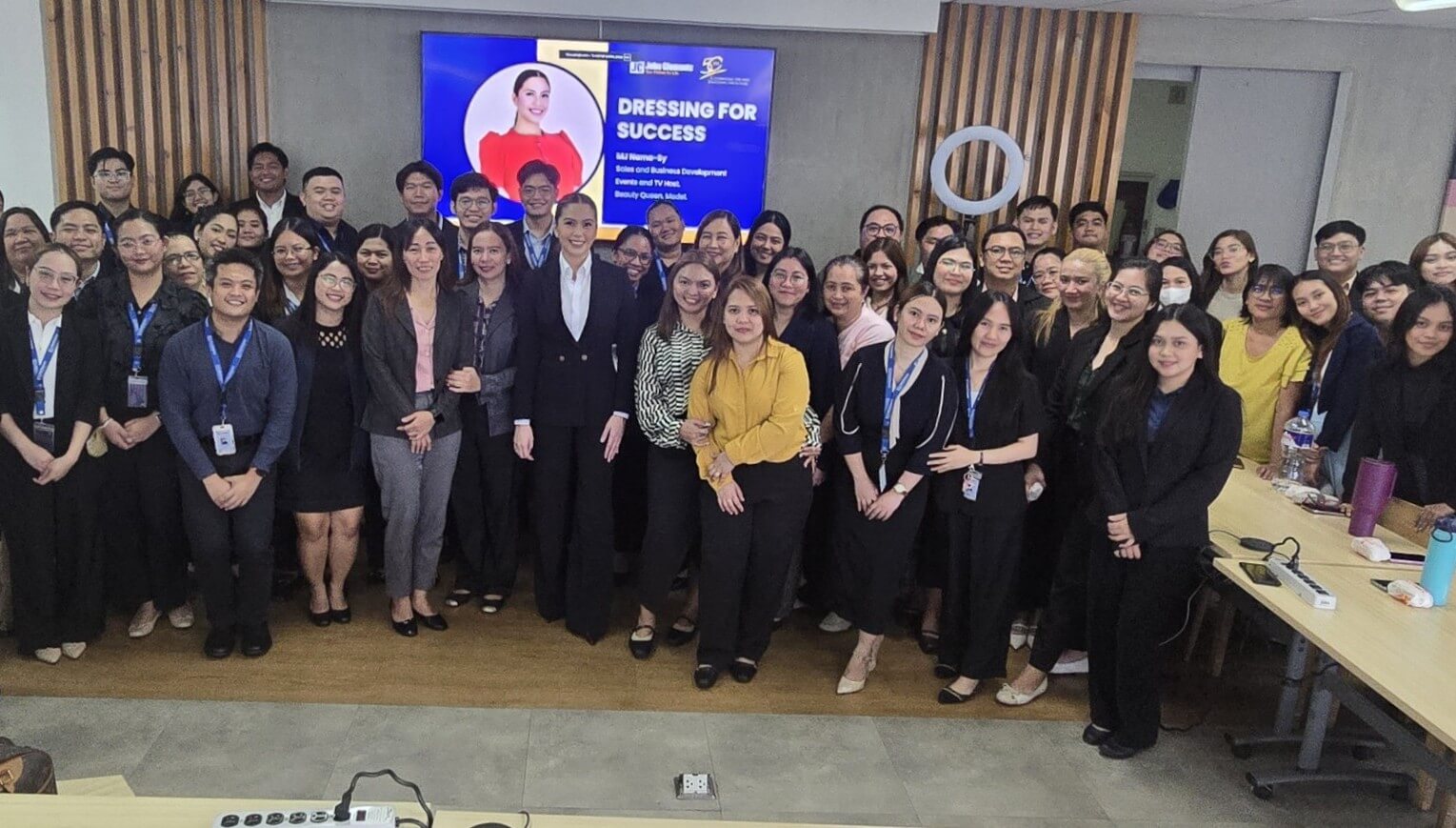
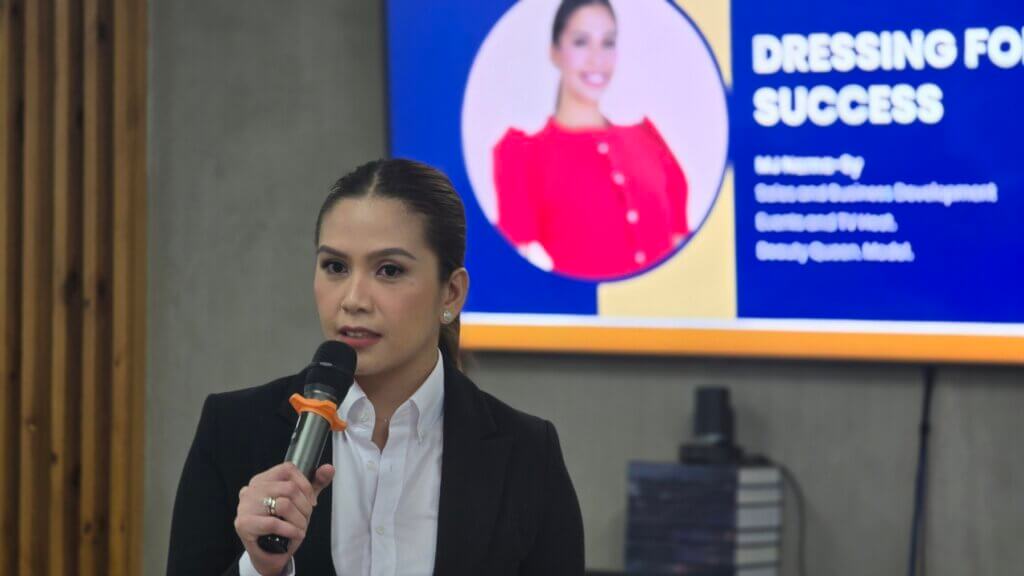
Dressing professionally is not only about wearing stylish or expensive clothes. It is also about showing confidence, respect, and professionalism through the way we present ourselves. During the session “From Drab to Fab: Dressing Your Way to the Top,” facilitated by Ms. MJ Nama-Sy, I learned that confidence is the foundation of professional dressing. When we feel confident in what we wear, we carry ourselves better and interact with others more effectively. I also learned the value of understanding our body shape and face shape. Knowing these factors helps us choose clothing, hairstyles, and styles that complement our features and make us feel comfortable.
Building Confidence Through Appearance
Understanding What Works for You
One of the most important lessons from the session was that confidence starts with self-awareness. Specifically, understanding our body shape and personal style helps us make better wardrobe choices.
Furthermore, clothing that fits well often creates a stronger impression than clothing that simply follows trends. When we feel comfortable in our appearance, we can focus more on our responsibilities and less on how we look.
Research from the Society for Human Resource Management (SHRM) highlights the importance of workplace professionalism and appearance in creating positive impressions:
Consequently, professional dressing becomes a practical tool for building confidence and credibility in the workplace.
Choosing the Right Attire for Every Occasion
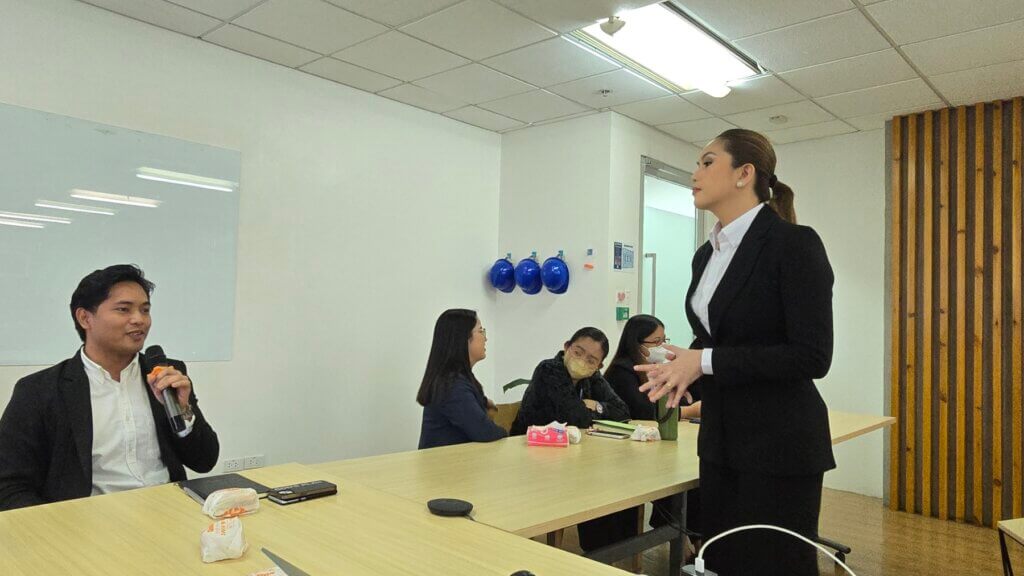
Another key lesson involved selecting appropriate clothing based on the setting. There is a clear difference between casual, business casual, and business formal attire. During the session, Ms. Nama-Sy showed photos of individuals wearing different outfits, and participants identified which category each outfit belonged to.
This activity reinforced an important message: not every outfit suits every occasion.
Key Elements of Workplace Attire
For a professional environment, consider the following:
- Choose neat and well-fitted clothing.
- Wear solid, dark, or neutral colors for a polished appearance.
- Use lighter colors for layering when appropriate.
- Select clean and comfortable shoes.
- Keep accessories simple and coordinated.
In contrast, overly casual clothing may not reflect the level of professionalism expected in many workplaces.
Guidelines on workplace standards and professionalism can also be found through government labor resources:
Understanding these principles makes professional dressing more intentional and effective.
Building a Smart and Versatile Wardrobe
Applying the 10:3 Outfit Rule
One practical concept introduced during the session was the 10:3 outfit rule. Before purchasing a new clothing item, ask yourself two simple questions:
- Can this item be paired with at least 10 pieces already in my wardrobe?
- Can it be matched with at least three different colors?
This approach encourages smarter shopping decisions and helps maximize wardrobe flexibility.
Furthermore, Ms. Nama-Sy emphasized the importance of fit and comfort. Clothes do not need to carry a high price tag to look professional. Instead, they should fit well, feel comfortable, and support confidence throughout the workday.
As a result, professional dressing becomes more about thoughtful choices than expensive purchases.
The Dos and Don’ts of Business Attire
The session also covered the essential dos and don’ts of business casual and business formal clothing.
Best Practices
- Dress appropriately for the occasion.
- Wear clean and well-maintained clothing.
- Coordinate colors and styles.
- Keep accessories understated.
- Ensure shoes are polished and workplace appropriate.
Common Mistakes to Avoid
- Overly casual clothing.
- Randomly mixed separates that lack coordination.
- Excessive accessories.
- Extremely bright neon colors.
- Clothing that is overly tight or distracting.
Importantly, professional dressing does not prevent personal expression. Instead, it teaches us when and how to express our individuality in a workplace-appropriate manner.
Professional Dressing and Personal Branding
One insight that stood out during the session was the idea that building a personal brand influence how others perceive and respect us. Before we speak, our appearance often communicates confidence, responsibility, and professionalism.
In today’s competitive workplace, first impressions matter. Therefore, the way we dress can support both our professional image and career growth.
Ultimately, professional dressing is about more than clothing. It is about confidence, self-awareness, appropriate attire, comfort, and respect for those around us. When we dress with purpose, we not only look prepared but also feel ready to take on new opportunities and challenges.
It’s The Small Choices
The session reminded us that success often begins with the small choices we make every day. Dressing appropriately helps create positive impressions, strengthens credibility, and supports personal growth. By understanding what suits us, dressing for the occasion, and prioritizing comfort and professionalism, we can present the best version of ourselves in any setting.
For organizations seeking expert guidance on professional development, workplace excellence, and talent management, connect with John Clements today: https://www.johnclements.com/contact-us/

