
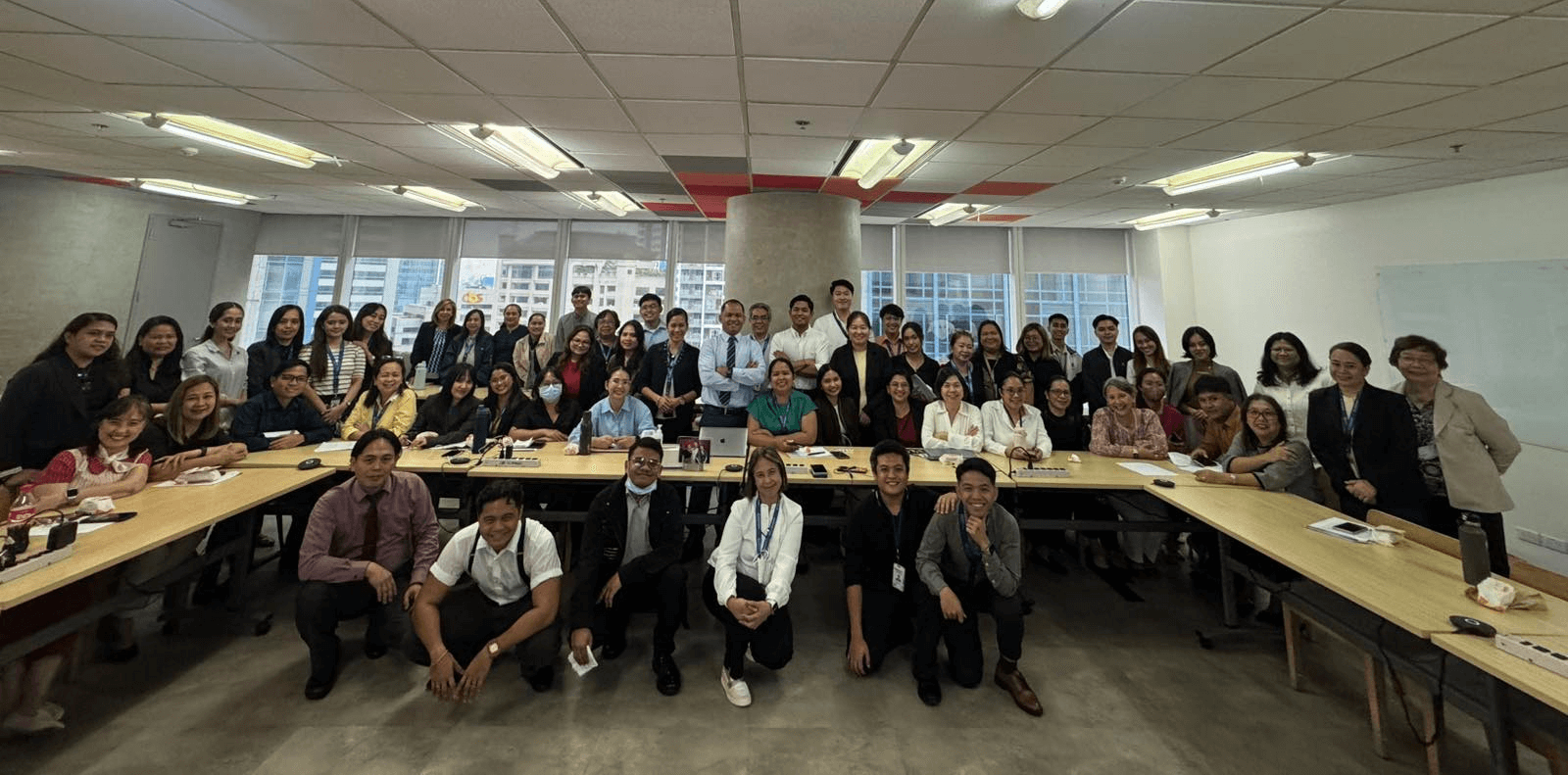
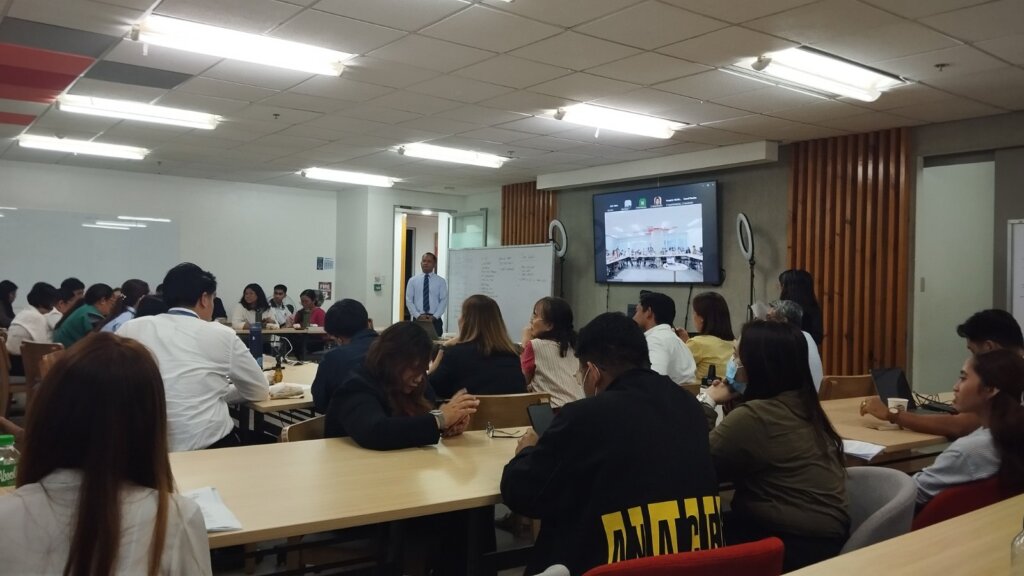
Time management isn’t just about ticking off tasks—it’s about designing a life that works. In a recent learning and development session facilitated by Mr. Patrick Dayao, we explored the inspiring journey of Ryan Serhant, a real estate broker who turned time into his most valuable asset.
From Chaos to Clarity
Like many professionals in Metro Manila and beyond, I’ve struggled with time management. My days often felt chaotic, and I assumed the solution was a better to-do list. However, Serhant’s story reframed my thinking. Time isn’t just something to pass—it’s a resource to be invested wisely.
The Rise of a Real Estate Broker
Initially, Ryan Serhant didn’t start out successful. He was an aspiring actor with little income and no client base. Fortunately, a friend introduced him to real estate, and from there, he built his career from the ground up. His early struggles were real—earning less than ten thousand dollars and working tirelessly to grow his network.
Time as a Commodity
Eventually, once Serhant found success, he treated time like currency. For example, he hired a full-time driver to maximize his commute and employed three personal assistants, including one just for email. His 1,000-Minute Rule calculates that after sleep and meals, we have roughly 1,000 minutes each day to use intentionally. In Serhant’s world, every minute counts.
Systems That Drive Efficiency
To stay focused, Serhant uses a system called Task Triage. It categorizes tasks into:
- Spend Your Minutes Here Now
- Spend Zero Minutes Here
- Spend Your Bonus Minutes Later
Additionally, he follows the Finder, Keeper, Doer method to structure his day—finding new clients, maintaining operations, and executing work. These systems, in turn, help him prioritize what truly matters.
The Power of a Time Audit
Among the most impactful strategies Serhant shared was the Time Audit. Specifically, he tracks every minute of his day for a week, then color-codes activities to assess alignment with his priorities. As a result, this data-driven approach reveals where time is actually going—and where it should be going instead.
A Wake-Up Call Through Practice
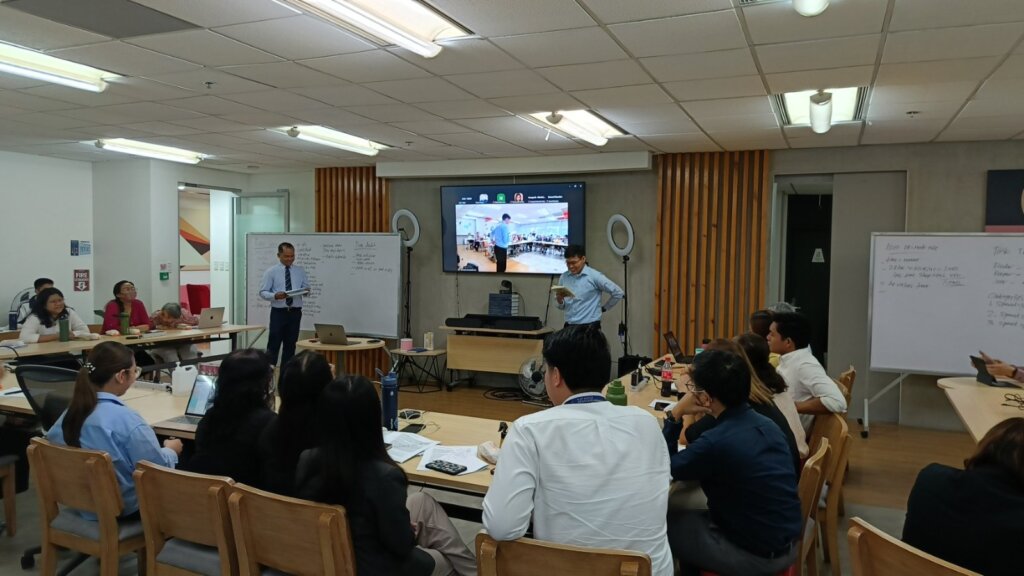
During our session, we conducted our own time audits. From wake-up to bedtime, we tracked and categorized every activity. Presenting our results was eye-opening. In fact, it showed how much time slips away unnoticed and how intentional tracking can lead to better delegation and focus.
Balancing Work and Life
Despite his intense schedule, Serhant prioritizes family. For instance, he holds weekly calendar meetings with his wife to stay aligned. This reminded me that success doesn’t require sacrificing personal life. On the contrary, with structure and intention, we can achieve professional goals while nurturing relationships that matter most.
Final Thoughts: Time as a Tool for Fulfillment
Ultimately, this session taught me that time management is more than productivity—it’s about building a life that reflects your values. By applying systems, auditing your time, and prioritizing balance, you gain control over your schedule and your future.
Want to explore more leadership and time management strategies?
Visit John Clements Learning Institute to learn about our upcoming programs and workshops.

