
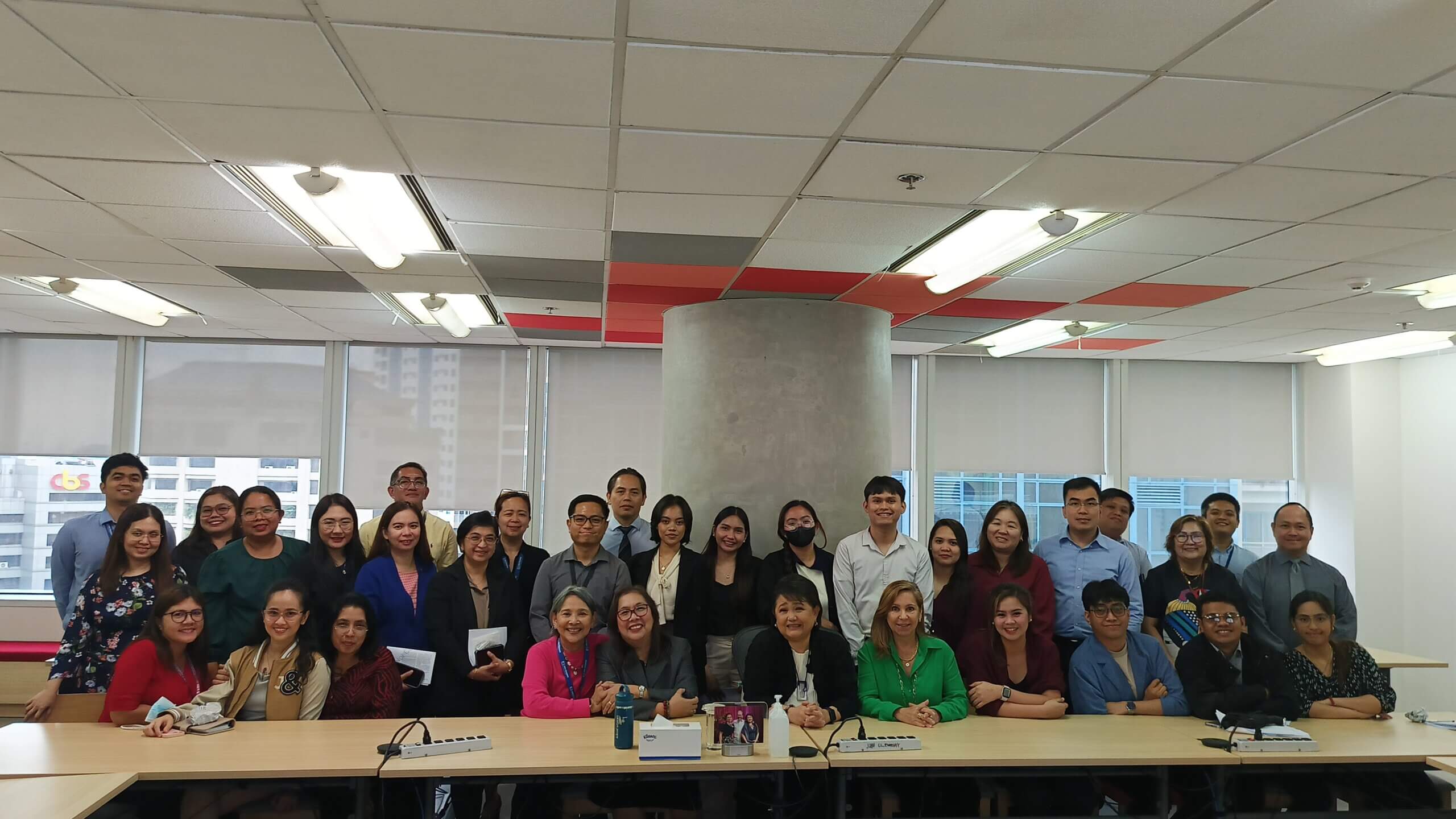
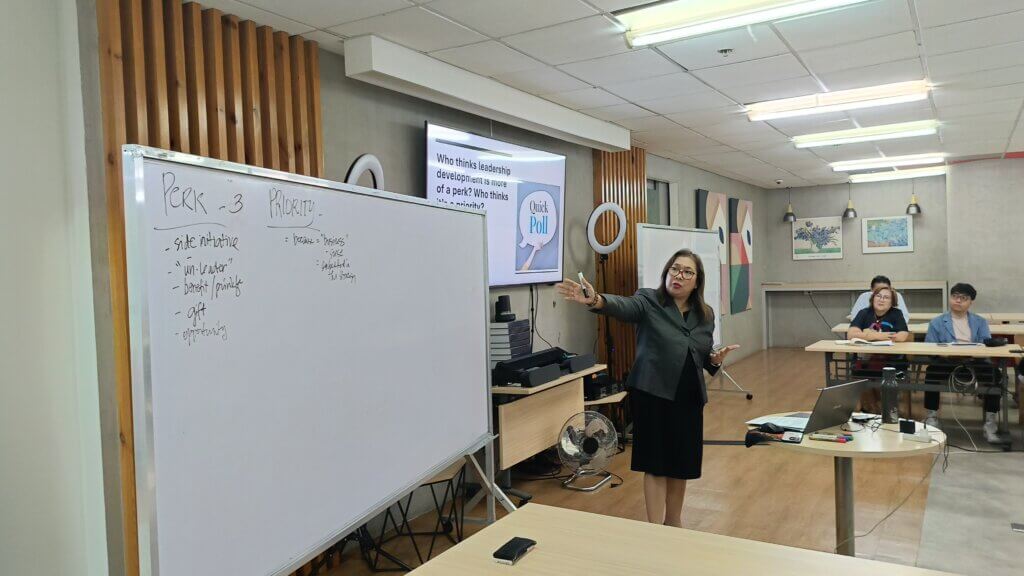
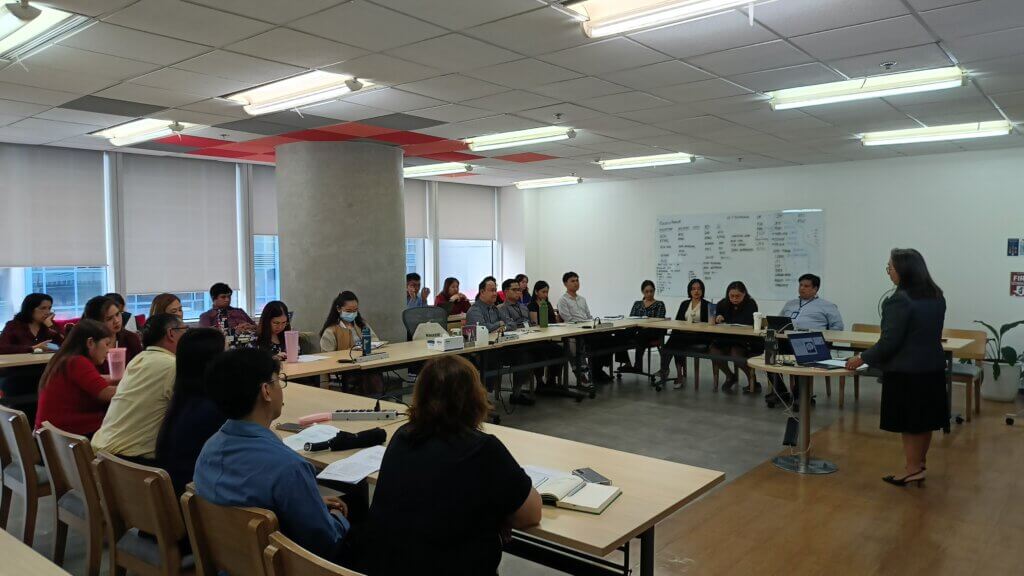
The Forge a Path to Leadership session highlighted the strategic importance of learning and development, using a compelling case study to examine whether leadership development is a discretionary perk or a business-critical priority. The case centered on Karen Barton, Senior Vice President of HR at Zendal Pharmaceuticals, who vigorously defended her leadership program after facing a drastic budget cut.
Learning as a Business Imperative
One consistent theme emerged: leadership development must not be dismissed as a luxury. Barton emphasized that building leadership capability is essential—especially during times of crisis or transition. When Zendal experienced declining sales and mounting debt, COO Dave Palmer criticized her proposed in-house program as mere “fun and games.” This sparked a key insight: unless leadership development is clearly aligned with business goals, it risks being marginalized or eliminated.
Tackling the ROI Question
The conflict between Barton and Palmer underscored the importance of demonstrating return on investment. Palmer, an economist by training, demanded measurable financial outcomes—such as increased sales, reduced turnover, or smoother post-acquisition integration. Consequently, the discussion revealed a critical lesson: HR leaders must speak the language of business to gain executive support. Leadership training should be tied to metrics that resonate with decision-makers.
Aligning Strategy with Organizational Goals
Barton identified how her program could address Zendal’s pressing challenges, including integrating employees from a recent acquisition and supporting the CEO’s vision to unify the company. Likewise, session participants agreed that leadership initiatives must directly support strategic priorities—whether boosting revenue, enhancing operational efficiency, or preserving company culture during change.
Another example came from Dreyer’s Ice Cream, which continued investing in leadership development during a financial crisis. This demonstrated that consistent investment in people fuels long-term growth, even in turbulent times.
Principles of Leadership Excellence
To close the session, participants explored five enduring principles of leadership excellence that transcend financial debates:
- Showing Up – Being present and actively engaged
- Acknowledgement – Recognizing and celebrating contributions
- Unique Treatment – Tailoring development to individual needs
- Self-Perception – Cultivating self-awareness and openness to feedback
- Developing People – Building a legacy by nurturing future leaders
These principles serve as a foundation for impactful leadership, regardless of budget constraints.
Final Reflections: From Cost Center to Growth Driver
The Barton case sharpened participants’ understanding of the real-world challenges HR leaders face when justifying development investments. The session made it clear: leadership training is not a cost center—it’s a catalyst for growth. The key lies in reframing development programs from abstract “nice-to-haves” into concrete business solutions.
Leadership development must be treated as a strategic priority. To gain executive buy-in, programs should align with business objectives, demonstrate measurable ROI, and cultivate leaders who empower others and drive lasting impact.
Turn Leadership Development Into Measurable Impact
Insights from Forge a Path to Leadership affirm that leadership development is more than a perk—it’s a business-critical investment. At John Clements Consultants, we design leadership programs that align with organizational goals and deliver measurable results.
Ready to transform your leadership strategy? Contact us today and let’s build the leaders of tomorrow.

