

What does it really mean to become a manager?
Before attending the first session of the John Clements New Managers Program, facilitated by Dr. Grace Alcid, I thought management was mostly about leading people, assigning work, and making decisions. However, after the session, I realized that understanding your role as a manager goes beyond authority and responsibility. It involves understanding people, adapting to different situations, and making decisions that balance business goals with human relationships.
The session began with a simple question from our facilitator:
“What are your expectations for this session?”
Although participants came from different teams and backgrounds, their responses shared a common theme. Some wanted to improve their people management skills. Others hoped to strengthen their self-assessment, decision-making, communication, and critical thinking abilities. Several participants also expected the discussion to be interactive and engaging.
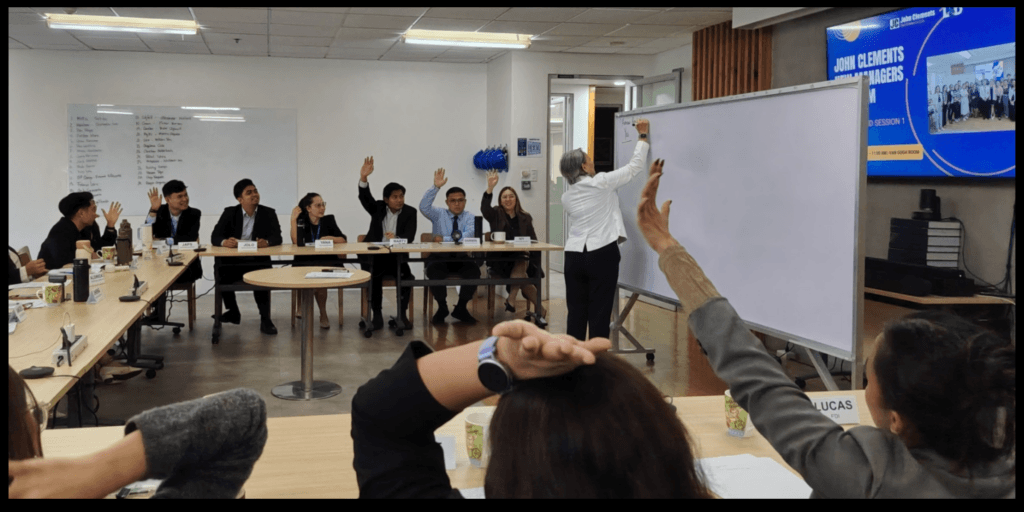
This opening activity immediately set the tone for the session. It showed that management is not defined by a single skill. Instead, it requires continuous learning and growth across multiple areas. In many ways, this reflects the importance of leadership development for managers in today’s workplace.
Why Managing People Is More Complex Than It Looks
One discussion that stood out focused on how managers receive and respond to feedback.
A key reminder from the session was that negative comments are part of the process. As managers, criticism and difficult feedback are unavoidable. Consequently, leaders must learn to process comments objectively rather than react emotionally.
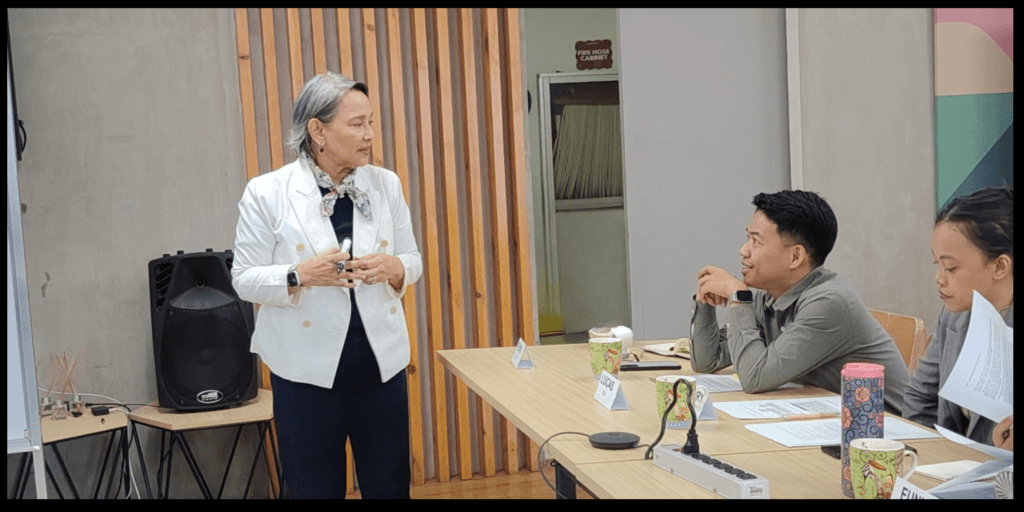
Another topic that encouraged reflection was cultural adaptability. People work differently because they bring unique experiences, values, and work styles to the table. Effective management does not mean treating everyone the same way. Instead, it means understanding when and how to adapt while maintaining fairness and accountability.
The Value of 360-Degree Feedback
We also discussed the concept of a 360-degree performance evaluation. This approach shows that performance and leadership should be viewed from several perspectives, not just one.
Feedback may come from:
- Direct reports
- Peers
- Immediate supervisors
- Self-assessments
Specifically, this process encourages self-awareness and continuous improvement. It also supports leadership development for managers by helping leaders understand how others experience their leadership style.
Organizations worldwide recognize the value of employee development and leadership effectiveness. For additional workplace and employment insights, visit: https://www.dole.gov.ph and https://www.csc.gov.ph
Leadership Requires Looking Beyond Individual Performance
One of the most valuable lessons from the session was realizing that management decisions are rarely straightforward.
Through group discussions, participants examined scenarios involving performance, behavior, and team impact. Some viewpoints focused on business results and measurable contributions. In contrast, others emphasized workplace relationships, collaboration, and long-term team dynamics.
Balancing Results and People
The discussion highlighted an important truth: effective leadership is not about choosing the easiest answer.
Managers must evaluate several factors before making decisions, including:
- Performance outcomes
- Employee development
- Organizational objectives
- Team morale and collaboration
- Long-term business impact
Furthermore, successful leaders understand that decisions are rarely black and white.
There is not always a perfect solution.
Instead, managers must weigh different perspectives and make informed decisions that support sustainable results. This balanced approach plays a critical role in leadership development for managers, especially when navigating complex workplace situations.
Leadership Practices Every New Manager Should Develop
As the session concluded, our facilitator shared practical techniques that new managers can apply immediately.
Key Leadership Practices
- Delegate effectively and provide appropriate support.
- Communicate openly, even when conversations are difficult.
- Listen carefully and understand what motivates team members.
- Keep communication clear, simple, and direct.
- Encourage honest, two-way feedback.
- Operate with transparency and accountability.
- Recognize individual strengths within the team.
- Celebrate success as a collective achievement.
- Build trust through strong professional relationships.
These practices may appear simple, but their impact can be significant. When applied consistently, they strengthen trust, improve engagement, and support leadership development for managers across every level of an organization.
A Manager’s Core Responsibilities
The session also reinforced several important responsibilities that every manager must embrace:
- Set clear expectations and goals.
- Develop employees continuously.
- Address concerns promptly.
- Maintain accountability through regular communication.
- Create opportunities for professional growth.
Another important reminder involved allowing employees to learn from their mistakes. Rather than solving every problem for them, managers should provide guidance, support, and coaching. This approach encourages ownership, confidence, and long-term growth.
Leadership Starts with Understanding People
If there is one lesson I took away from our first New Managers Program session, it is that being a manager is not simply about authority. It is about making thoughtful decisions, building trust, and creating an environment where people can succeed.
True leadership begins with understanding people. It requires strong communication, emotional intelligence, and a willingness to learn continuously. Most importantly, it requires recognizing that success is rarely achieved alone.
Understanding your role as a manager means seeing both the bigger picture and the people behind the results. As organizations continue to evolve, leadership development for managers remains essential for building strong teams, driving performance, and creating lasting workplace success.
Ready to Develop Stronger Leaders?
Investing in management and leadership capabilities helps organizations improve performance, strengthen engagement, and prepare future leaders for success.
To learn more about leadership and management development programs, contact the John Clements Leadership Institute today.

