

Key Takeaways
- 360-degree feedback gathers input from managers, peers, direct reports, and the leader, creating a fuller picture than any single opinion.
- Zenger Folkman encourages leaders to build on their strengths while fixing any “fatal flaws.”
- Balanced feedback recognizes what people do well, not just what they need to improve.
- Assessment results give leadership coaching a structured, data-driven starting point.
- Leadership coaching turns feedback into actionable development plans.
- Growth begins when you treat feedback as information, not as a measure of your worth.
Ask most managers whether they are doing well at work, and many will nod with confidence. Yet how we see ourselves does not always match how others see us. That gap is exactly where 360-degree feedback proves its value. At its best, it offers a well-rounded view of how others experience your leadership, communication, and contribution.
I recently had the opportunity to program manage two Zenger Folkman debrief sessions: one with leaders from the Manila Polo Club and another with members of the Filipina CEO Circle. The participants differed, but both sessions reached the same conclusion. Feedback works best when it helps people grow, not when it simply points out flaws.
Why Feedback Can Feel Uncomfortable
As much as I value feedback, I have often dreaded hearing “You should have…” or “Next time, you should…” from a superior. Even when shared with good intentions, criticism can overshadow accomplishments that took real effort. Over time, I developed a constant fear that another critique might appear, even when I was meeting expectations.
There is something deeply uncomfortable about being perceived. When people observe your work, they form opinions about how you think and perform, even if they do not fully know you. When criticism becomes routine, you start spending more energy avoiding mistakes than doing meaningful work.
This fear often starts early. Many of us grew up focusing on weaknesses through school grades, sports, or other achievements. Negative feedback does serve a purpose: it addresses issues that limit growth. Problems arise, however, when we fixate on shortcomings and overlook the strengths that already drive our success.
Understanding 360-Degree Feedback
As its name suggests, a 360-degree assessment gathers feedback from multiple perspectives: the individual, their managers or supervisors, peers, and, where applicable, direct reports. Rather than relying on self-assessment alone, it shows how a person’s behavior and performance affect those around them.
The framework is not new, but organizations keep finding new ways to apply the insights it produces. According to the Society for Human Resource Management (SHRM), multi-rater feedback can help organizations strengthen leadership development and improve self-awareness.
The key is balance. Effective feedback combines recognition of strengths with opportunities for improvement, and organizations that emphasize employee development encourage leaders to build constructive, supportive feedback environments.
Inside the Debrief Sessions
Before each session, participants completed evaluation forms and invited feedback from their managers, peers, and direct reports. The debriefs then helped them make sense of the results and decide what to do next.
Session 1: Manila Polo Club x Zenger Folkman Debrief
Ten leaders from across the Manila Polo Club joined this session, representing Human Resources, Finance, Legal, Sales, Sports & Athletics, and Food & Beverage. Although I was not a participant, I closely observed the discussions as program manager.
Tully Moss (certified by both Zenger Folkman and The Leadership Circle as a coach for 360-degree assessments) walked participants through how to interpret their results, including the symbols and data in their reports. More importantly, the discussion focused on how each leader could use those insights to improve performance and leadership effectiveness. This is where 360-degree feedback differs from many traditional evaluations. It does more than identify strengths and weaknesses. It provides a roadmap for growth.
The standout lesson was the power of building on strengths. Many people assume development means fixing weaknesses above all else. The session showed instead that exceptional performance often comes from maximizing existing strengths while addressing critical shortcomings. Specifically, balanced feedback should help individuals:
- Understand their strengths more clearly.
- Identify meaningful growth opportunities.
- Recognize behaviors that drive success.
- Address critical weaknesses or “fatal flaws.”
Listening to the discussion, I realized that effective 360-degree feedback helps people see a more complete picture of themselves. It reveals not only what needs improvement but also what deserves further development.
Session 2: Filipina CEO Circle x Zenger Folkman Debrief
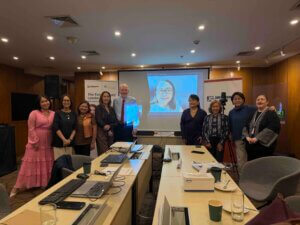
The second session brought together Filipina CEOs to review their 360-degree assessment results. For these leaders, the debrief went beyond understanding scores. It explored the principles behind the assessment and the leadership philosophy that Zenger Folkman promotes.
The conversation centered on how assessment results can fuel leadership coaching. At the top of an organization, candid feedback becomes rare, so a structured, anonymous assessment gives CEOs a perspective they seldom receive. The session showed how coaches can use this data to explore perception gaps, uncover blind spots, and turn insights into concrete action plans.
The Two Sessions at a Glance
| Manila Polo Club | Filipina CEO Circle | |
|---|---|---|
| Participants | 10 leaders from HR, Finance, Legal, Sales, Sports & Athletics, and Food & Beverage | 10 CEOs |
| Focus | Reading the results and building on strengths | The philosophy behind the assessment and its role in leadership coaching |
| Key lesson | Balanced feedback shows what deserves further development, not just what needs fixing | Assessment data gives coaching a clear, focused starting point |

What Sets the Zenger Folkman Approach Apart
Most 360-degree assessments present strengths, weaknesses, and qualitative feedback. Zenger Folkman shifts the perspective in three important ways:
- Strengths first. It encourages leaders to build further on what they already do well, since these strengths often form the foundation for future growth.
- Fatal flaws addressed. It identifies serious weaknesses that require immediate attention, so focusing on strengths never means ignoring real problems.
- A global benchmark. It compares leaders against a global standard rather than against peers within one company or country, encouraging them to become both highly capable and deeply human.
When organizations recognize both strengths and improvement areas, employees gain a more accurate understanding of their capabilities and potential.
From Assessment to Action: The Role of Coaching
At first glance, a 360-degree assessment may look like any other tool. You complete a survey, receive a report, and reflect on the results. Its real value, however, shows up when you pair it with leadership coaching.
Instead of starting with limited information, coaches can use the results as a structured foundation. The data highlights patterns, strengths, and development areas from the very beginning, which makes coaching conversations more focused and productive.
Exploring Perception Gaps
Consider communication as an example. A leader may believe it is one of their strongest skills, while evaluators consistently score it lower. Rather than immediately labeling this a weakness, a coach can explore the difference with questions such as:
- What does effective communication mean to the leader?
- In which situations does their communication work best?
- When might the same communication style create a different experience for others?
These discussions often reveal valuable insights that shape future development efforts.
Uncovering Blind Spots
Another major benefit of 360-degree assessments is their ability to reveal blind spots, areas leaders rarely bring up in a coaching conversation on their own. Feedback then becomes an invitation to explore rather than a judgment to accept. A coach might ask, “What might your colleagues be experiencing that you are not currently seeing?”
From there, awareness can turn into action. Once a leader identifies an area for growth, the coach helps convert broad insights into specific behaviors and measurable goals.
Why the Coach Still Matters
Assessment data provides valuable information, but it does not replace the coach. Numbers reveal patterns, and comments highlight recurring themes. Yet neither can fully explain why those patterns exist or how to address them. Effective leadership coaching helps individuals:
- Interpret assessment results
- Challenge assumptions
- Explore root causes
- Identify development priorities
- Create meaningful action plans
In many ways, the Zenger Folkman 360-degree assessment serves as a personal roadmap. The assessment provides the data, the coach provides the questions, and the coachee does the work that turns insight into change.
Why Feedback Matters More as Leaders Advance
The higher people rise within an organization, the fewer opportunities they have for direct and candid feedback. A structured, anonymous assessment fills that gap by gathering perspectives from managers, peers, direct reports, and the leaders themselves. As a result, leaders gain a more balanced view of their effectiveness.
Organizations that prioritize continuous learning recognize this advantage. According to the Center for Creative Leadership, self-awareness and feedback remain important components of leadership effectiveness.
Learning to Accept Feedback and Move Forward
No one can avoid criticism completely. There will always be room to improve, and people will sometimes interpret our actions differently than we intended. Accepting this reality helps reduce the fear of being perceived.
That is the real value of 360-degree feedback. By drawing on multiple sources, it creates a more balanced and realistic picture than any single opinion can. One person’s feedback matters, but it should not define how we see ourselves. Likewise, those who give feedback share a responsibility to recognize what people already do well.
When we stop viewing feedback as a judgment of our worth and start using it as information for growth, being perceived becomes far less intimidating. The fear may never disappear completely, but we can keep moving forward, making decisions, and doing meaningful work despite it.
Continue Your Leadership Development
A 360-degree assessment is more than a feedback tool. When paired with leadership coaching, it becomes a framework for self-awareness, growth, and meaningful change.
To explore leadership development and executive coaching programs that help professionals unlock their potential, visit the John Clements Leadership Institute.

