
Feedback is one of the most powerful tools for personal and professional growth. It provides insight into our performance, highlights areas of excellence, and identifies opportunities for improvement. In the workplace, it often serves as the clearest indicator of progress—and sometimes the only one. Whether easy to hear or difficult to accept, feedback equips us with the awareness needed to evolve.
Shifting Perspective: The Growth Mindset
Approaching feedback with a growth mindset transforms how we perceive it. Rather than viewing it as criticism, we begin to see it as a valuable opportunity. This simple shift in thinking can significantly influence the trajectory of our careers and relationships.
Insights from Mr. Carlo Lao’s Session
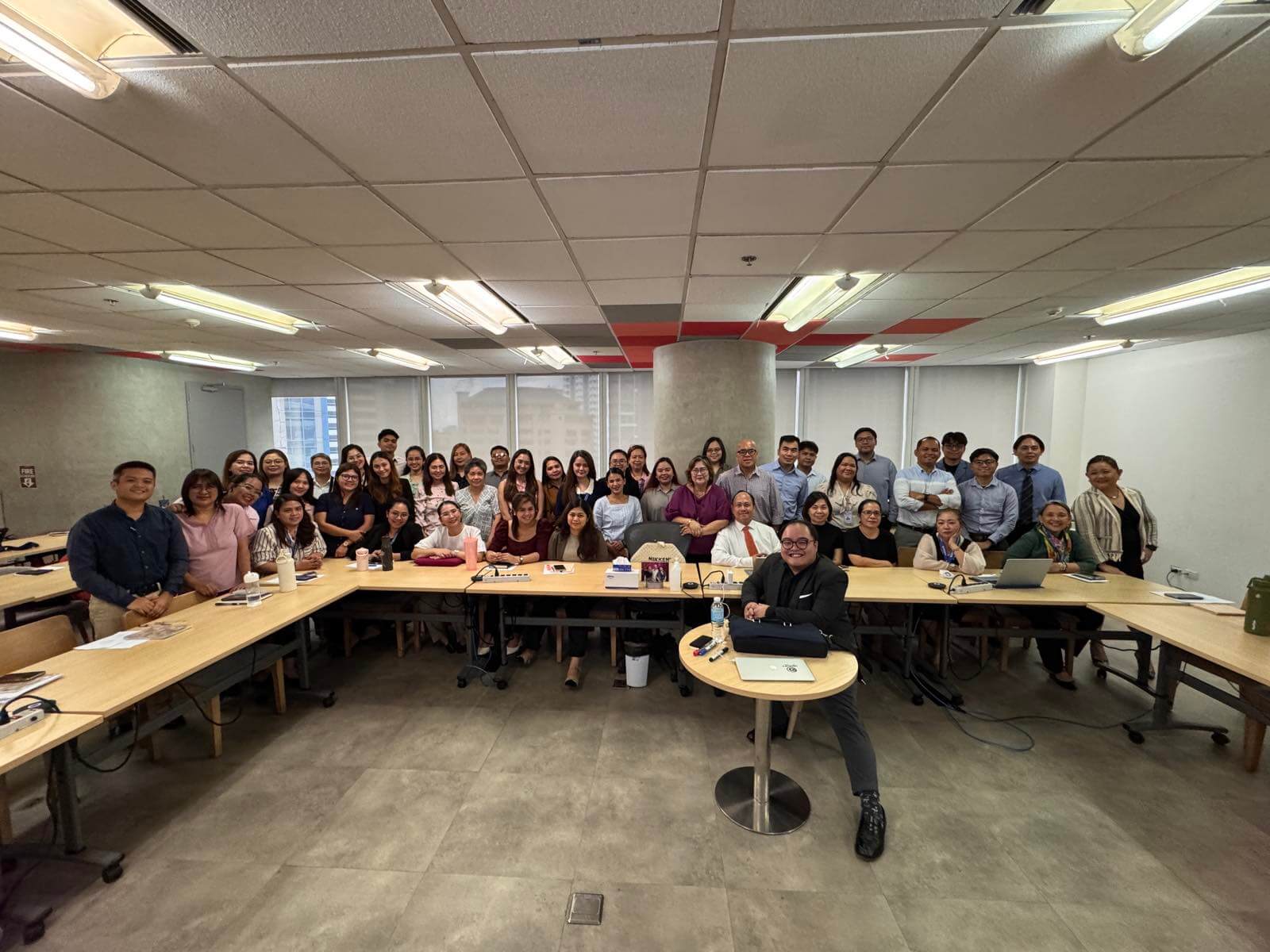
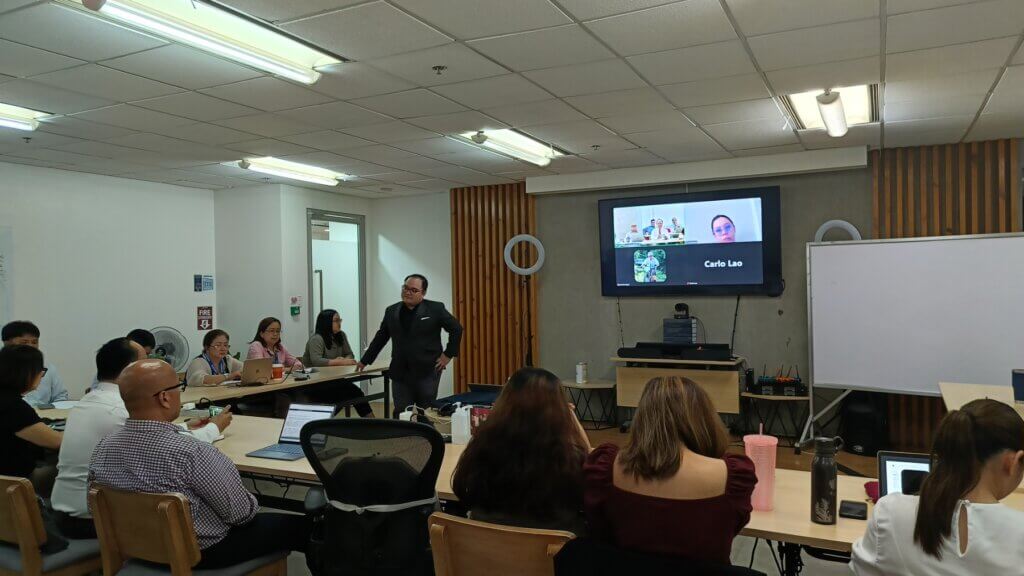
During our first session, Mr. Carlo Lao emphasized a fundamental truth: feedback is essential in the professional world. It acts as a “scorecard,” highlighting achievements, uncovering blind spots, and guiding us toward new development paths. With the right mindset, we can use this information to refine our skills, adopt better habits, and unlock our full potential.
A Real-World Example: Michael Lester’s Challenge
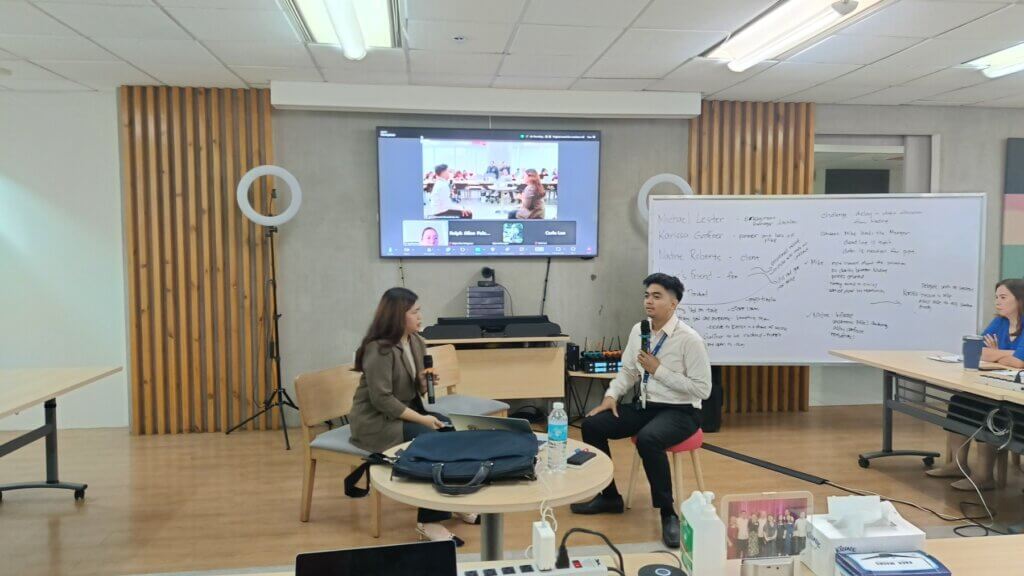
We also examined the story of Michael Lester, an engagement manager at Lachlan Consulting. He was assigned a high-pressure project that required collaboration and timely data from Nadine Roberts, a key executive at Wellman. Despite repeated requests, Roberts withheld crucial information, creating tension and roadblocks. Lester’s challenge was to navigate a difficult conversation without damaging a critical relationship.
As it turned out, Roberts was seeking innovation—not just data-driven insights. Her silence was intentional, designed to provoke creativity. This scenario underscored the importance of clear communication, emotional management, and understanding diverse perspectives during feedback exchanges.
Understanding Feedback through Theory
Lazarus’s Cognitive Appraisal Theory
Richard Lazarus’s Cognitive Appraisal Theory helps explain our reactions to feedback. First, Primary Appraisal determines whether feedback is perceived as a threat, challenge, or irrelevant. Then, Secondary Appraisal evaluates our ability to cope—considering emotional readiness, available resources, and potential responses. This two-step process influences whether we accept or reject feedback.
When feedback feels threatening, we may shut down. However, when it is framed as a challenge, we are more likely to engage constructively.
The SBI Model: Clear and Constructive Communication
The Situation-Behavior-Impact (SBI) Model offers a straightforward method for delivering feedback. By stating the situation, describing the behavior, and explaining the impact, we reduce emotional defensiveness and maintain focus on facts. This approach fosters clarity and encourages reflection—especially in high-stakes scenarios like Lester’s.
The Role of Emotional Intelligence
Our facilitator highlighted five emotional intelligence (EI) skills that are crucial for giving and receiving feedback effectively:
- Self-awareness – Recognizing our emotional tone
- Self-regulation – Staying calm under pressure
- Empathy – Understanding how feedback feels to others
- Motivation – Remaining committed to improvement
- Social skills – Framing feedback to build, not break, relationships
These skills help us navigate complex dynamics and ensure feedback becomes a bridge—not a barrier.
Feedback in Action: Key Takeaways
For the Giver of Feedback
- Be specific and concrete
- Balance positive and constructive points
- Focus on behavior, not identity
- Use the SBI Model for clarity
- Create psychological safety
- Encourage reflection and dialogue
For the Receiver of Feedback
- View feedback as valuable, not personal
- Reflect with honesty—look in the mirror
- Stay open, not defensive
- Listen actively and ask questions
- Understand the impact of your actions
- Seek the root cause of the feedback
- Prioritize what matters most
Final Thoughts
Feedback becomes transformative when approached with openness, curiosity, and courage. It’s not merely about correcting flaws—it’s about building something better. Whether you’re giving or receiving it, feedback demands emotional intelligence, self-awareness, and intentionality.
Michael Lester’s story reminds us that high-pressure environments require more than just data and deadlines—they call for meaningful conversations. By embracing feedback, applying tools like the SBI Model, and leaning into emotional intelligence, we can turn difficult moments into defining ones.
To respond productively, recognize feedback as a guide for growth. Reflect honestly, manage your emotions, and respond with intention. Show appreciation, identify specific areas for improvement, and share your action plan. When necessary, apologize, focus on impactful changes, and communicate progress to foster ongoing dialogue.
Ready to Turn Your Feedback into Your Next Breakthrough?
Embracing feedback is more than just a skill—it’s a career advantage. At John Clements Consultants, we believe that growth happens when people welcome challenges and use them as steppingstones for success. Whether you’re aiming to refine your leadership style, boost team performance, or strengthen workplace relationships, our experts are here to guide you.
Take the next step in your growth journey. Contact us today and discover how we can help you and your organization.

