

Having worked for more than 10 years as a Senior Recruitment Consultant, particularly in the Middle East, I can relate to this challenge. In recruitment, clients expect us to provide qualified candidates, meet deadlines, coordinate interviews, and keep the hiring process moving efficiently. At the same time, we must manage our workload, collaborate with colleagues, and address the needs of applicants. Through experience, I have learned that keeping clients happy is important, but supporting employees and fostering strong candidate relationships matters just as much.
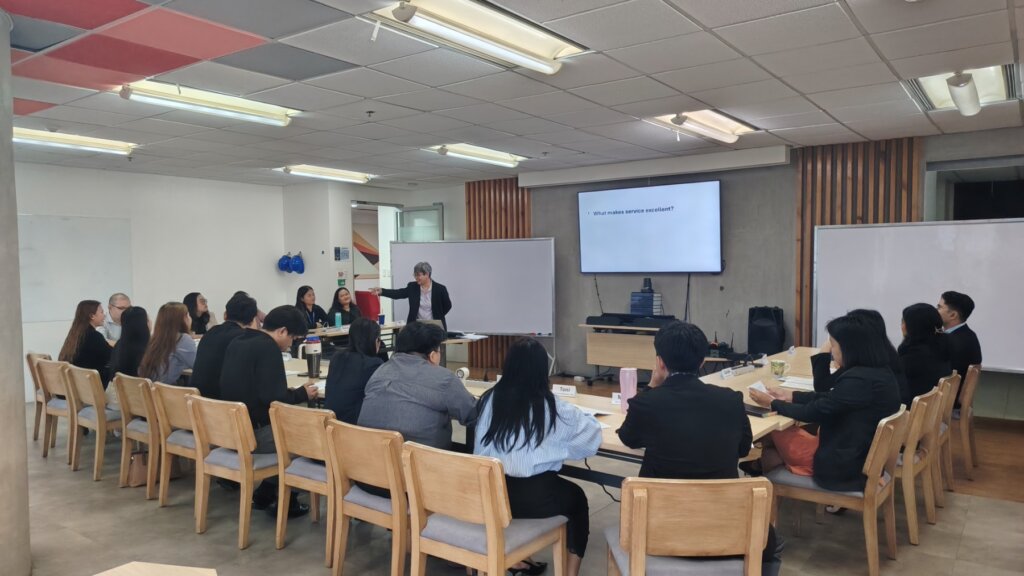
Why Customer Satisfaction Matters in Recruitment
In recruitment, customer satisfaction means understanding client requirements and delivering quality service that meets those expectations. Clients rely on recruiters to source qualified candidates, coordinate interviews, monitor hiring progress, and ensure applicants complete the necessary requirements.
Challenges often arise. Urgent manpower requests, shifting interview schedules, delayed documents, and candidate withdrawals can all affect recruitment timelines. Nevertheless, recruiters must remain organized, responsive, and committed to delivering results.
Furthermore, understanding client expectations should shape our decisions and actions. We need to:
- Listen carefully to client requirements
- Provide timely and accurate updates
- Communicate potential challenges early
- Offer practical solutions when issues arise
- Build long-term professional relationships
By doing so, we earn trust and strengthen partnerships.
However, customer satisfaction should not mean agreeing to every request without considering available resources and team capacity. Instead, recruiters must manage expectations, set realistic timelines, and communicate openly about potential obstacles.
According to the Society for Human Resource Management (SHRM), effective talent acquisition relies heavily on communication, candidate experience, and strong employer-client relationships:
The Impact of Workplace Pressure
The Amazon case study demonstrates that an intense focus on performance and customer expectations can create significant pressure for employees.
In recruitment, professionals often juggle multiple vacancies, coordinate numerous interviews, follow up on candidate requirements, and respond to urgent client concerns simultaneously. As responsibilities increase, maintaining quality while meeting deadlines becomes more difficult.
Consequently, excessive pressure may affect:
- Employee motivation
- Productivity
- Work quality
- Engagement levels
- Overall well-being
As recruitment professionals, we accept the responsibility of meeting targets. Yet employees also need manageable workloads, clear direction, effective teamwork, and managerial support. Even highly committed individuals can experience stress when expectations exceed available resources.
For me, productivity is not simply about completing more tasks. It is about producing quality work, communicating effectively, and maintaining consistency under pressure.
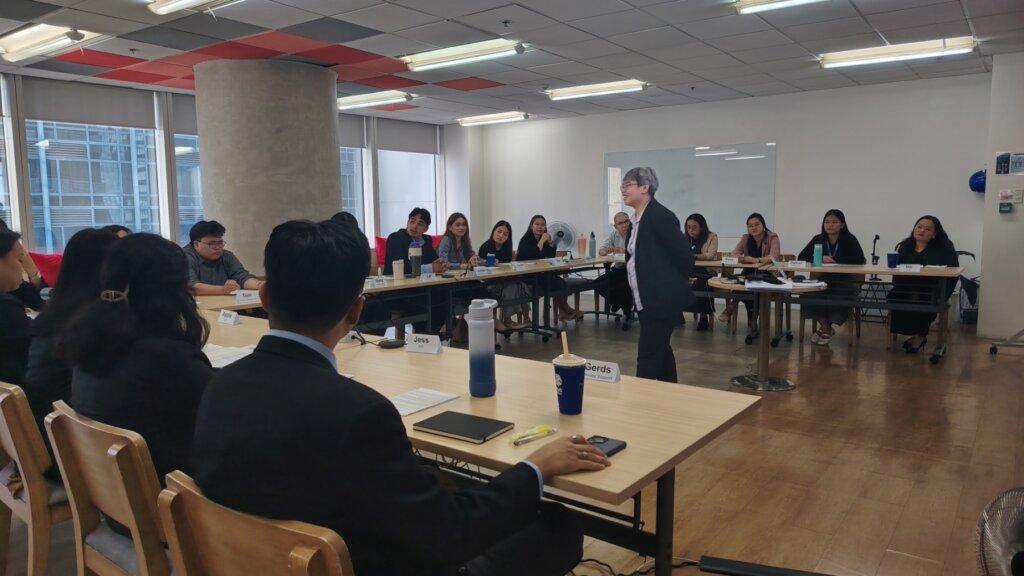
Why Employee Engagement Drives Results
Employee engagement plays a vital role in achieving organizational goals. Employees who feel respected, valued, and supported are often more motivated to perform at a high level.
This is especially true in recruitment, where success depends on coordination among recruiters, documentation teams, visa-processing personnel, clients, and applicants. A single delay or misunderstanding can disrupt the entire process.
Building a Strong Recruitment Team
Strong employee engagement often stems from:
- Open communication
- Mutual respect
- Shared accountability
- Team collaboration
- Supportive leadership
When team members communicate clearly and assist one another, work becomes more manageable and objectives become easier to achieve.
Similarly, managers play an important role by listening to concerns, recognizing contributions, and providing guidance when challenges arise. However, engagement is not management’s responsibility alone. Every employee contributes to workplace culture through their actions, attitude, and willingness to support colleagues.
Research from the Project Management Institute also emphasizes the importance of communication and collaboration in team success:
Balancing Client Needs and Employee Engagement
Based on my experience, organizations can balance client expectations and employee well-being through several practical strategies.
1. Set Clear Priorities and Realistic Deadlines
Urgent client needs require attention. However, leaders should also consider team workloads and resource availability. Proper planning helps reduce confusion and unnecessary stress.
2. Maintain Open Communication
Recruiters should feel comfortable discussing workload concerns, delays, and obstacles with their managers. Likewise, clients benefit from honest and timely updates that help establish realistic expectations.
3. Strengthen Teamwork
Recruitment is a collective effort. When responsibilities are shared appropriately, teams can deliver efficient service without overwhelming individual employees.
4. Recognize Employee Contributions
Achieving hiring targets, coordinating interviews, and resolving complex challenges require dedication and effort. Recognition and constructive feedback encourage continued performance and engagement.
5. Focus on People and Results
Organizations should evaluate success using more than output metrics alone. Alongside customer satisfaction, leaders should consider recruitment quality, candidate experience, teamwork, and employee well-being.
Key Lessons from the Amazon Case Study
The most valuable lesson I gained from Amazon’s experience is that achieving business goals should never come at the expense of the people who make those goals possible.
As recruitment professionals, we understand the importance of meeting client expectations. Clients depend on us to provide the right candidates at the right time. Nevertheless, recruitment also requires patience, adaptability, communication, and emotional resilience.
If I were leading a recruitment team, I would encourage members to stay focused on objectives while ensuring they receive the support necessary to succeed. I would:
- Listen to their concerns
- Help them prioritize workloads
- Encourage open communication
- Provide guidance during challenges
- Promote collaboration and accountability
I would also remind the team that candidates are critical stakeholders. They deserve clear instructions, timely updates, and respectful treatment. By treating clients, candidates, and colleagues with professionalism and empathy, we create a better recruitment experience for everyone.
Looking Ahead
The Amazon case study demonstrates that customer satisfaction and employee engagement should not compete with one another. Organizations need both to achieve long-term success.
Based on my experience in recruitment, excellent client service begins with a motivated and well-supported workforce. When employees have clear goals, manageable workloads, effective communication, and strong leadership, they are better equipped to meet expectations and deliver quality outcomes.
For me, true success extends beyond achieving targets. It involves building a team that works together, values one another, and remains committed to shared goals. Organizations that support their people while maintaining high standards of customer satisfaction are more likely to strengthen relationships, improve performance, and achieve sustainable growth.
My key takeaway is simple: When we take care of our people, they are better equipped to take care of our customers.
Strengthen Leadership for Sustainable Success
Developing leaders who can balance employee engagement with business performance is essential in today’s workplace. Learn how the John Clements Leadership Institute helps professionals build leadership capabilities that drive results while supporting people.

