
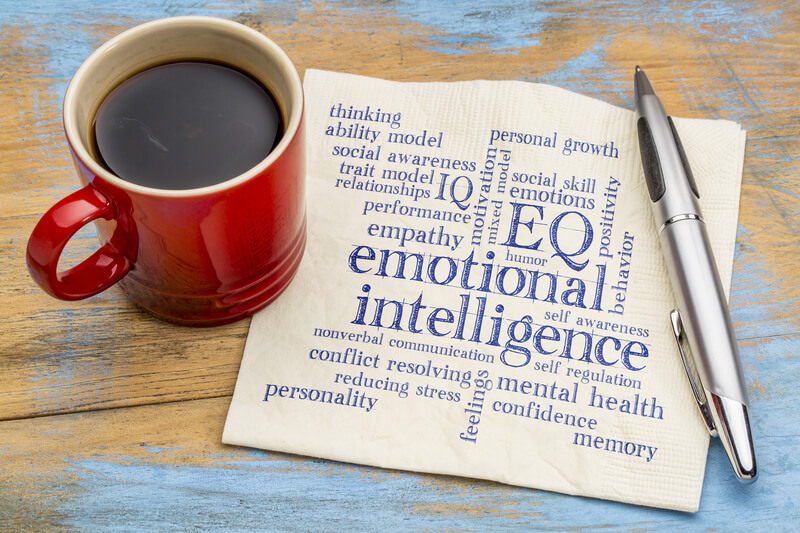
Leadership in today’s workplace looks a lot different than it did a decade ago. Technical skills still matter, but the spotlight is now on something less quantifiable—emotional intelligence, or EQ. According to recent findings, over 70% of hiring managers say they prioritize EQ over IQ when evaluating candidates for leadership roles. This shift marks a growing awareness that empathy, self-awareness, and people skills are crucial in driving team success.
The changes in how we work—remote offices, diverse teams, and rising attention to employee well-being—have redefined what it means to lead. Command-and-control styles no longer cut it. Instead, we see a clear preference for leaders who listen, connect, and adapt. In this new reality, emotional intelligence isn’t just a bonus—it’s a baseline expectation.
This article explores how EQ is reshaping leadership, why it’s become a competitive business asset, and what companies can do to develop emotionally intelligent leaders who are built for the future.
Leadership in a Changing World
The modern workplace is in flux. Remote teams, global collaborations, and multi-generational workforces present challenges that demand a more human-centered approach. Leaders must now navigate cultural nuances, motivate across screens, and build trust without always being in the same room.
Today’s top-performing leaders are not those with the loudest voices or the sharpest technical skills. They’re the ones who build bridges—between departments, generations, and perspectives. Companies are realizing that emotionally intelligent leadership leads to stronger engagement, lower turnover, and healthier work environments.
Creating psychological safety—where people feel safe to share, question, and fail—is now a leadership priority. That requires more than policy; it requires genuine empathy, consistent communication, and emotional awareness to understand what people aren’t always saying out loud.
A Closer Look at Emotional Intelligence
Daniel Goleman, one of the key voices in this space, breaks EQ down into five components:
- Self-awareness: Recognizing how your emotions impact your behavior
- Self-regulation: Staying in control, especially under pressure
- Motivation: Being driven by internal goals, not just external rewards
- Empathy: Understanding and valuing other people’s perspectives
- Social skills: Communicating effectively and building strong relationships
Put together, these traits help leaders make smarter decisions, defuse conflicts, and inspire others. They also help leaders respond—not just react—to tough situations, a quality that’s becoming increasingly valuable in uncertain times.
Old Models vs. New Realities
Traditional leadership often focuses on authority, hierarchy, and results at any cost. That model, while effective in the industrial age, feels outdated in the knowledge economy. People want to work with leaders who listen, who care, and who foster collaboration—not competition.
The data backs this up. Research published in the Harvard Business Review shows that leaders with high emotional intelligence are better at retaining talent, boosting morale, and leading high-performing teams. These leaders create workplaces where people want to show up—and give their best.
Soft skills like empathy and adaptability were once considered “nice to have.” Today, they’re essential. Leadership development programs across industries now include emotional intelligence as a core module, signaling a shift in what businesses truly value.
Emotional Intelligence as a Business Advantage
Emotional intelligence isn’t just a feel-good concept—it’s a smart business move. Companies led by EQ-focused leaders consistently outperform their peers in areas like employee engagement, customer satisfaction, and innovation.
High EQ leaders are better at reading the room, managing change, and making decisions that account for both data and human dynamics. That’s especially important in industries undergoing rapid transformation, where uncertainty is the norm and people are looking for stability and clarity.
A great example is Satya Nadella’s leadership at Microsoft. By emphasizing empathy and inclusion, he helped shift the company’s culture from cutthroat to collaborative—fueling one of the most successful corporate turnarounds in recent history.
Developing Emotionally Intelligent Leaders
So how do organizations build EQ into their leadership pipeline? It starts with intention. Emotional intelligence can be developed—but it requires more than a one-off workshop.
- Coaching and Mentorship: Personalized guidance helps leaders identify blind spots and grow through feedback.
- 360-Degree Reviews: Gathering input from team members, peers, and managers gives a fuller picture of how a leader is perceived.
- Scenario-Based Training: Role-playing real workplace challenges helps leaders practice emotionally intelligent responses in a safe environment.
- Tech-Assisted Insights: Some companies are now using AI tools to track mood trends or team sentiment, offering leaders a window into how people feel—before problems escalate.
Most importantly, senior leadership needs to lead by example. Emotional intelligence should be visible in how leaders communicate, make decisions, and handle feedback. When it’s modeled at the top, it becomes part of the culture.
The Path Forward: Human-Centered Leadership
As the workplace continues to evolve, one thing is clear: the most successful leaders will be those who lead with both head and heart. Emotional intelligence is no longer optional. It’s the foundation for building trust, resilience, and lasting impact.
Leadership isn’t just about strategy or performance metrics anymore. It’s about connection. The future belongs to leaders who listen deeply, act thoughtfully, and inspire others to do the same.
Organizations that embed EQ into their culture and leadership development strategies will have a clear edge. They’ll be better prepared for uncertainty, more attractive to top talent, and more agile in responding to market shifts.
Ready to Lead with Emotional Intelligence?
Invest in leaders who connect, inspire, and adapt. Emotional intelligence is more than a soft skill—it’s a strategic advantage. At John Clements Leadership Institute, we help organizations develop future-ready leaders grounded in empathy and resilience.
Explore our leadership development programs and start building a stronger, people-centered organization today.

