
Our Executive MBA journey at John Clements continues to challenge our perspectives and sharpen our strategic thinking. During our 8th session for 2026, our management team explored the Saudi Aramco case under the guidance of our discussion leader, Mr. Tully Moss. Consequently, the conversation touched on energy, sustainability, geopolitics, and the future of corporate transformation—issues that increasingly shape global business leadership.
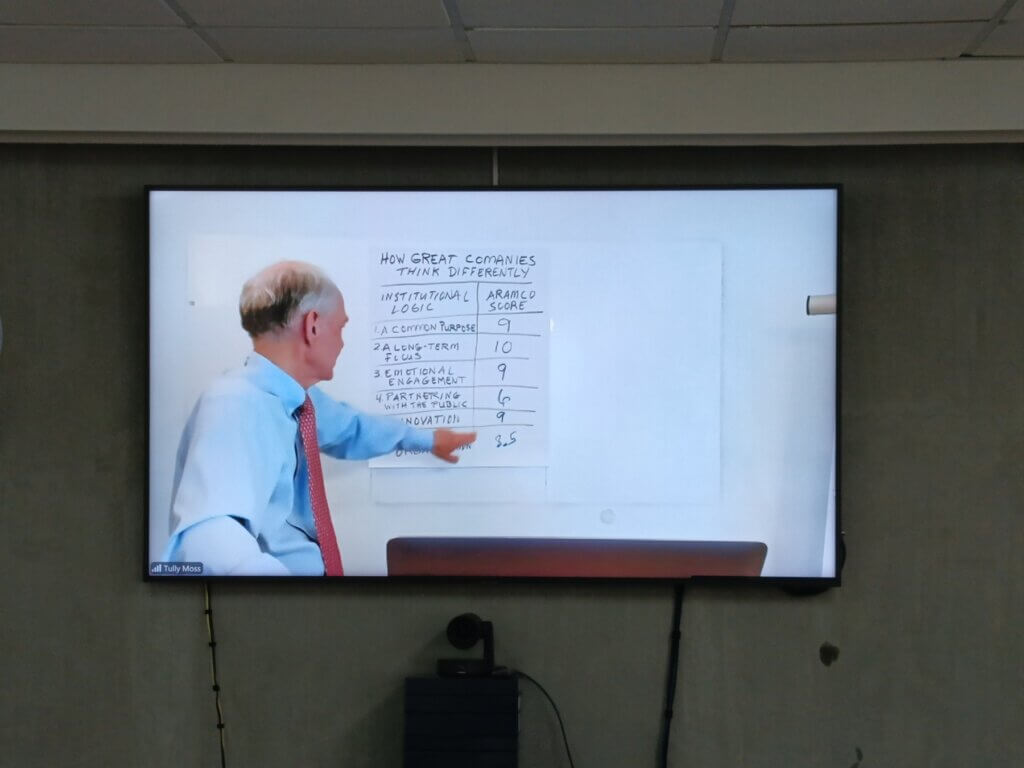
Assessing What Makes a “Great Company”
We opened the session with a survey that evaluated whether Aramco could be considered a great company. The class rated it highly in areas such as:
- Long-term strategic perspective
- Innovation and technology development
- Emotional engagement within its workforce
- A strong sense of shared purpose
In contrast, the lowest rating came from its perceived partnership with the public. This highlighted the ongoing tension between operational excellence and the reputational challenges that fossil fuel companies face today.
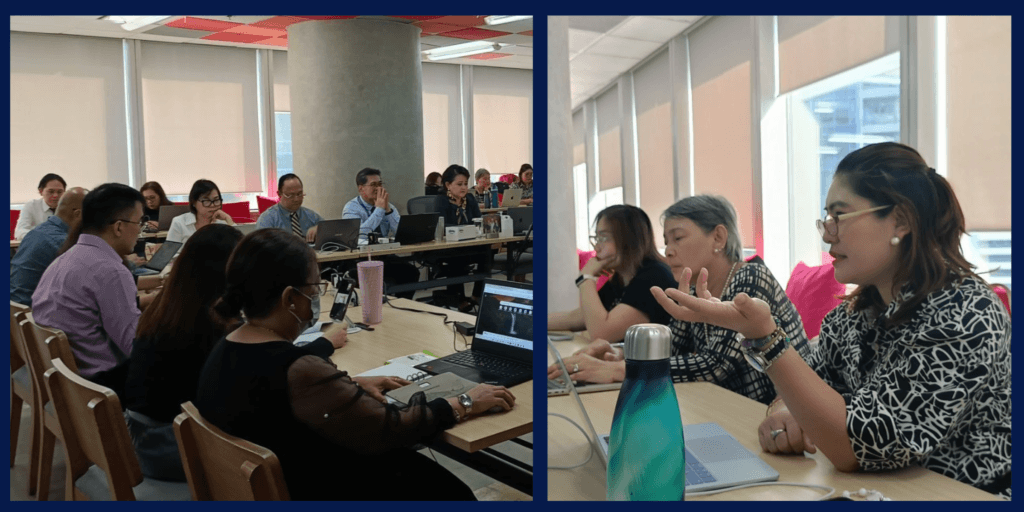
Understanding the Company’s Stakeholder Ecosystem
We mapped the complex network of stakeholders surrounding Aramco’s global operations. These included:
- The Kingdom of Saudi Arabia
- Employees and internal talent
- Institutional investors
- Global energy customers
- NGOs and environmental groups
- OPEC partners
- Governments affected by global oil movements
This exercise clarified that companies operating at this scale influence entire economies and geopolitical dynamics, not just industry competitors. For context, global trade routes such as the Strait of Hormuz are monitored by agencies like the U.S. Energy Information Administration: https://www.eia.gov.
Paragon or Pariah? A Debate on Responsible Energy
A central question guided our debate: Is Saudi Aramco a model of responsible energy production or a pariah in the sustainability era?
The Paragon Argument
Those who argued the paragon perspective emphasized several factors:
- The company has invested approximately $1.3 billion in sustainability initiatives.
- A significant portion of its R&D is allocated to lowering carbon intensity.
- Energy demand in developing countries remains heavily reliant on oil and gas, according to global energy data (https://www.iea.org).
- The firm continues to invest in natural gas, education, and technology development.
Specifically, supporters viewed these efforts as pragmatic steps toward an energy transition that must balance reliability, affordability, and sustainability.
The Pariah Argument
Conversely, others argued that Aramco’s influence as one of the world’s largest fossil fuel producers brings unavoidable scrutiny. Concerns raised included:
- Lack of full commitment to addressing Scope 3 emissions
- Global labor compensation disparities
- The risk of sustainability initiatives being perceived as greenwashing
Furthermore, critics cited the reality that end‑use emissions still represent the majority of carbon output worldwide (https://www.un.org).
Geopolitics and Market Volatility
The session became timelier when we examined ongoing tensions in the Middle East involving Iran, Israel, and the United States. Oil prices remain volatile, recently rising to around $87.50 per barrel. Consequently, attacks on strategic sites in Iran and the vulnerability of shipping routes have raised concerns among global agencies. For reference, maritime risk assessments are publicly available through resources such as the U.S. Maritime Administration: https://www.maritime.dot.gov.
Navigating this volatility is a strategic challenge for any energy giant, especially Aramco.
Applying the Lessons to Philippine Conglomerates
We ended the session by comparing the sustainability strategies of major Philippine conglomerates. Our group evaluated SM, while others analyzed Ayala, Aboitiz, and San Miguel. This reinforced a common insight: many local corporations are still building the foundations of their long-term sustainability road maps.
Final Reflection: Complexity Over Easy Labels
What stood out most was how the case method reveals the nuances behind global business decisions. The debate on Aramco showed that complex organizations cannot be neatly labeled as “good” or “bad.” Instead, they operate within interconnected pressures—economic demands, societal expectations, technological disruption, and geopolitical uncertainty.
Get in Touch
If your organization is preparing for large‑scale transformation or leadership development, our team at John Clements can help. Contact at https://www.johnclements.com/contact-us/

