
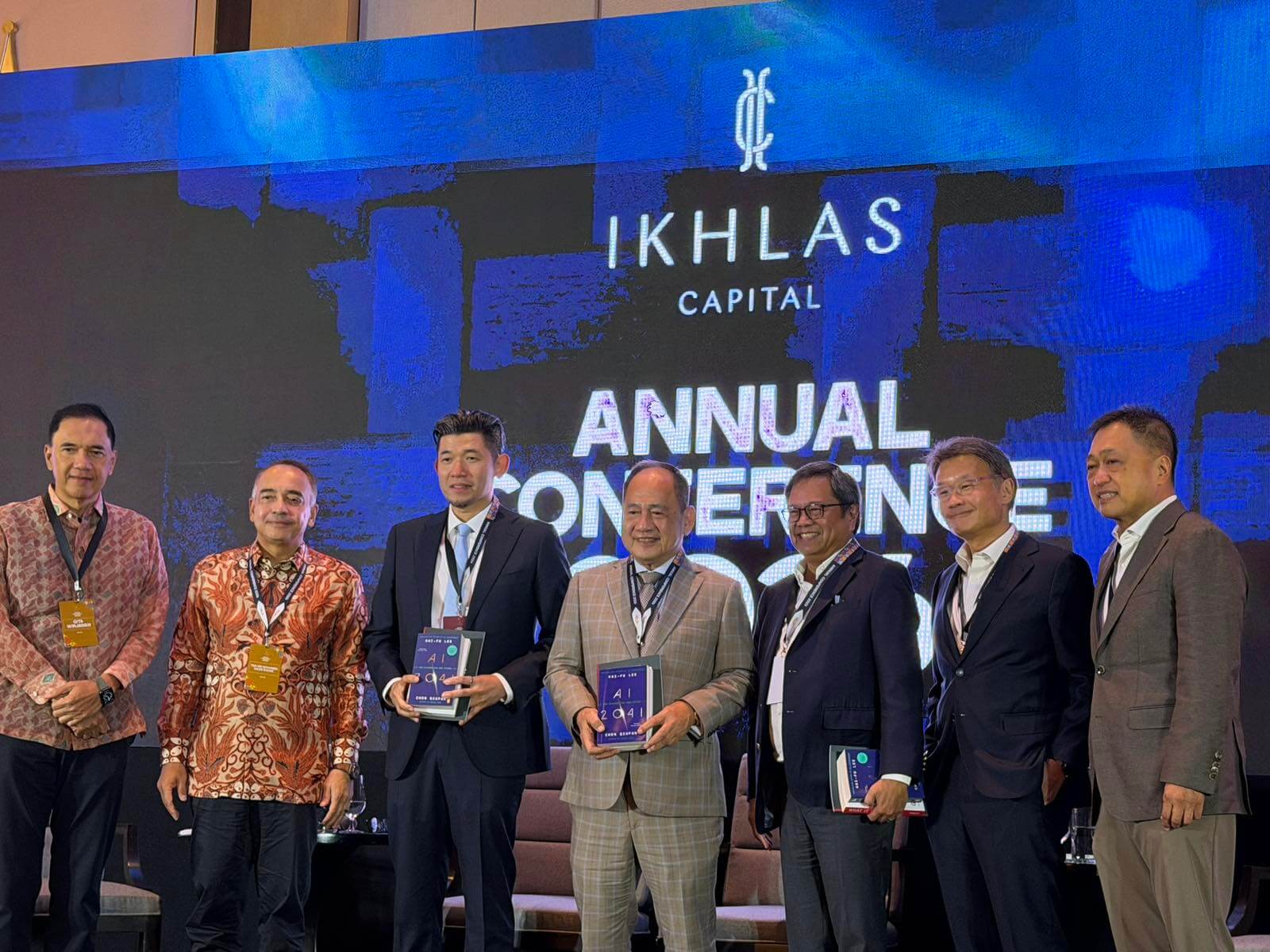
The Ikhlas Capital Annual Conference in Makati offered more than a set of panel discussions. It presented a coherent regional story. ASEAN is no longer just a bystander to global change. The Philippines, in particular, is becoming a key swing market in geopolitics, capital, and artificial intelligence. Speakers kept returning to one practical question. Can governments, boards, and business leaders build enough execution capacity to turn this moment into a lasting advantage?
A more confident Philippines, but not yet a fully transformed one
Secretary of Trade and Industry Cristina A. Roque opened the keynote session. She described the Philippines as being in a record-breaking phase for trade and investment. Exports were up about 15.4 percent. Board of Investments approvals rose sharply in the first half of the year. Yet the bigger message was not the statistics alone. Growth, in her framing, must become transformation. That means a stronger export industry, a more open investment climate, and deeper fiscal incentives. It also means a more credible push to position the Philippines as a global hub across semiconductors, minerals, automotive, agriculture, and rising export categories such as coconut and ube.
Her emphasis on micro, small, and medium enterprises made the point sharper. MSMEs make up around 95 percent of businesses and roughly 62 percent of the labor force. So headline growth has to reach further. It must translate into broader participation, employment, and competitiveness, not stay concentrated in a narrow slice of the economy. The keynote captured both the promise and the unfinished work in the Philippine story. External confidence is stronger. The investment posture is more welcoming. But deeper structural reform is still needed.

Geopolitics: Southeast Asia as a swing region
Gita Wirjawan opened with a bold geopolitical framing, one of the day’s boldest. Southeast Asia, he said, has long been a region of peace and stability. Its geopolitical imbalance over the last few centuries was the exception, not the norm. The next era may not be shaped by one dominant power. Instead, a new balance could take shape. China and the US-West bloc would act as counterweights. That would give Southeast Asia a real chance to become a swing region, not just a passive buffer.
This idea was paired with a “new kind of multipolarity.” A paradox ran through the conference materials and notes. Multilateral institutions are weakening even as the number of geopolitical actors and forums keeps growing. The West was described as constrained by institutional paralysis and ideological overreach. China, on the other hand, was described differently. It had moved through a long arc of revolution, capacity-building, and consolidation, and it has now entered a phase of technological capital allocation.
The strategic implication for ASEAN was clear. Move up the value chain. Move up the geopolitical order. Protect strategic autonomy. But this goal came with real prerequisites: stronger STEM education, wider access to quality universities, and enough geopolitical dexterity to navigate rivalry without becoming collateral damage.
One warning stood out above the rest, on artificial intelligence and energy. A slide in the presentation argued that only Singapore and Brunei have electrification levels near 10,000 kWh per capita. Southeast Asia would need about 1.5 TW of additional power generation capacity for every member state to reach that level. That works out to roughly USD 3 trillion to 4 trillion in investment. The point was blunt. No country can seriously compete in the AI economy without the power systems, talent base, and institutional depth to support it.
What boards must do when certainty disappears
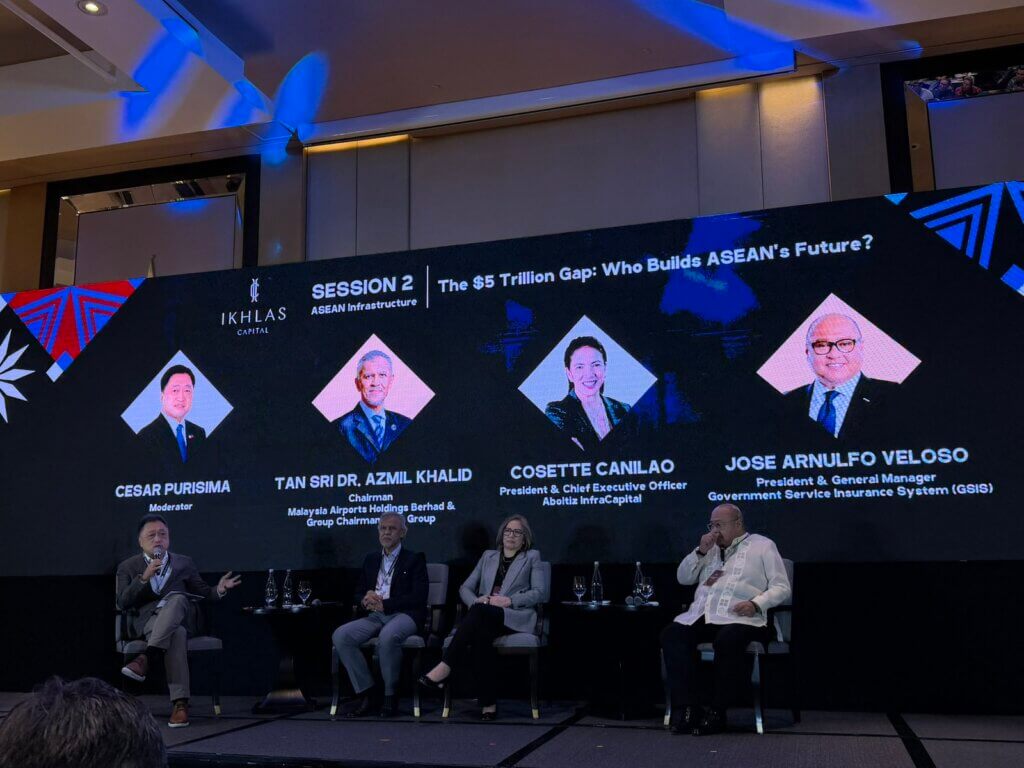
The geopolitics panel included Andrew Sheng, Robin Hu, and Dino Djalal. It shifted the discussion from macro trends to governance practice. One of the strongest ideas to come out of it was simple. Boards cannot assume stability in a fragmented world. Their role is not just oversight in the narrow sense. It is the authorization of courage.
That phrase matters. Management can allocate resources and draft strategy. But boards are uniquely positioned to approve long-horizon resilience before risks become undeniable. Investments across contested systems can be backed. The burden of expensive compliance can be absorbed. Decisions whose logic is clear can be supported before their results are visible. The panel’s point was practical. Geopolitical dexterity is no longer optional. It is becoming a core board skill, because sanctions, regulatory shifts, and national security concerns can change a business’s economics overnight.
The panel also drew a sharp contrast between Western and Chinese paradigms. The West was criticized for outsourcing manufacturing and losing prototyping discipline. China, meanwhile, was credited with building engineering scale through relentless pragmatism and learning-by-doing. For Southeast Asia, the warning was clear. Natural resources are not enough if a region keeps outsourcing too much of its own capability in manufacturing, exploration, defense, and energy.
ASEAN’s infrastructure challenge is not just capital, but readiness
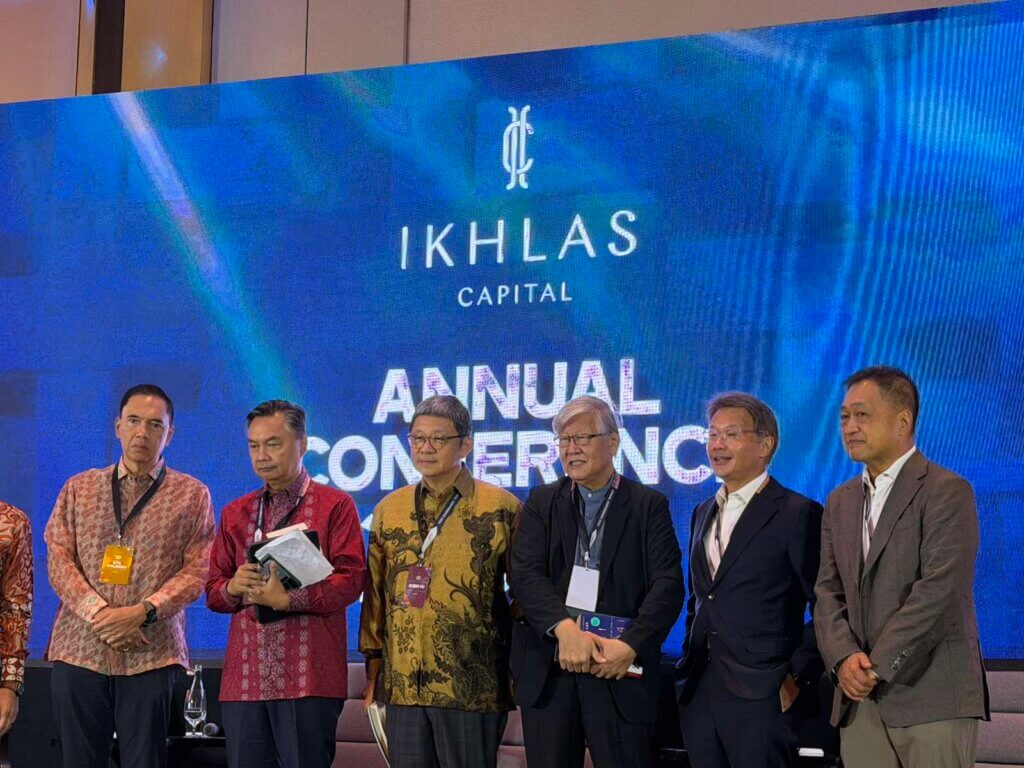
Cesar Purisima moderated the conference’s infrastructure session. It addressed the region’s $5 trillion gap with unusual honesty. The panelists did not claim capital is absent. Instead, they argued that capital is abundant, but it often gets trapped behind weak project preparation, policy inconsistency, bureaucratic delay, and weak mechanisms for making projects bankable.
Jose Arnulfo Veloso spoke about the availability of long-term capital. It can come from global markets, domestic institutions like GSIS, or broader ASEAN pools of savings. But his real argument was different. The region lacks a coherent enough development pipeline to channel these funds into high-impact infrastructure at scale. In other words, ASEAN’s problem is not just financing capacity. It is the absence of investable structure.
Cosette Canilao focused on the mechanics of that structure. Her message, as the notes captured it, was direct. Governments still prepare investable projects too slowly. That forces the private sector to step in more aggressively, through unsolicited proposals and PPP structures. She also argued that state capacity itself has to modernize. Digitized workflows, and even AI-assisted review of documentation, can speed up approvals and cut friction.
TL;DR
The Philippines is posting record trade and investment numbers, but speakers at the Ikhlas Capital Conference argued growth must become transformation. ASEAN has a real shot at becoming a geopolitical swing region, not just a bystander, if it can close a $5 trillion infrastructure gap, build AI-ready power capacity, and get boards to treat geopolitical risk as a core governance job.
Want more insight on where the Philippine economy is headed? Follow the Lookingglass blog for John Clements’ take on the trends shaping business, talent, and investment in the region.

