
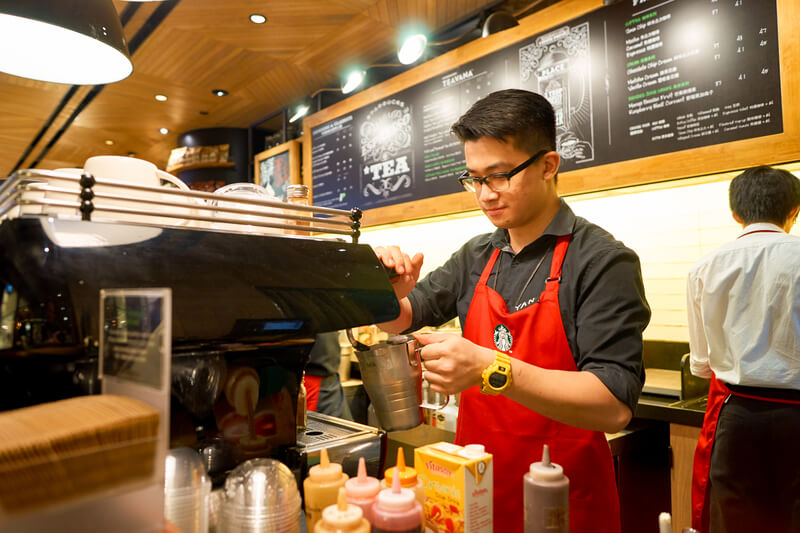
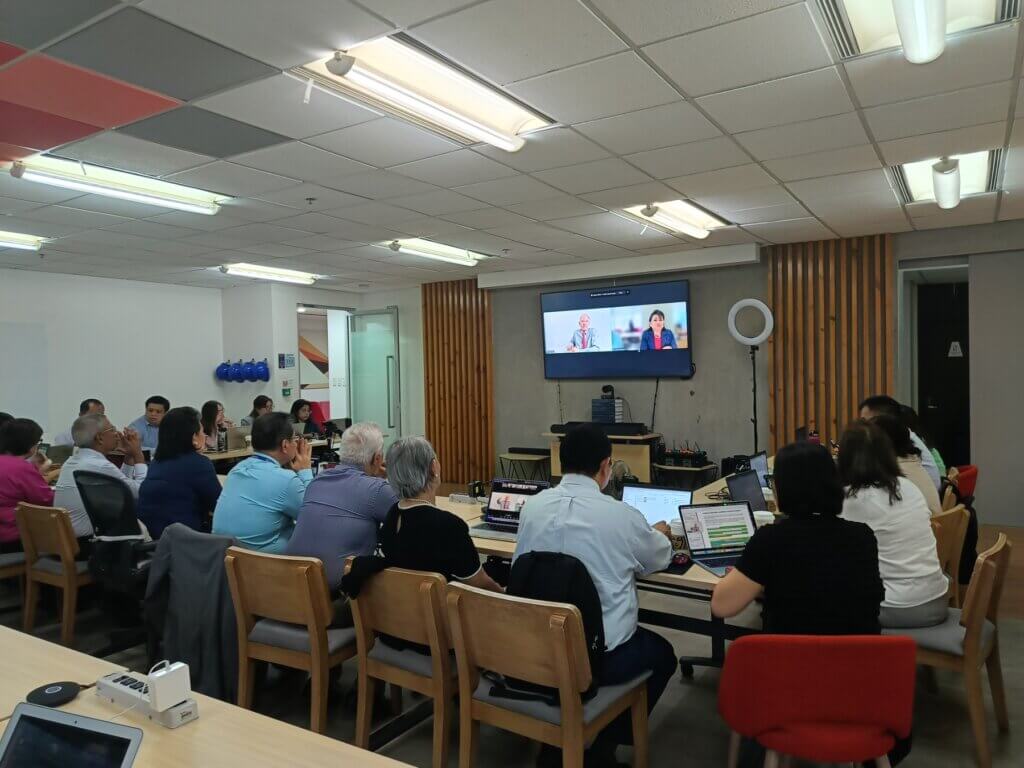
How do leaders harness AI to drive performance without sacrificing trust, culture, and human connection? Our third John Clements Executive MBA 2026 session took on that essential leadership question through the Harvard Business School case on Starbucks Deep Brew. The discussion offered a comprehensive look at how one of the world’s most influential global brands uses AI-powered customer experience to elevate the AI-powered customer experience while carefully guarding against operational, ethical, and human risks that emerge as organizations scale their technology capabilities.
Why AI‑powered Customer Experience Matters Now
Starbucks launched Deep Brew to personalize engagement, optimize store operations, and improve decision-making across thousands of locations worldwide. Crucially, the company treats AI as an enterprise capability rather than a standalone digital tool. This mindset allows Starbucks to blend personalization, inventory forecasting, labor optimization, and overall workforce support into one interconnected ecosystem that produces more consistent outcomes and better customer experiences.
From Tool to Enterprise Capability
Deep Brew sits inside Starbucks’ broader digital flywheel and cloud strategy. It uses Microsoft Azure–hosted machine learning models to tailor recommendations based on highly contextual factors such as local store inventory, weather patterns, time of day, and individual purchase history. Starbucks then pushes those insights into app experiences and, increasingly, into in‑store decision flows—ensuring that technology meaningfully supports both staff and customers.
Key Insights from the Session
1) Positioning in a crowded market: consistency, convenience, and personalization
Starbucks defends an “accessible premium” market position by pairing consistency and convenience with highly personalized offers that drive visit frequency and increase spending—especially among Rewards members and mobile users. Notably, U.S. active Rewards membership surpassed 32–34M in 2023–2024, and mobile order & pay accounted for roughly 30% or more of total purchases. These figures demonstrate how deeply digital experiences now reinforce brand equity and customer loyalty.
2) Advantage requires more than tech: leadership, culture, and trust
Technology amplifies an organization’s strengths—and its vulnerabilities. Therefore, leaders must pair AI with deliberate governance, organizational transparency, and clear guardrails that protect customer trust. Guidance from NIST and leading policy analysts stresses the importance of bias mitigation, explainability, context‑aware deployment, and responsible oversight. These principles help ensure that AI remains aligned with brand values and does not unintentionally erode the human experience.
3) Cloud, data, and scale enable real‑time decisions
Deep Brew’s capabilities rely on a modern cloud architecture and a strong foundation of first‑party data. Microsoft has documented Starbucks’ use of reinforcement learning on Azure to deliver increasingly personalized recommendations. More recently, Starbucks began piloting Green Dot Assist, a generative AI assistant designed to help baristas by simplifying decisions and workflows. The company plans a broader U.S./Canada rollout to further streamline operations, reduce service friction, and free partners to focus more fully on customer interaction.
4) Managing risk, ethics, and trust—before issues scale
Leaders must actively manage over‑automation risks, data privacy issues, and algorithmic bias. Research consistently highlights that bias originates not only in datasets and models but also in human and systemic factors. As a result, effective governance requires cross‑functional oversight, ongoing audits, scenario testing, and impact assessments—not simply technical patches. This thoughtful approach ensures that AI strengthens organizational values rather than unintentionally undermining them.
From Case Study to Leadership Practice
Participants connected Starbucks’ experience directly to their own organizations. They noted that AI programs can reshape culture, employee experience, and brand perception if leaders don’t clearly define the purpose, boundaries, and operating rhythms from the beginning. The HBS case captures this tension precisely: long-term success depends on aligning AI initiatives with strategy and execution, and then guiding adoption with training, measurement, and consistent governance. Leadership discipline remains the determining factor.
The Takeaway: AI Should Strengthen—Never Replace—Human Capability
Ultimately, AI creates the greatest value when it augments the frontline, not when it sidelines judgment, empathy, or meaningful interpersonal interaction. Starbucks’ digital investments support baristas and customers alike—through smarter scheduling, better inventory management, and context‑aware personalization. These enhancements keep the human connection at the center of the experience, reinforcing the brand’s identity as a coffeehouse rooted in warmth and service.
Building Leaders for an AI‑Enabled Future
Therefore, we must equip leaders to make informed, ethical, and strategic decisions about AI. As the Starbucks case demonstrates, technology will continue evolving rapidly; yet leadership discipline—clear intent, thoughtful governance, and a relentless focus on customers and employees—still converts innovation into durable organizational performance.
Unlock Recruitment Wins with Data
Starbucks’ Deep Brew proves how data elevates customer experience. Now imagine applying that same intelligence to hiring. At John Clements Consultants, we turn data-driven recruitment and predictive analytics into your competitive edge—helping you identify top talent, streamline decisions, and accelerate organizational growth through advanced recruitment technology.
Ready to transform how you hire? Contact us today.

