
Key Takeaways
- AI is changing how organizations define and measure performance.
- Output alone is no longer enough to determine employee value.
- Decision quality, collaboration, and judgment are becoming more important performance indicators.
- Leaders must shift from administrative evaluations to meaningful performance conversations.
- AI performance management should focus on impact, growth, and human capabilities.
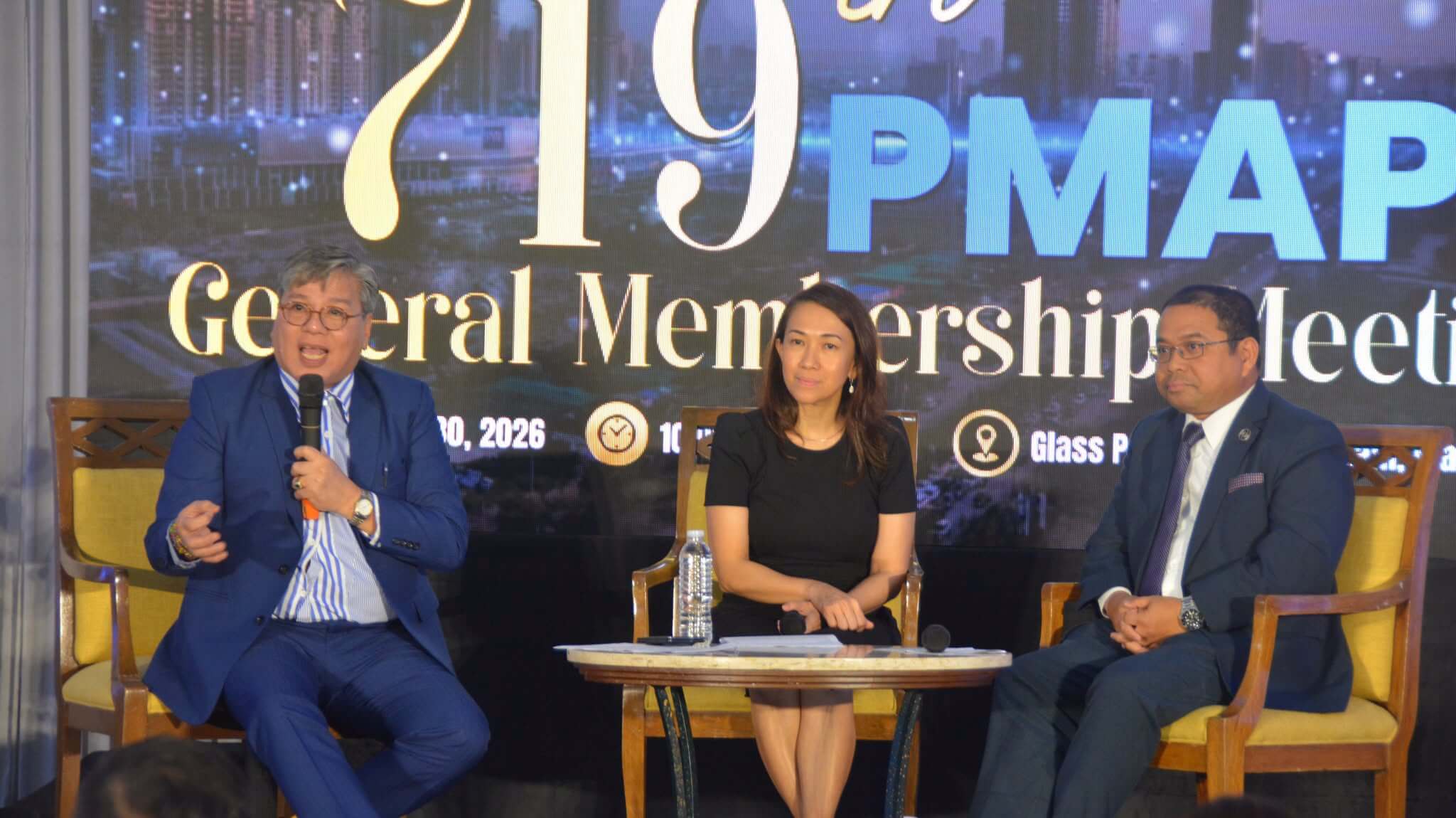
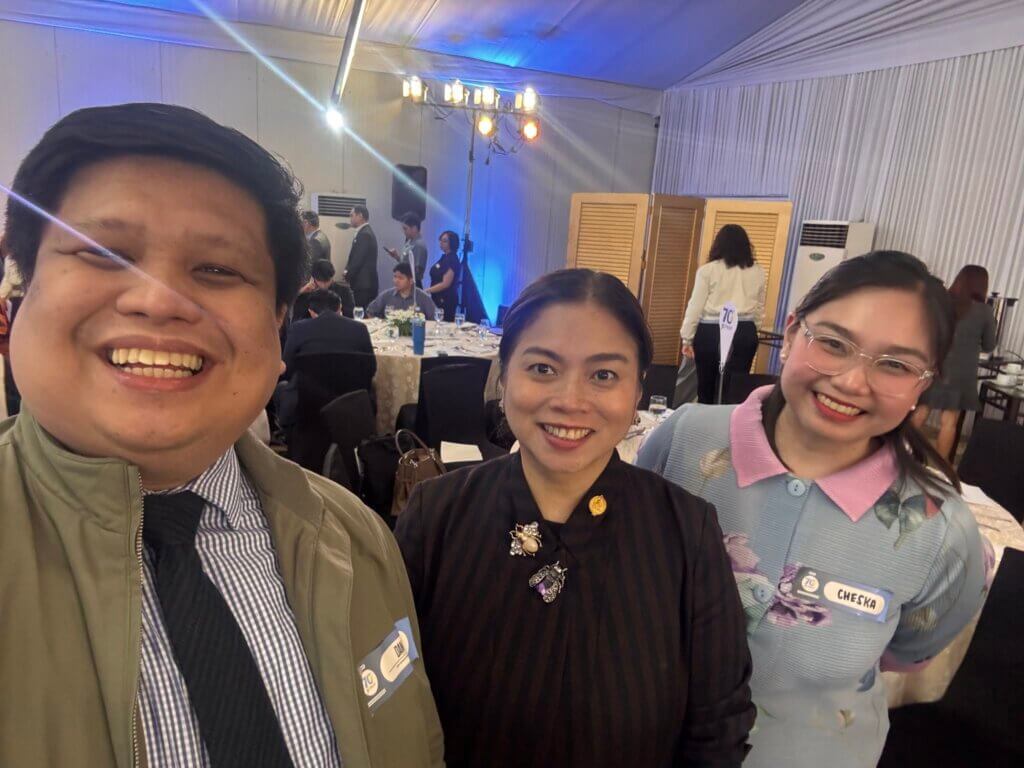
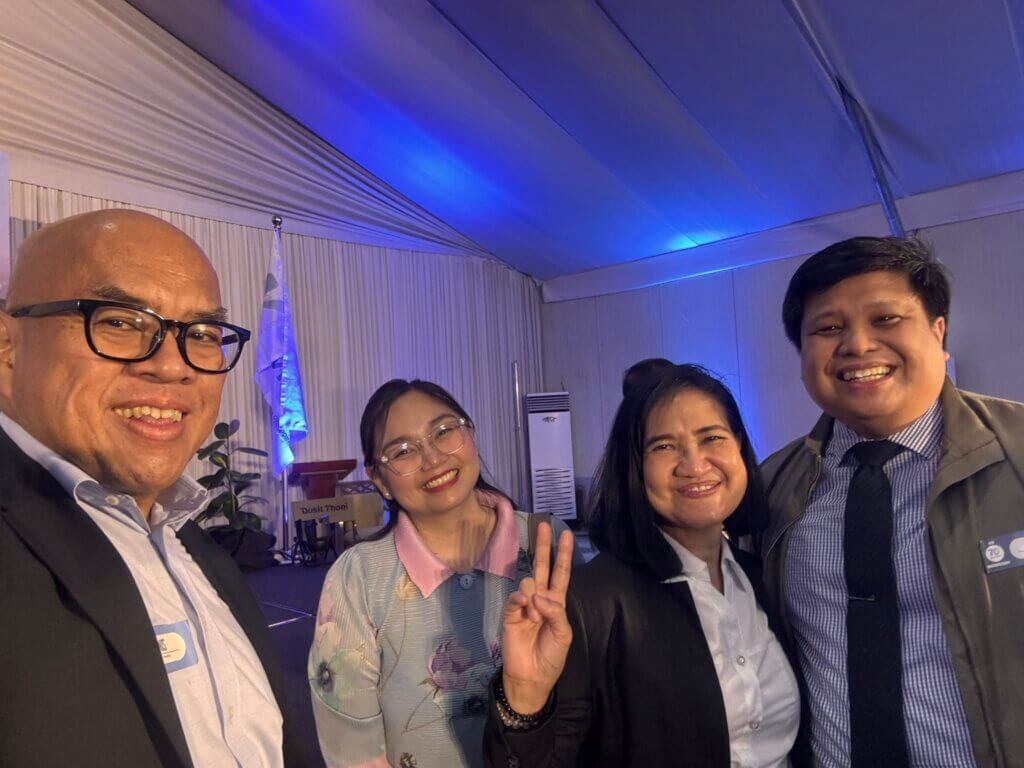
This challenge took center stage at the PMAP 719th General Membership Meeting held at Dusit Thani under the theme, “From Output to Impact: Rethinking Performance and Recognition.” Bringing together HR professionals and business leaders, the event explored how AI is transforming performance management, employee recognition, and the future of work.
Through thought-provoking discussions and expert insights, participants gained a deeper understanding of how organizations can move beyond traditional productivity metrics and focus on creating meaningful business impact. As workplaces continue to evolve, the conversation highlighted the importance of rethinking how success is measured, recognized, and sustained in the age of AI.
Rethinking Productivity in the Age of AI
Looking Beyond Output
Delivering the keynote address was Mr. Erwin Razon, CEO of Hepmil Philippines, who examined the growing influence of artificial intelligence and its impact on workplace productivity.
As AI enables employees to generate content, reports, and analyses faster than ever, traditional productivity measures may no longer provide a complete picture. Consequently, organizations are beginning to shift away from asking, “How much was produced?” and toward asking, “What value did the work create?”
This shift requires a broader view of employee contribution. Specifically, organizations must place greater emphasis on:
- Critical thinking
- Decision quality
- Collaboration
- Problem-solving
- Professional judgment
Rather than competing with technology on volume alone, employees can create greater value by focusing on skills that remain uniquely human. These include navigating uncertainty, building relationships, exercising accountability, and understanding the wider consequences of their decisions.
Beyond Metrics: The Future of Performance Management
Moving from Process to Leadership
The conversation continued through a panel discussion featuring Mr. Romualdo Murcia III, Chairman and Managing Partner of P&A Grant Thornton, and Ms. Ella Dujali-Mangubat, Country Head of Philippines, FICO.
The panel explored several long-standing challenges in performance management. In many organizations, administrative requirements and assessment processes often overshadow meaningful employee development.
As a result, leaders must ask an important question: are performance systems helping employees succeed, or are they simply evaluating results?
The panel emphasized that AI performance management should not focus solely on ratings, scorecards, or documentation. Instead, leaders should view performance management as an ongoing responsibility.
Effective performance conversations should go beyond completing forms and assigning ratings. They should help employees:
- Understand expectations clearly
- Identify opportunities for growth
- Strengthen skills and capabilities
- Connect individual contributions to business goals
When AI Makes Output Easier, What Should We Measure?
Focusing on Impact Over Activity
AI presents a new challenge for workplace measurement.
Today, AI tools can rapidly produce content, reports, presentations, and analysis. However, increased activity does not automatically lead to meaningful business outcomes. In contrast, high-impact work reflects sound judgment, strong collaboration, and effective decision-making.
For this reason, managers need to look beyond volume-based metrics and evaluate:
- Quality of decisions
- Strategic thinking
- Collaboration effectiveness
- Innovation and creativity
- Business outcomes achieved
This evolution sits at the heart of modern AI performance management. The goal is not merely to measure activity. The goal is to measure impact.
Organizations seeking guidance on workplace transformation can also explore resources from:
Developing the Whole Employee
Recognizing Human Capabilities
Another important theme that emerged during the discussion was the need for a more holistic approach to employee development.
Performance should not be viewed only through financial results or quantitative metrics. Furthermore, organizations must consider culture, values, employee growth, and cross-functional collaboration when evaluating success.
This means creating clearer career pathways while replacing transactional assessments with meaningful developmental conversations.
Recognition must evolve as well.
As technology increasingly handles repetitive and analytical tasks, organizations have an opportunity to recognize capabilities that technology cannot replicate, including:
- Accountability
- Sound judgment
- Trust-building
- Creativity
- Collaboration
- Human connection
These qualities play a critical role in successful AI performance management, especially as businesses continue integrating advanced technologies into daily operations.
Looking Ahead
Building Impact-Driven Workplaces
The discussions at the PMAP 719th General Membership Meeting delivered an important reminder for HR leaders. The future of performance management is not simply about finding better ways to track output.
Instead, it is about understanding what creates meaningful impact.
As organizations continue integrating AI into the workplace, HR leaders have an increasingly important role in ensuring that technology supports people rather than reducing them to metrics. Effective AI performance management creates environments where employees can grow, innovate, collaborate, and contribute to outcomes that matter.
The conversation continues at the 63rd PMAP Annual Conference, where HR professionals and business leaders will further explore the evolving world of work.
In an AI-enabled workplace, the question is no longer just how much we produce.
It is what impact we create, and how we recognize the people who create it.
Let’s Talk Talent and Transformation
Looking to strengthen your organization’s performance strategy, leadership development initiatives, or workforce transformation efforts? Connect with us at John Clements Consultants, Inc.

