

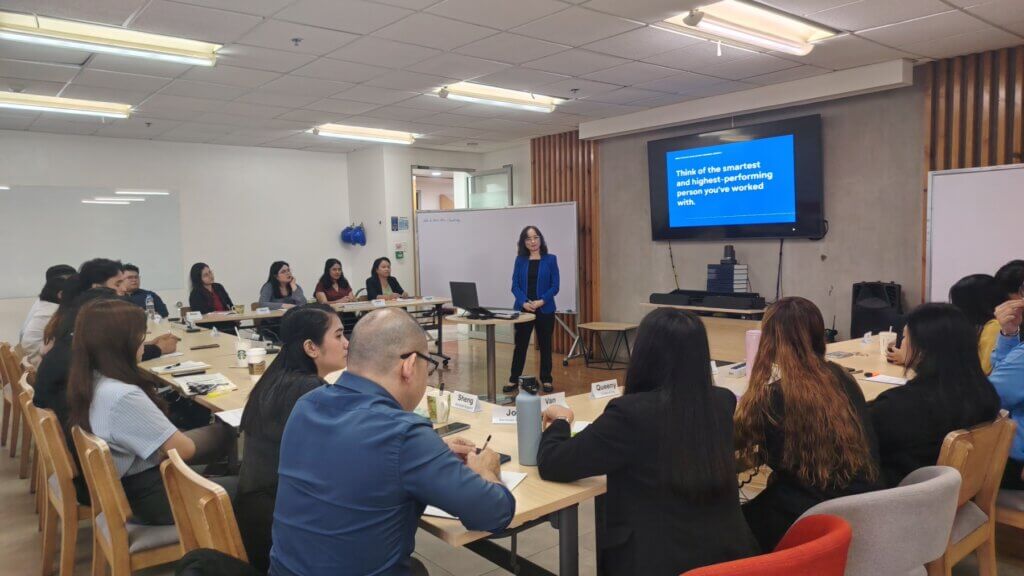
What makes feedback such a powerful tool for growth? This question became the focus of a recent session in the Breakthrough Development Program, facilitated by Ms. Hazel, where I along with fellow participants explored how honest, constructive feedback can shape individual performance, strengthen leadership, and contribute to organizational success. Through real-world discussions and case analysis, the session highlighted that growth does not happen by chance. It happens when people are willing to listen, learn, and improve.
Every day at work presents opportunities to learn. Whether we are managing schedules, coordinating with colleagues, handling documents, or supporting employees, each task helps us build new skills and gain experience. Along the way, we receive both recognition and guidance. Sometimes we hear praise for a job well done. Other times, we receive suggestions that help us improve.
This is where feedback in the workplace becomes valuable. Although receiving criticism is not always easy, it helps employees understand expectations, identify areas for improvement, and perform their responsibilities with greater confidence. More importantly, feedback encourages continuous learning, stronger workplace relationships, and lasting professional growth.
Organizations that promote open communication often create stronger teams and better business outcomes. In fact, effective communication and employee development remain key priorities for many organizations and HR professionals. For additional workplace and labor resources, visit:
Lessons From the Case Study: 3DP Incorporated – Patrick Guten
During a small-group discussion facilitated by Ms. Hazel, participants analyzed the case study 3DP Incorporated: Patrick Guten. The activity focused on identifying Patrick’s strengths, blind spots, behaviors that could affect his career, and the feedback he needed to hear.
Patrick Guten was a highly educated and ambitious employee who wanted to contribute innovative ideas and eventually become a senior leader. He valued honesty, transparency, and open communication. However, his journey demonstrated that success requires more than technical expertise and strong credentials.
The case illustrated that professional growth depends on several factors:
- Listening to different perspectives
- Recognizing personal weaknesses
- Accepting constructive criticism
- Continuously learning from others
- Building positive workplace relationships
Consequently, participants realized that feedback in the workplace is more than identifying what employees do right or wrong. It is a powerful tool that helps people recognize strengths, address development areas, and become more effective professionals and leaders.
Leadership, Communication, and Professional Growth
The Value of Constructive Leadership
One of the most interesting parts of the case involved Patrick’s relationship with his immediate supervisor, Marietta Stowe. They disagreed on business strategies, particularly when Patrick questioned her market projections. Although Patrick intended to be honest, the disagreement became heated and created tension.
In contrast, Patrick’s relationship with CEO Limor Anouk demonstrated the impact of supportive leadership. Anouk recognized his potential, invested in his development, and provided mentorship opportunities. Her actions showed that great leaders do more than assign tasks. They guide, coach, and help employees grow.
Why Delivery Matters
This situation highlighted an important lesson: honesty alone is not enough. The way feedback is communicated matters just as much as the message itself.
Constructive feedback should be:
- Respectful
- Professional
- Specific
- Solution-oriented
- Focused on improvement
Furthermore, employees must learn how to express differing opinions without creating unnecessary conflict. Healthy disagreement can lead to better decisions when handled with professionalism and mutual respect.
Key Learnings from the Case
After analyzing the case, several important lessons emerged.
1. Feedback Should Be a Two-Way Process
Employees should remain open to constructive criticism, while managers should welcome suggestions and concerns from their teams. Strong organizations encourage conversations where people feel safe sharing ideas and perspectives.
2. Communication Shapes Impact
Great ideas can lose their value when communicated poorly. Therefore, professionalism, respect, and emotional intelligence should guide both giving and receiving feedback.
3. Feedback Creates Opportunities for Growth
Constructive criticism may feel uncomfortable at first. However, it often reveals new opportunities for learning and improvement. Instead of viewing feedback as a personal attack, employees should treat it as a learning tool.
4. Leadership Includes Developing People
Anouk’s mentorship demonstrated that leadership extends beyond managing performance. Effective leaders create opportunities for employees to build confidence, strengthen skills, and prepare for future responsibilities.
5. Continuous Learning Matters
Patrick possessed impressive qualifications and accomplishments. Nevertheless, he still needed guidance and personal development. This reminds us that growth never stops, regardless of experience or achievement.
As a result, feedback in the workplace becomes a critical part of lifelong learning and career development.
Building a Strong Feedback Culture
Why Feedback Strengthens Organizations
The case of Patrick Guten illustrates that professional success is a continuous journey of learning, adapting, and improving. While knowledge and experience are important, an employee’s willingness to listen and learn often determines long-term success.
A healthy workplace culture encourages employees to:
- Speak openly
- Share ideas
- Ask questions
- Learn from mistakes
- Accept different viewpoints
When leaders and employees embrace feedback in the workplace, they strengthen trust, collaboration, and engagement across the organization.
Creating Lasting Impact
Organizations that value constructive dialogue often build stronger teams and more resilient cultures. Moreover, they create environments where people feel supported while remaining accountable for their performance.
The goal of feedback is not to determine who is right or wrong. Instead, it helps individuals discover their potential, improve their performance, and contribute more effectively to organizational success.
Ultimately, feedback in the workplace serves as a foundation for growth, leadership development, and continuous improvement.
Better Feedback, Better Organizations
The Patrick Guten case serves as a powerful reminder that success depends not only on knowledge and technical skills but also on the ability to listen, learn, and adapt. Employees who remain open to guidance position themselves for long-term growth. Likewise, leaders who provide support and constructive coaching help create high-performing teams.
The lessons from this case reinforce a simple truth: feedback in the workplace helps people become better professionals, stronger leaders, and more valuable contributors to their organizations.
As the saying goes:
“A successful workplace is not built by individuals who believe they already know everything. It is built by people who remain willing to learn, listen, accept feedback, and grow together.”
Reach Out and Connect
Looking to strengthen leadership development, employee engagement, and organizational effectiveness within your company? Connect with the John Clements team to learn more about our HR, recruitment, and talent development solutions.

