

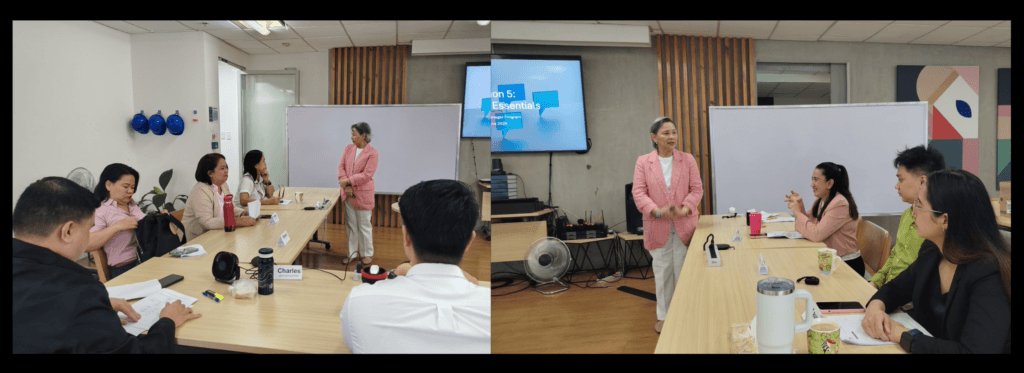
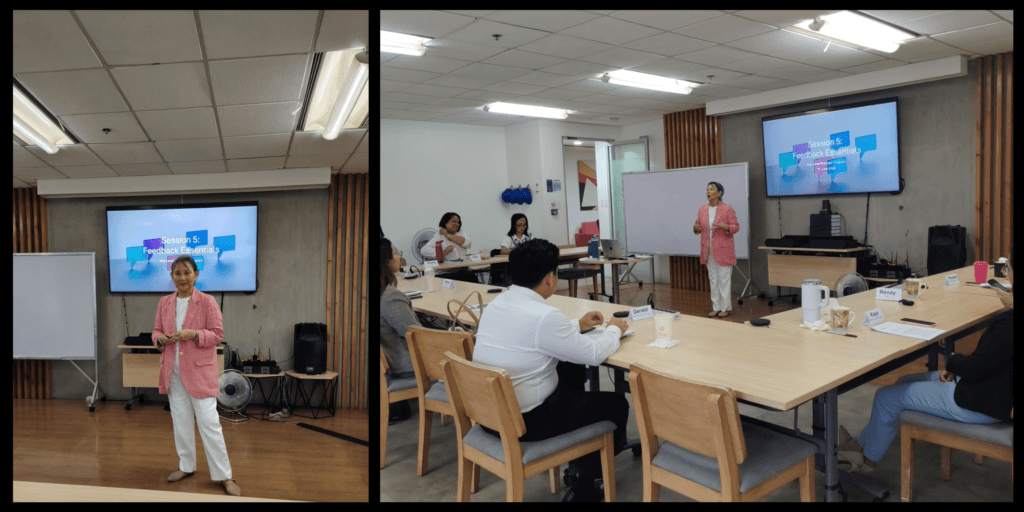
A successful manager reaches business goals and develops people through clear communication and meaningful feedback. The case study “The Day in the Life of Alex Sander,” facilitated by Dr. Grace Alcid, showed how leaders often struggle to balance emotional intelligence, performance expectations, and support. Consequently, this balance becomes essential for building strong teams.
Effective feedback is a core leadership skill. It helps employees see their strengths, improve performance, and contribute positively to the team. Instead of focusing on mistakes, feedback should guide growth and encourage collaboration. This is where effective leadership feedback becomes a powerful tool for managers.
Through Alex Sander’s experience, I saw how difficult it is to maintain high standards while keeping good relationships. Managers can use feedback to build trust, strengthen professional bonds, and create a culture where people feel supported and motivated.
The Role of Emotional Intelligence in Leadership
Maintaining strong working relationships requires more than hitting targets. It also requires teaching, sharing guidance, and giving constructive feedback that helps others improve. Without proper feedback, employees may repeat mistakes or fail to see blind spots. Furthermore, effective leadership feedback helps individuals understand their gaps while receiving the support they need to grow.
A manager’s role goes beyond evaluating performance. It includes guiding and developing people through respectful, professional conversations. Specifically, feedback should focus on behavior and its impact—not on the person. This approach maintains trust and encourages positive change.
For additional insights on workplace standards, see: https://www.dole.gov.ph
Managing Emotions and Building Strong Work Relationships
One key learning from the case study is that leadership is not only about results. Alex Sander was a high performer, yet his manager was concerned about how he led his people. In contrast, leadership also involves building relationships, offering support, and creating an environment where employees can grow.
A manager who reacts emotionally may create misunderstandings. One who practices emotional control handles situations more effectively. A leader who understands their people and manages emotions well builds stronger relationships. This is another area where effective leadership feedback plays a vital role.
During the session, I learned that several practical models support feedback delivery, including the Johari Window, SBI, and GROW.
Practical Models That Strengthen Feedback
Giving feedback requires structure. These models help ensure clarity, respect, and development.
Johari Window: Building Self-Awareness and Trust
The Johari Window, created by Joseph Luft and Harrington Ingham in 1955, improves self-awareness and communication by mapping what you know about yourself versus what others know. However, open feedback sharing is difficult without trust. Employees may hesitate due to fear of conflict or negative reactions.
Building trust requires openness, respect, and active listening. When both managers and employees feel safe to share feedback, relationships grow stronger and continuous improvement becomes possible.
For more on communication frameworks: https://www.csc.gov.ph
SBI Model: Giving Clear and Constructive Feedback
The SBI Model provides a simple structure for delivering effective leadership feedback:
- Situation: Identify when and where the behavior occurred.
- Behavior: Describe the specific action observed.
- Impact: Explain how the behavior affected others or the outcome.
Feedback is more effective when focused on behavior rather than personality. This helps employees understand what needs improvement without feeling attacked. Moving forward, I aim to focus on observable actions, their impact, and how I can guide improvement.
GROW Model: Coaching for Development
The GROW Model supports coaching and employee development:
- Goal: Identify what the employee wants to achieve.
- Reality: Understand the current situation.
- Options: Explore possible solutions.
- Will: Agree on next steps and commitment.
This model creates an engaging environment where employees visualize goals, understand challenges, and commit to actions. Using GROW shifts feedback from pointing out gaps to a coaching conversation. For managers like Alex Sander, it builds trust, encourages accountability, and supports growth.
Key Takeaways
Effective leadership requires balance. A manager can be a high performer while building strong relationships. When feedback is given with the right intention, and when leaders stay calm and focus on behavior rather than personality, people feel respected and motivated. Ultimately, effective leadership feedback creates a workplace where individuals grow and teams thrive.
Ready to Lead and Inspire?
Strengthen your leadership capability and master modern feedback techniques through the John Clements Leadership Institute. Explore programs here: https://johnclements.com/client-solutions/john-clements-leadership-institute-jcli/

