
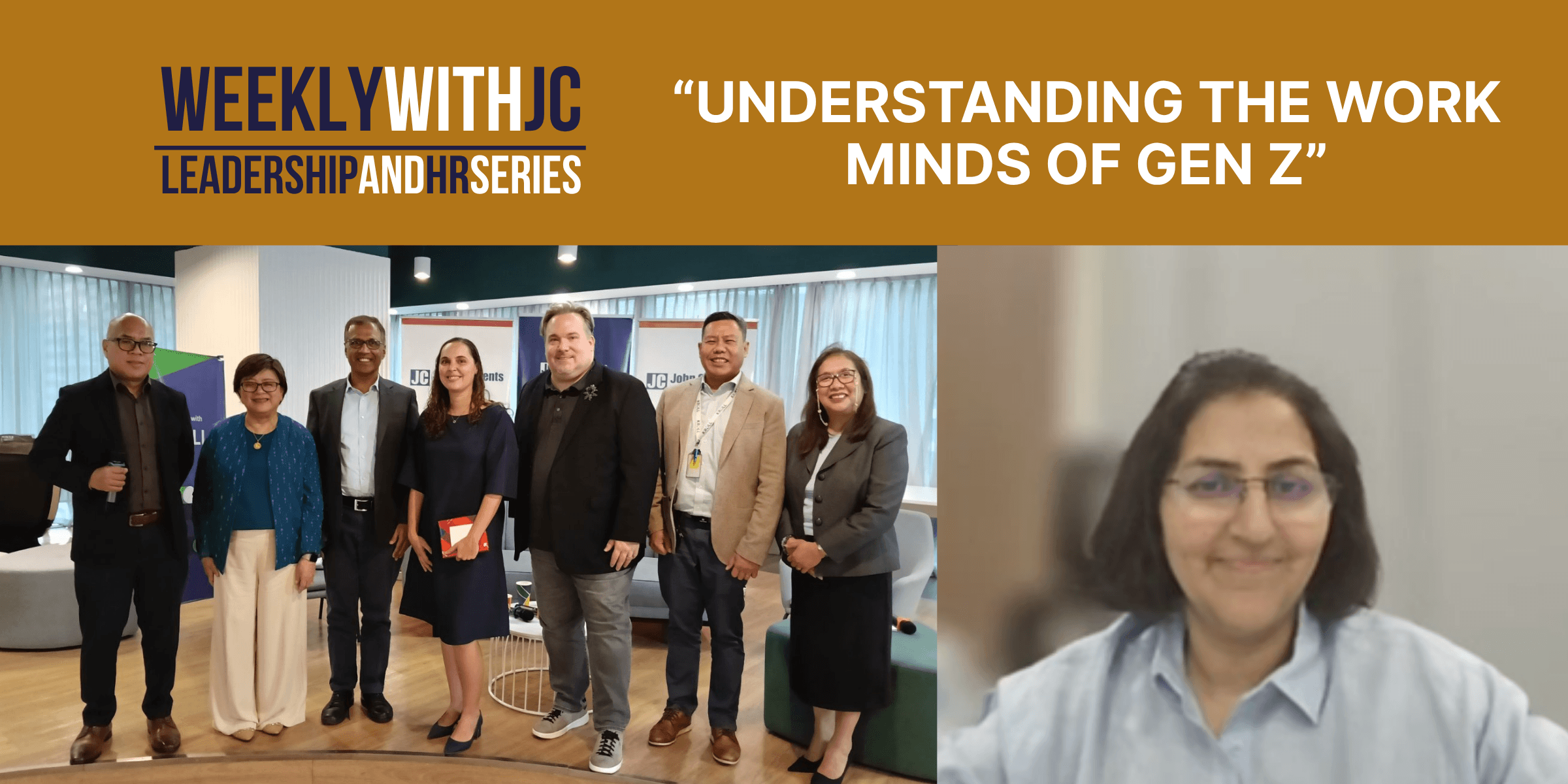
Generation Z is no longer preparing to enter the workforce—they are actively shaping it. As digital natives, they bring new ideas about career growth, well-being, and leadership. Consequently, organizations must rethink how they engage talent and design work environments around Gen Z workplace expectations.
Rethinking Loyalty in the Modern Workplace
One of the most common myths about Gen Z is that they lack loyalty. In reality, loyalty has evolved. Today, it depends more on purpose than tenure.
Gen Z employees look for:
- Meaningful work that aligns with their values
- Continuous learning and career development
- A workplace where their voices matter
Therefore, businesses must adapt retention strategies to reflect Gen Z workplace expectations. Compensation still matters. However, purpose, inclusion, and growth now play equal roles in long-term commitment.
For reference on evolving workforce trends, organizations can explore: https://www.bls.gov
https://psa.gov.ph
Work-Life Harmony Over Work-Life Balance
Another major shift involves how Gen Z views work and life. They prefer harmony, not rigid balance.
Unlike traditional models, work-life harmony recognizes that personal and professional priorities overlap. As a result, flexibility becomes essential rather than optional.
Key priorities include:
- Mental health support
- Flexible schedules or remote work
- Supportive managers
This approach reflects modern Gen Z workplace expectations and signals a broader change in how organizations must operate. Specifically, companies that invest in well-being programs and adaptable policies gain a competitive edge in attracting talent.
AI Fluency Must Be Paired with Critical Thinking
Gen Z grew up in a digital world. They adapt quickly to new tools, including artificial intelligence. This creates opportunities—but also risks.
While they show strong technical confidence, organizations must still develop:
- Critical thinking
- Problem-solving skills
- Ethical decision-making
Technology should enhance human judgment, not replace it. Consequently, companies must balance innovation with foundational skills. This balanced approach aligns closely with evolving Gen Z workplace expectations in the age of AI.
For more context on AI and workforce development: https://www.weforum.org
Authentic Leadership Builds Trust
Leadership styles must evolve. Traditional, top-down structures no longer work as effectively.
Gen Z values:
- Transparency
- Empathy
- Open communication
Leaders must listen. They must coach, not command. Short feedback loops matter. So does honesty.
In contrast to older leadership models, this approach builds trust faster. It also supports psychological safety and team performance. Ultimately, authentic leadership is central to meeting Gen Z workplace expectations.
Building Stronger Multigenerational Workplaces
Workplaces now include multiple generations with different perspectives. Instead of seeing these differences as barriers, leaders should treat them as strengths.
Effective strategies include:
- Cross-generational mentoring
- Open dialogue sessions
- Collaborative team structures
These efforts create stronger cultures and encourage innovation. Furthermore, they help organizations remain agile in a changing world shaped by Gen Z workplace expectations.
Leadership Lessons for the Future of Work
To stay competitive, organizations must adapt quickly. The key lessons are clear:
- Loyalty grows from purpose and development
- Work-life harmony is essential
- AI skills must be balanced with critical thinking
- Authentic leadership drives engagement
- Multigenerational collaboration fosters innovation
These insights reflect a simple truth. The workplace is evolving—and leaders must evolve with it.
Final Thoughts
The future workforce is already here. Organizations that understand Gen Z today will lead tomorrow.
Ready to align your leadership strategy with the future of work? Connect with our team: https://www.johnclements.com/contact-us/

