
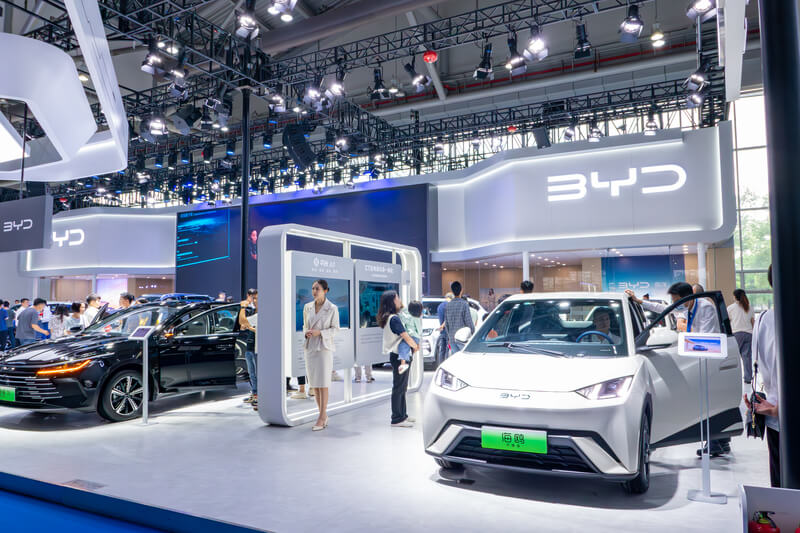
Energy Disruption Sparks New Choices
As the war between the US, Israel, Iran and the Middle East escalated and concerns grew about the disruption of oil shipments through the Strait of Hormuz, I found myself reflecting on our dependency on traditional energy sources. I decided to explore the option of owning an electric vehicle and test-drove a BYD.
From the moment I got behind the wheel, I was struck by the car’s sleek design, smooth driving experience, and the impressive array of technology and features it offered. What began as simple curiosity quickly turned into genuine admiration for how far electric and hybrid vehicles have come.

Choosing BYD Sealion 6
Soon after, I made my decision. I chose the BYD Sealion 6—a hybrid electric vehicle that combines elegant design with advanced functionality and everyday practicality. Today, I am happy to say that I am a proud owner, and the experience sparked a deeper interest in the company behind the vehicle.
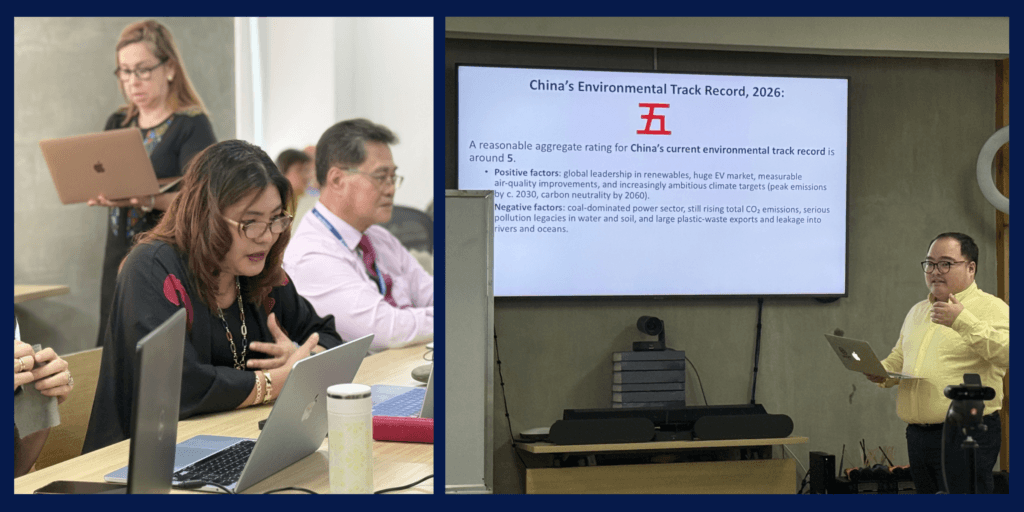
It was particularly timely that our upcoming internal EMBA course included a case study on BYD. Having just experienced the car myself, I became even more curious: how did this Chinese company rise so quickly to become one of the most formidable players in the global electric vehicle industry? This case study explores BYD’s amazing growth, its competitive advantages, and the lessons businesses around the world can draw from its rapid ascent.
BYD: How China’s EV Champion Built a Global Competitive Advantage
BYD (“Build Your Dreams”) has emerged as one of the most formidable players in the global electric vehicle (EV) industry. From its origins as a small battery manufacturer founded in 1995 by chemist Wang Chuanfu, the company has transformed into the world’s leading producer of electric vehicles. Its rise illustrates how technological focus, vertical integration, and long-term strategic thinking can reshape an industry.
BYD’s growth is closely tied to China’s broader EV ecosystem. Over the past decade, the Chinese government invested heavily in subsidies, infrastructure, and industrial policy to accelerate EV adoption. This created the world’s largest EV market and a fiercely competitive domestic landscape with over 100 manufacturers. Within this environment, BYD emerged as the dominant player, competing with global leaders such as Elon Musk’s Tesla.
Several Strategic Advantages Explain BYD’s Success
First, the company adopted an unusually high degree of vertical integration. BYD produces roughly 75 percent of its vehicle components internally, including batteries, semiconductors, powertrains, and key electronics. This approach reduces dependence on suppliers, improves cost control, and allows the company to innovate quickly. In an industry where supply chain disruptions have frequently delayed production, BYD’s integrated model provides a significant operational advantage.
Second, BYD built its strategy around battery technology, recognizing early that batteries would be the most critical component of electric vehicles. The company’s proprietary Blade Battery, based on lithium iron phosphate chemistry, prioritizes safety, durability, and lower cost. While competitors focused on higher-performance batteries using expensive materials, BYD optimized for affordability and scalability—an approach that aligns with mass-market adoption.
Third, BYD benefits from speed and engineering agility. Chinese EV manufacturers typically develop vehicles faster than traditional automakers, often bringing new models to market in about 2.5 years compared with the four-year cycles common in Western firms. Faster iteration allows BYD to update designs, integrate recent technologies, and respond quickly to changing consumer preferences.
BYD’s product strategy also reflects its competitive philosophy. Instead of targeting only premium segments, the company offers vehicles across a broad price range—from ultra-affordable models such as the Seagull to higher-end sedans and SUVs. This approach has enabled BYD to capture significant domestic market share while keeping profitability.
Several Lessons Emerge from BYD’s Rise
First, control of core technology matters. By investing deeply in battery research early on, BYD positioned itself at the center of the EV value chain. Companies that own critical technologies often capture disproportionate value.
Second, vertical integration can be a strategic advantage when speed, cost control, and innovation are critical. While many firms outsource components to remain asset-light, BYD demonstrates how integrated manufacturing can enhance resilience and competitiveness.
Third, long-term vision and patience are essential. BYD spent years building battery capabilities before its EV business scaled globally. Strategic investments often require long time horizons before delivering transformative results.
Finally, BYD illustrates how companies from emerging markets can challenge global incumbents by using cost innovation, technological focus, and rapid experimentation.
As the global automotive industry transitions toward electrification, BYD’s rise signals a shift in competitive power. Whether it can replicate its success in international markets is still uncertain, but its strategic model has already redefined how the EV industry competes.
The Road Ahead
As electrification accelerates worldwide, BYD’s model is reshaping competitive power in the automotive industry. Whether its international expansion will ultimately mirror its dominance in China remains to be seen—but BYD already offers a glimpse into what the future of mobility could look like.
For leaders and organizations navigating similar shifts, BYD’s story offers valuable lessons in strategy, innovation, and long-term thinking. Exploring how these lessons apply to your own context may be the first step toward building capabilities for the next wave of transformation.
Contact us today for tailored leadership and training programs that prepare your organization for the next wave of innovation.

