
For more than five years, I worked with organizations that avoided artificial intelligence altogether. Many leaders believed AI felt impersonal or even disrespectful to clients. As a result, I rarely used it myself. That changed when I joined John Clements Consultants Inc., where I saw firsthand how responsible AI use can improve efficiency without removing human judgment.
During my first week, I noticed AI embedded across internal tools and processes. Initially, the experience felt unfamiliar. However, with strong guidance from colleagues, adoption came quickly. AI proved useful for routine tasks, yet its limitations became just as clear. Errors still happen. Small mistakes slip through. Consequently, human review remains critical.
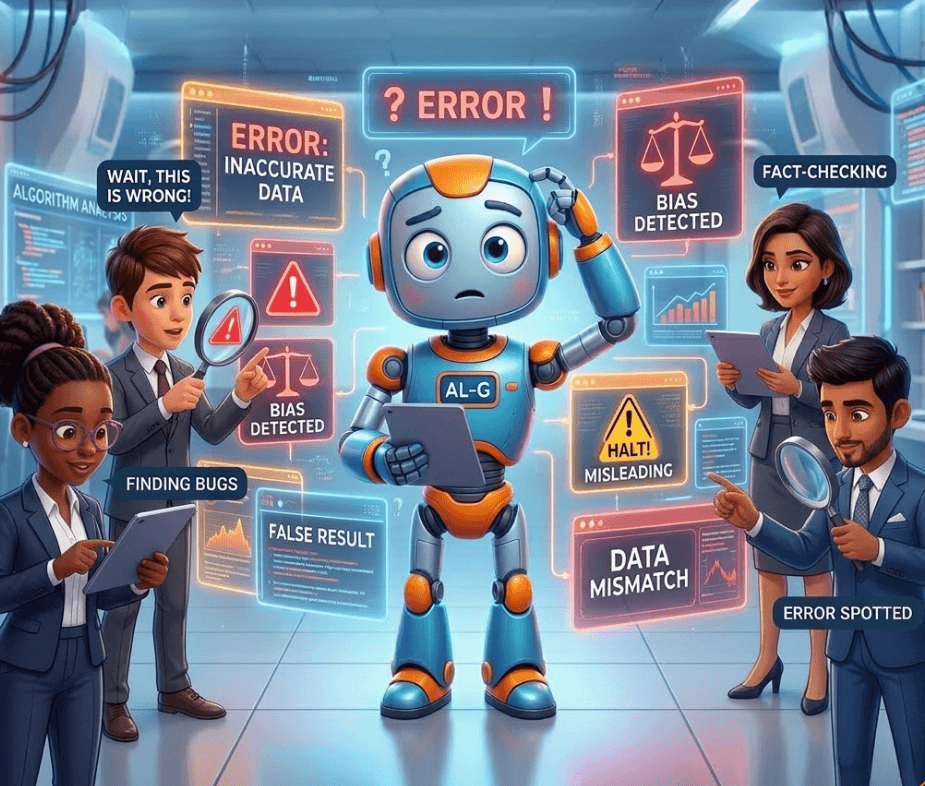
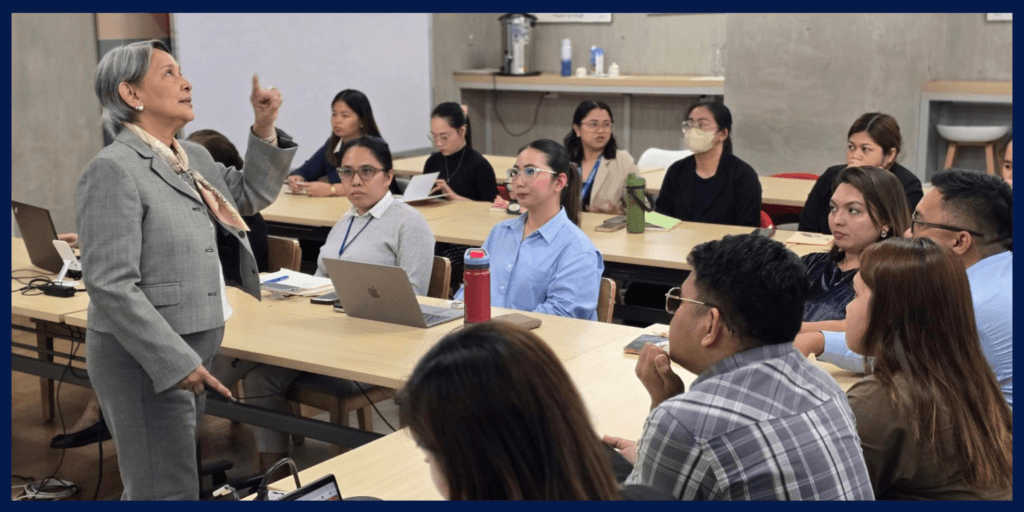
Over‑reliance creates risk. When people trust AI outputs without question, they often miss inaccuracies hiding in plain sight. That realization shaped our recent Learning Bites session, “When AI Gets It Wrong: Spotting Errors, Bias, and Risk.”
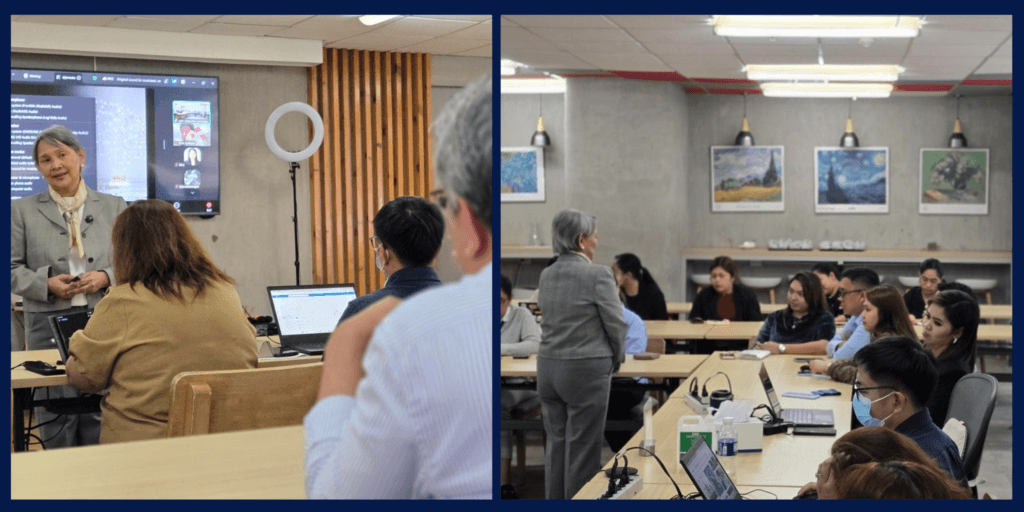
Understanding Hallucinations, Bias, and Risk
AI delivers speed and scale, but it does not think. Specifically, generative AI predicts patterns based on training data rather than verifying facts in real time. This limitation explains why errors occur.
Why AI Can Be Wrong
AI models learn from massive volumes of human‑created content. In contrast to search engines, they do not validate sources before responding. As a result, three major risks emerge.
Hallucinations
AI can generate information that looks credible but is entirely fabricated. These outputs may include false citations, invented statistics, or inaccurate summaries. Treating AI like a fact source invites problems.
Bias
Training data reflects human history. Inevitably, bias appears in AI results. Common sources include:
- Sampling bias
- Labeling bias
- Algorithmic bias
- Cultural bias
Bias becomes especially harmful in hiring, performance evaluation, and recommendation systems.
Industry and policy bodies continue to address these risks through governance frameworks, including those from https://oecd.ai and regional initiatives.
Privacy Risks
Public AI tools may store prompts for system improvement. Therefore, users must never input:
- Client data
- Financial records
- Employee information
- Proprietary materials
In the Philippines, data protection obligations remain governed by the National Privacy Commission (https://www.privacy.gov.ph), which applies to AI‑assisted workflows as well.
Positive and Practical Applications of AI
When applied thoughtfully, AI enhances productivity. Furthermore, it supports creativity rather than replacing expertise.
Common use cases include:
- Brainstorming concepts
- Summarizing long reports
- Exploring unfamiliar topics
- Creating early drafts and outlines
These benefits increase when teams align methods with responsible AI use principles that prioritize accuracy and accountability.
Guidelines for Responsible AI Use
Clear standards reduce risk while preserving value. The following practices define responsible AI use in professional settings:
- Verify information — Cross‑check outputs with trusted sources such as https://dict.gov.ph.
- Question accuracy — Treat responses as drafts, not final answers.
- Protect confidentiality — Never input sensitive or regulated data.
- Disclose AI assistance — Maintain transparency in outputs.
- Retain accountability — Humans remain responsible for decisions.
The Three‑Step Rule
To simplify daily application, follow this process:
- Verify — Confirm facts using authoritative references.
- Question — Assess logic, bias, and context.
- Apply judgment — Decide how outputs support real‑world decisions.
This mindset reinforces responsible AI use while keeping ethics and quality aligned.
Final Takeaway
AI works best as a supporting tool, not a decision maker. By recognizing hallucinations, managing bias, and securing data, teams protect both credibility and trust. Ultimately, responsible AI use ensures innovation moves forward without compromising integrity.
Want to strengthen ethical AI practices in your organization?
Connect with our experts today:
https://www.johnclements.com/contact-us/

