
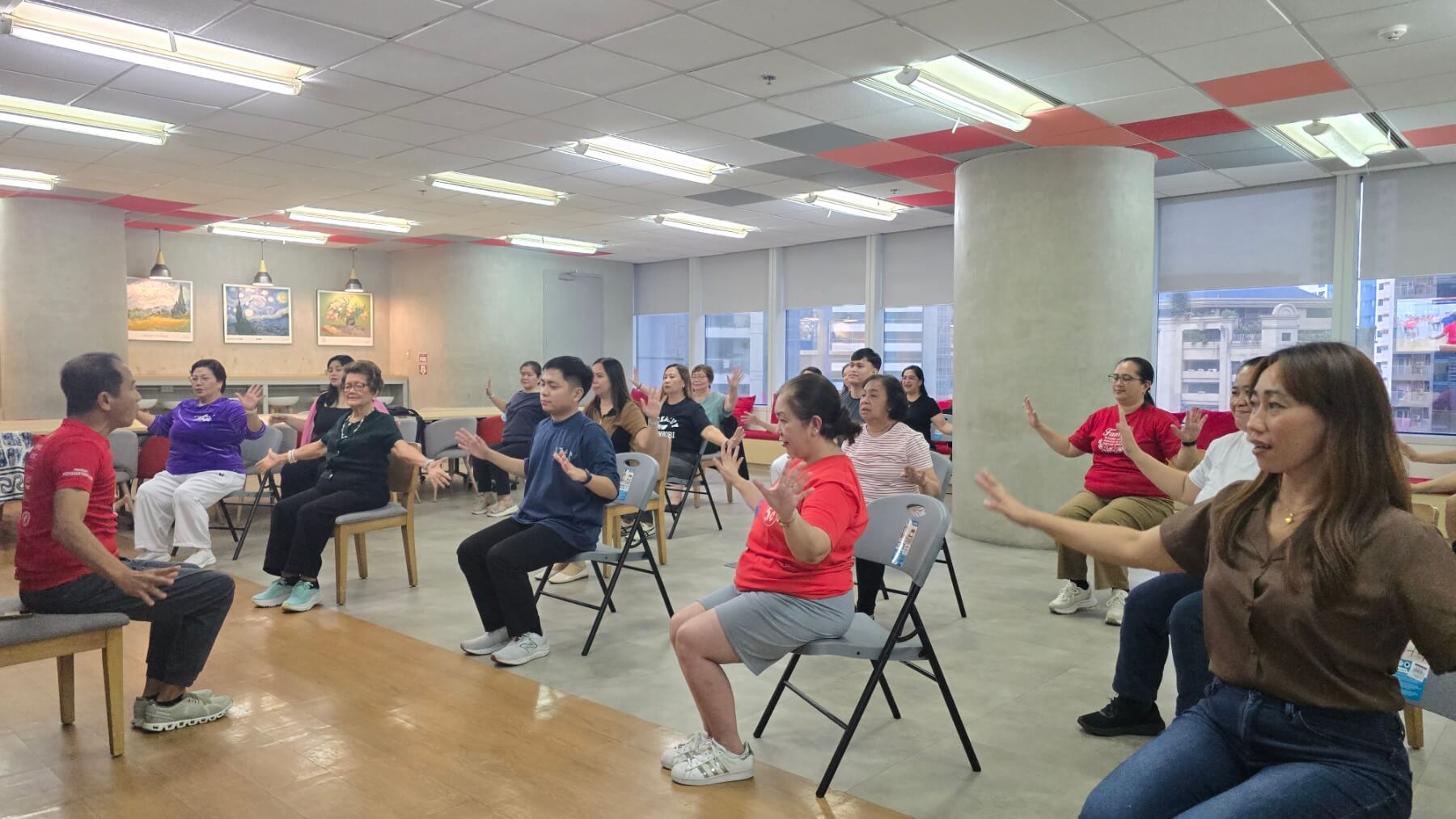
What Makes Chair Dance Unique
Chair dance—also known as chair aerobics or seated dancing—is a low‑impact workout performed while seated in a stable chair. It is widely used in fitness centers, physical therapy programs, and senior mobility classes because of its accessibility and safety. According to the National Institute on Aging, low‑impact movement is an effective way for adults to stay active without overwhelming the joints.
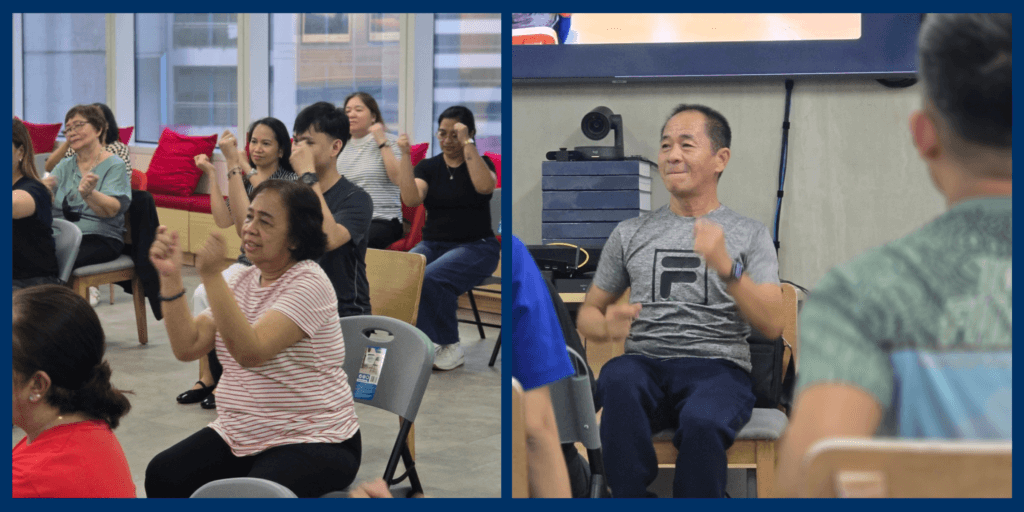
Why Chair Dance Works
The session highlighted several physical and mental benefits. Consequently, it became clear that this activity supports people with very different needs and goals.
- Supports Cardiovascular Health
Chair dance routines raise the heart rate through rhythmic arm and leg movements. These motions help improve circulation and promote endurance. The Department of Health notes that regular physical activity—even in low‑impact forms—reduces health risks.
- Strengthens Key Muscle Groups
This form of exercise engages:
- arms and shoulders
- core and back
- hips and legs
These muscle groups are essential for posture, stability, and everyday movement. Furthermore, office workers who sit for long hours benefit greatly from this added strength.
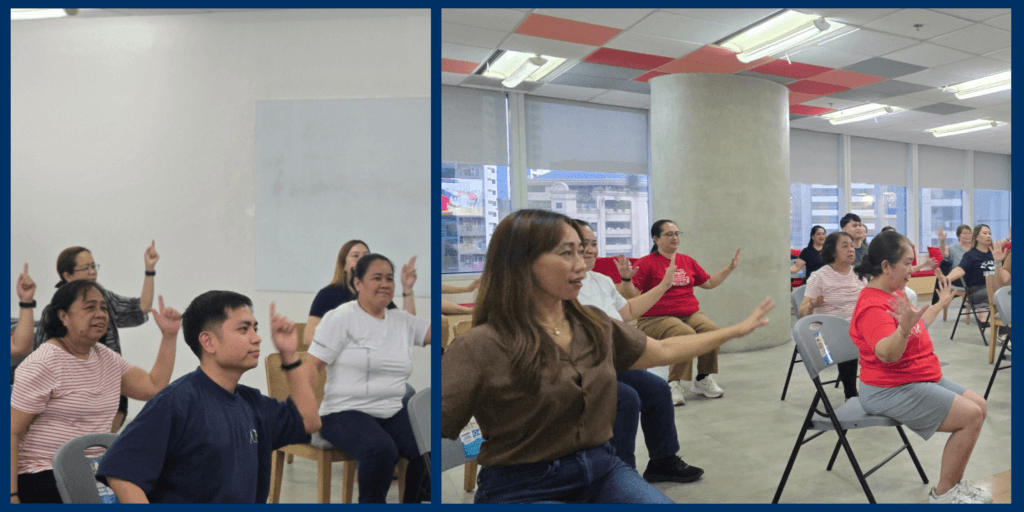
- Enhances Flexibility and Mobility
The stretches and flowing movements help increase joint range and muscle flexibility. This can especially support adults recovering from minor injuries or mobility issues.
- Improves Balance and Coordination
Even while seated, the choreography requires coordination. Specifically, the routines train hand‑foot rhythm, which can improve overall balance when standing or walking.
- Joint‑Friendly and Safe
Because movements are controlled and seated, chair dance places minimal pressure on knees, hips, and ankles. This makes it suitable for individuals with arthritis or limited mobility—an important consideration supported by guidance from the Centers for Disease Control and Prevention.
- Elevates Mood and Cognitive Function
The workouts promote endorphin release and reduce stress. Memorizing steps also helps stimulate cognitive functions, making it one of the most enjoyable wellness activities for workplace settings.
- Inclusive, Accessible, and Social
Anyone can join—regardless of fitness level. This inclusiveness encourages connection, breaks workplace monotony, and strengthens team rapport. In contrast to high‑intensity workouts, chair dance requires no prior experience.
My Personal Takeaway
Before joining, I assumed chair dance was designed mainly for seniors or individuals limited by mobility challenges. The session proved me wrong. As someone who spends long hours seated at work, the movements eased pressure on my right knee and helped improve my frozen shoulder. It also reminded me how essential wellness activities are in maintaining both physical and mental well‑being.
Moreover, the shared laughter and group energy created a sense of connection. For many colleagues, this could mark the start of a fitness journey that accommodates hip, lumbar, or mobility concerns. Most importantly, chair dance became a lighthearted “happy pill”—a refreshing break that made the workweek feel lighter.
Explore More Workplace Wellness Programs
Invest in a healthier, stronger, and more engaged workforce. Connect with us today: https://www.johnclements.com/contact-us/

