

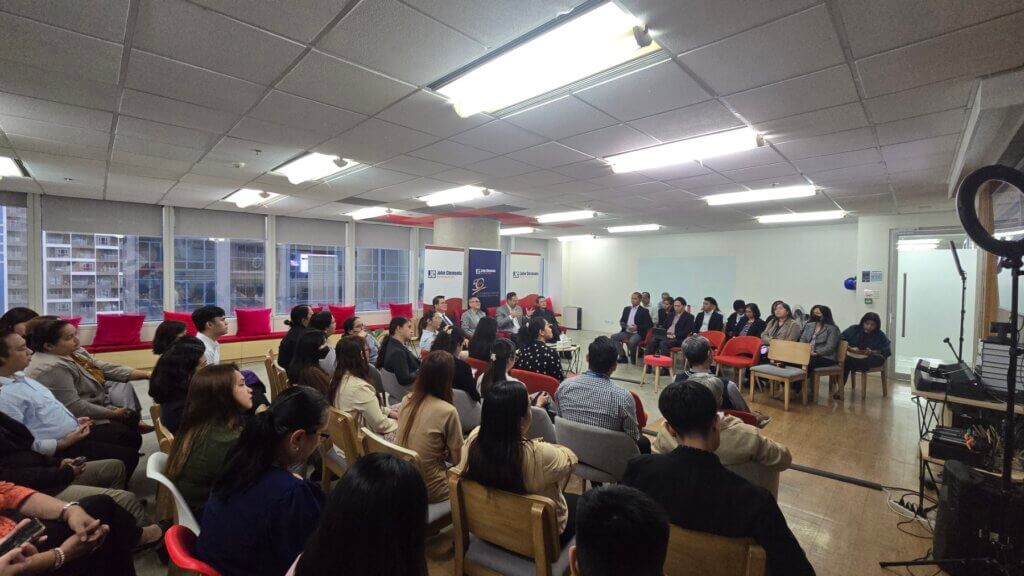
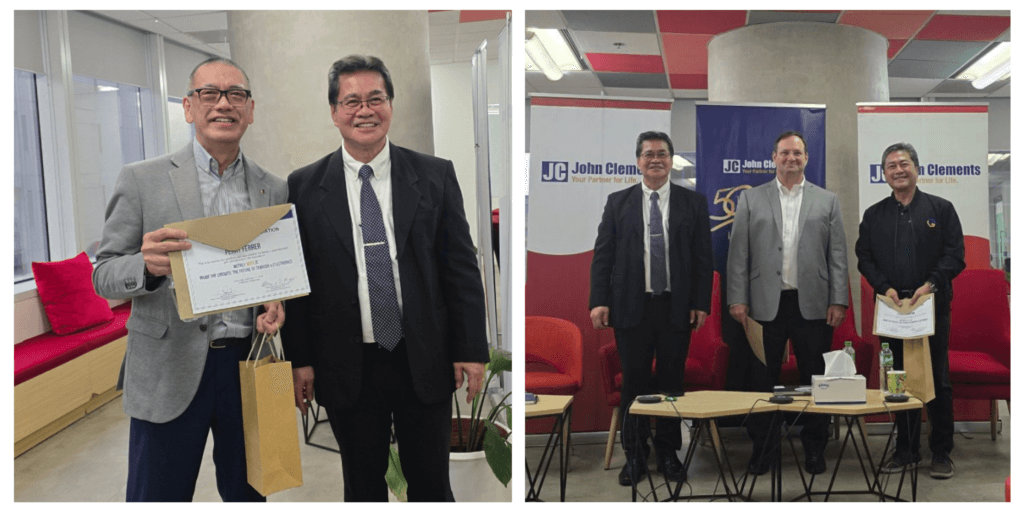
The semiconductor industry forms the backbone of modern technology, powering everything from smartphones to electric vehicles that shape our daily lives. On February 12, industry leaders—including Alex Siegel, General Manager of Conax Technologies; Perry Ferrer, Chairman and CEO of EMS Group; and Elmer Lapena, President and CEO of Testech Group—gathered for the Weekly with JC session to discuss the evolving global semiconductor landscape. Together, they explored how the semicon and electronics industry in the Philippines can strengthen its position in this critical sector, offering insights that highlighted both current challenges and unprecedented opportunities for national growth.
Global Forces Reshaping the Semiconductor Market
Alex Siegel outlined key trends transforming the global semiconductor landscape. Countries worldwide are localizing production to secure their supply chains—China is heavily investing in self-sufficiency while the United States reshores operations to reduce overseas manufacturing dependence.
Meanwhile, demand continues surging. Artificial intelligence (AI) and electric vehicles are driving unprecedented growth, while industry consolidation creates fewer but more dominant market players. These global shifts present the semicon and electronics industry with unique opportunities to specialize in design and packaging rather than competing directly in foundry operations.
The Philippines’ Competitive Edge in Assembly and Packaging
Perry Ferrer highlighted that the Philippines has long excelled in assembly and packaging—critical backend processes in the global supply chain. Semiconductors already represent a significant portion of Philippine exports, demonstrating their vital role in the national economy.
However, the semicon and electronics industry in the Philippines must evolve beyond traditional roles. By developing advanced packaging capabilities and chip design expertise, the sector can capture greater value. Recent European delegations have already generated interest from global players, proving that the Philippines can attract substantial investment with the right ecosystem development.
Key Challenges Facing Semicon Industry
Elmer Lapena identified several critical challenges:
Talent Supply Issues
- Shortage of qualified engineers and skilled professionals
- Need for expanded technical education programs
Policy and Governance Concerns
- Requirement for predictable, stable regulations
- Investor demand for transparent policy frameworks
Market Positioning
While the Philippines’ market size is smaller than giants like China, focusing on chip design could provide a significant competitive advantage. Designing specialized chips—even when manufactured abroad—would position semicon PH more strategically in the global value chain.
AI: The Revolutionary Game Changer
Artificial intelligence is fundamentally transforming semiconductor design and manufacturing processes. AI-driven systems improve efficiency, reduce errors, and accelerate innovation cycles. GPUs, particularly NVIDIA’s offerings, are revolutionizing data centers and enabling machine learning breakthroughs.
The panelists emphasized that AI isn’t merely a tool—it’s a primary driver of industry transformation. However, they cautioned that AI’s effectiveness depends on asking the right questions. Success will require critical thinking, comprehensive workforce training, and strong collaboration between academia, government, and industry to maximize AI’s potential in semicon PH.
Strategic Partnerships: The Path Forward
Partnerships remain essential for sustainable growth. Perry emphasized collaborating with key countries including the U.S., Japan, and Korea. These strategic alliances can deliver:
- Advanced technology transfer
- Foreign direct investment
- Enhanced market access opportunities
The private sector is also exploring innovative approaches, such as blockchain-based transparency in infrastructure projects, building trust and demonstrating the Philippines’ commitment to ethical, efficient practices.
Why Semicon and Electronics Industry Success Matters
The semiconductor industry extends far beyond chip production—it represents economic resilience, technological leadership, and global competitiveness. Strengthening the semicon and electronics industry means:
- Creating high-value employment opportunities
- Boosting national export revenues
- Positioning the Philippines as an Asian innovation hub
The panelists concluded that the Philippines could transcend its traditional backend hub role. Through strategic investments in chip design, advanced packaging, and comprehensive workforce development, the country can secure a more influential position in the global semiconductor ecosystem.
Market Outlook and Growth Projections
According to the presented data, global semiconductor growth reached 25–30% in 2025 and is projected to maintain 25% growth in 2026, with the global market expected to exceed $1 trillion by 2030. While the Philippines’ market outlook is more modest, it remains promising with anticipated growth of 6–11% through 2027.
The Time for Action is Now
The semiconductor industry’s future is being shaped today. For businesses, policymakers, and professionals, the message is unambiguous: act boldly, invest strategically in talent development, and embrace innovation to secure semicon and electronics industry’s competitive position.
Learn more about how John Clements Consultants and our partners are supporting industry growth. Visit our page today.

