
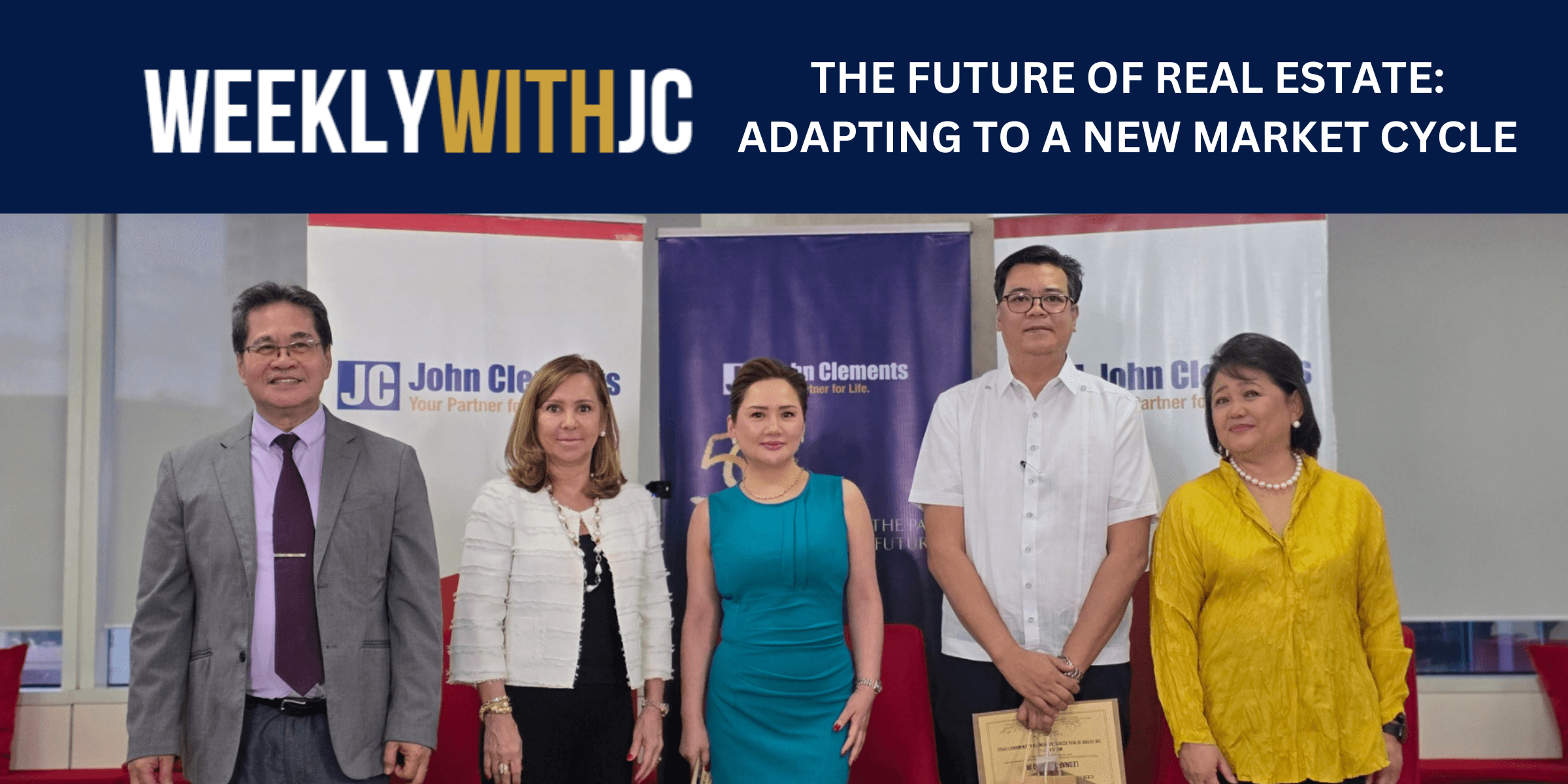
The Philippine real estate market is entering a new chapter. Once defined by rapid expansion, the sector is now transitioning into maturity. On February 5th, industry leaders such as Beth Ventura, President of Anchor Land Holdings, and Leonardo “Bido” Dayao, Jr., President & COO of Cadence Property Development Corp., shared game‑changing insights at the Weekly with JC on how this shift in real estate in PH is reshaping opportunities for developers, investors, and overseas Filipino workers (OFWs).
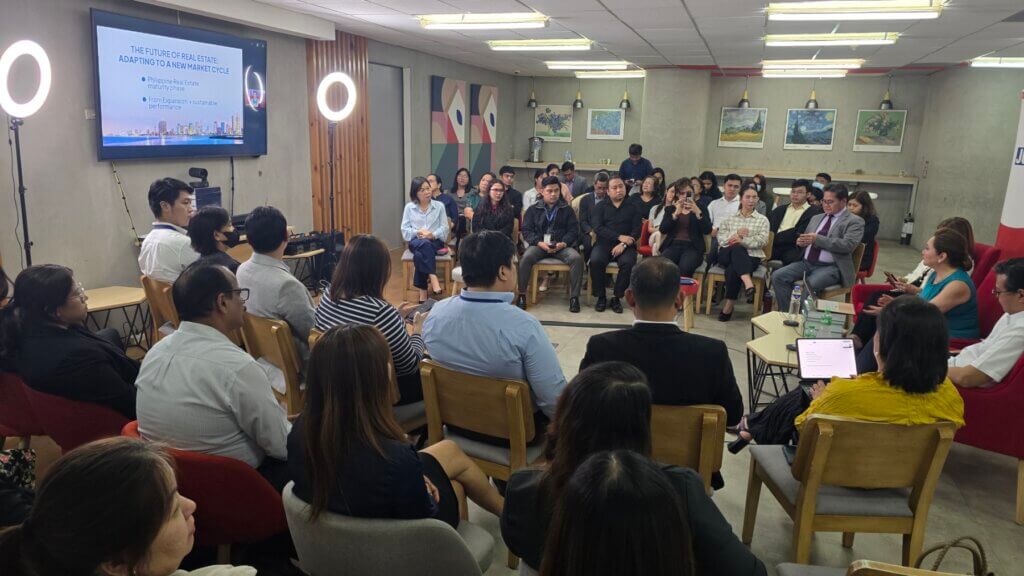
From Expansion to Stabilization
The Philippine real estate market has shifted from aggressive expansion to a stabilization phase. Ventura emphasized the importance of disciplined investing and performance‑based evaluation, while Dayao highlighted the need for developers to adapt to changing conditions. Together, they underscored that sustainability, and resilience will define the next decade of growth.
Key Highlights from Industry Leaders
1. Rising demand for tourism-driven accommodations and regional growth opportunities Industry leaders emphasized that tourism continues to be a powerful driver of real estate growth. With a significant undersupply of hotel rooms and the rise of mixed-use developments, developers are exploring integrated condo-hotel models and regional hubs outside Metro Manila. This shift not only addresses the accommodation gap but also unlocks opportunities in emerging provincial corridors where infrastructure projects are expanding connectivity.
2. The need for discipline, sustainability, and performance in investing As the market transitions from expansion to maturity, investors can no longer rely on volume-driven growth. Instead, disciplined strategies, ESG compliance, and performance-based evaluation are becoming essential. Leaders stressed that sustainable projects—those anchored in real economic drivers like tourism and housing—will deliver long-term value and resilience against market volatility.
3. Challenges ahead: oversupply, rising costs, and customer service gaps Despite opportunities, the sector faces hurdles. Oversupply in certain property segments has created a buyer’s market, while rising construction costs continue to pressure margins. Additionally, customer service gaps in property management have eroded trust among buyers and investors. Addressing these challenges requires operational efficiency, transparent communication, and stronger after-sales support to maintain competitiveness.
These insights reflect a broader global trend where markets mature and investors demand accountability. The World Bank stresses that sustainable urban development is critical for emerging economies.
Tourism as a Growth Engine
Tourism remains a powerful catalyst for real estate. Panelists highlighted a 120,000-room gap in hotel accommodations, suggesting that integrated condo-hotel models could bridge the shortage. This strategy aligns with the Department of Tourism’s push to attract more visitors.
However, challenges persist. International tourist arrivals have slowed, and neighboring countries offer more competitive pricing. To remain attractive, the Philippines must improve infrastructure and reduce costs. Developers are responding by investing in mixed-use projects and regional hubs, creating opportunities beyond Metro Manila.
Housing Backlog and Regional Development
The housing backlog is a pressing issue. Estimates suggest a shortage of 6.5 million units, which could balloon to 22 million by 2040 if left unaddressed. This reality underscores the importance of regional expansion and government-backed housing initiatives.
The Philippine Statistics Authority provides data on housing demand and population growth.
Developers are exploring provincial corridors and BBM projects to meet demand. Improved connectivity, such as new expressways and rail systems, will make provincial living more viable for millennials and OFWs seeking affordable ownership.
ESG and Customer-Centric Approaches
Another defining trend in the real estate status PH is the shift toward ESG compliance and customer-centric strategies. Investors now prioritize occupancy resilience and long-term value over sheer volume.
Panelists stressed that better customer service and professional property management are essential. For Gen Z buyers, rental income properties require clear business models and reliable management. This emphasis on transparency and accountability reflects global investor sentiment, as highlighted by the OECD’s ESG guidelines.
Opportunities for OFWs and Gen Z Investors
OFWs remain a vital segment of the real estate market. Many seek long-term investments that provide both rental income and future retirement security. Panelists advised OFWs to prioritize education and due diligence when investing.
Clark and other emerging hubs were identified as promising areas for investment. With government incentives and infrastructure projects underway, these regions could become magnets for both local and international investors.
For younger buyers, particularly Gen Z, affordability and accessibility are key. Improved transport links to provincial areas may unlock new opportunities for homeownership.
Real Estate and Tourism Synergy
Tourism and real estate are deeply intertwined. As the Philippines seeks to boost competitiveness, developers must align projects with tourism strategies. Mixed-use developments that combine residential, retail, and hospitality functions are gaining traction.
The Asian Development Bank emphasizes that integrated urban planning is essential for sustainable growth.
By focusing on synergy between tourism and real estate, developers can create districts that generate long-term value while enhancing the country’s global appeal.

Challenges Ahead
Despite opportunities, challenges remain. Oversupply in certain segments, rising construction costs, and slow price growth have created a buyer’s market. Developers must balance profitability with affordability, ensuring that projects remain viable.
Operational efficiency, government incentives, and customer experience will be critical in navigating these challenges. The industry’s ability to adapt will determine whether the Philippines can sustain growth in its maturing market.
Evolving Rapidly
The real estate industry in the Philippines is evolving rapidly. From expansion to maturity, the market now demands discipline, sustainability, and customer-centric strategies. Tourism, housing, and regional development will shape the next decade, while OFWs and Gen Z investors remain crucial drivers of demand.
For developers, investors, and policymakers, the message is clear: adapt to changing conditions, embrace ESG principles, and invest in long-term value.
Follow us on our social media pages on LinkedIn, Facebook, and Instagram for more upcoming industry briefings—like our deep dive into the real estate status PH—so you can stay ahead of market trends and investment opportunities.

