

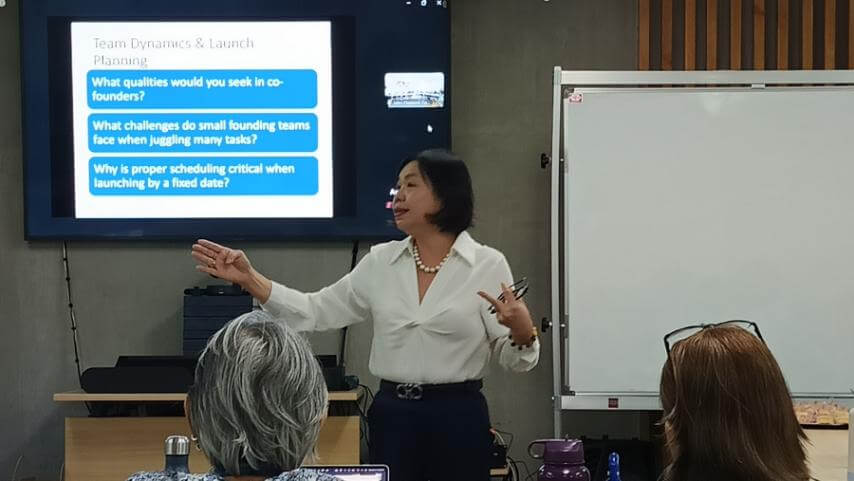
Project management continues to evolve as organizations navigate tighter deadlines, increasing competition, and higher expectations from customers and stakeholders. In a recent learning session led by Ms. Rita Estella, Vice President/Division Head, participants explored the essential principles that make project management not just a business process but a strategic advantage. The discussion opened doors to fresh insights, practical tools, and real-world applications that can benefit companies of all sizes, including startups and growing enterprises.

Understanding the Heart of Project Management
Project management is more than assigning tasks or tracking deadlines. At its core, it is the disciplined process of planning, organizing, and managing resources to achieve specific goals. Projects vary in scale and complexity, but the fundamental purpose remains the same: to deliver an outcome that meets expectations, stays within budget, and aligns with the organization’s objectives.
Why the Critical Path Matters
One of the session’s highlights was the discussion on the Critical Path Method (CPM)—a powerful technique used in project planning and scheduling. Understanding the critical path enables teams to determine which activities directly affect the project’s completion date.
Here are the key roles of the critical path in project management:
- It Determines the Minimum Time Needed to Complete a Project
The critical path shows the sequence of tasks that must be finished on schedule to ensure timely project delivery. Any delay in these tasks can immediately affect the target completion date.
- It Identifies Zero-Float Tasks That Require Close Monitoring
Tasks on the critical path have no room for delay. This zero float makes monitoring essential to prevent small issues from growing into major setbacks.
- It Supports Scheduling and Resource Allocation
By identifying high-priority tasks, managers can plan manpower, tools, and budget more effectively. It also prevents resources from being wasted on lower-impact activities.
- It Aids in Decision-Making and Scenario Planning
The critical path provides clarity when deciding whether to speed up certain tasks, add resources, or test new strategies. It gives managers the information they need to evaluate “what if” scenarios with confidence.
- It Improves Communication with Stakeholders
A clear critical path helps project leaders communicate status updates more accurately. Stakeholders can clearly see where the project stands, where risks may arise, and which milestones matter most.
The Bigger Picture: Why Project Management Matters
The session emphasized that project management goes far beyond task tracking. It ensures projects are completed on time, within budget, and according to quality standards. It aligns work with business strategy, minimizes risks, and creates a more disciplined way of operating.
For growing companies, these benefits are even more important. Small businesses often work with limited resources, making it essential to structure their processes and manage their time wisely. Project management helps them create stability even in environments where uncertainty is common.
Applying Project Management to Small Businesses
While project management is often associated with large organizations, the session highlighted its significance in small businesses as well. Start-ups and growing teams deal with limited resources, which makes disciplined planning even more important.
Here are the key takeaways for small businesses:
- Manage Within the Three Core Constraints
Every business, regardless of size, must balance scope, time, and budget. Clear project management helps owners decide what to prioritize, what to adjust, and where to allocate funds.
- Build Passion and Dedication
Passion may not be a traditional project management tool, but Ms. Estella emphasized how essential it is, especially when starting a business. Passion fuels motivation, while dedication ensures consistency even when challenges arise.
- Strengthen Team Communication
Communication is the backbone of every successful project. Small teams benefit greatly from open discussions, regular check-ins, and shared understanding of objectives and timelines. When communication is strong, teams avoid misunderstandings, prevent delays, and deliver better results.
- Track and Deliver Outputs Efficiently
With proper planning, small businesses can monitor progress, adjust strategies, and complete deliverables within set constraints. This leads to more predictable outcomes and better customer satisfaction.
Final Thoughts: Moving Forward with Confidence
This session served as a reminder that project management is not just a corporate requirement—it is a powerful tool for growth. When businesses understand their priorities, manage their constraints, and communicate effectively, they strengthen their ability to deliver meaningful results. Whether the organization is a large corporation or a small startup, project management provides the structure needed to turn ideas into achievements.
The lessons from this session encourage us to stay focused, stay engaged, and continue learning. With the right mindset and the right tools, every project becomes an opportunity to grow, innovate, and succeed.
Ready to Turn Project Insights Into Real Results?
Strong project management turns plans into progress—and the right guidance can help your teams deliver with confidence. If you’re looking to sharpen your project leadership skills, improve team alignment, or bring structure to complex initiatives, John Clements Consultants offers learning programs, advisory services, and people solutions designed to support organizations at every stage of growth.
Take the next step and explore how John Clements can help strengthen your projects and teams. Contact us today!

