

On October 15, Aris Metin, our Director at EDI-Staffbuilders, facilitated the Learning Bites session focused on navigating interpersonal difficulties in the workplace. “Handle Interpersonal Difficulties in the Workplace with Empathy,” the session explored how empathy can transform conflict into collaboration, reduce stress, and strengthen team performance.
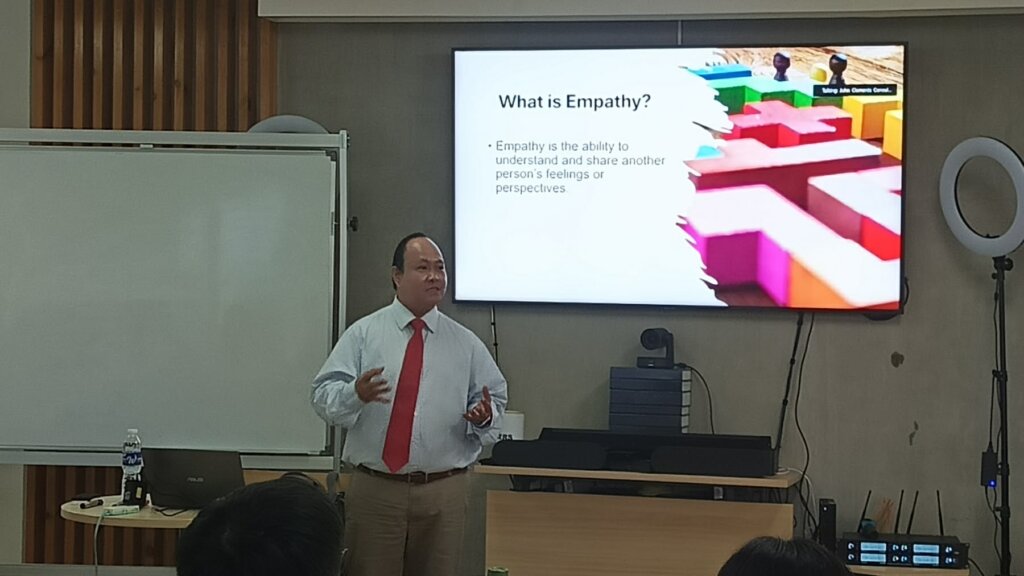
Why Empathy Matters
Interpersonal challenges are part of every workplace. But how we respond to them shapes our culture. Empathy—understanding and sharing another’s feelings—helps us connect, listen, and lead with intention. In high-pressure environments, empathy turns tension into trust and miscommunication into meaningful dialogue.
Key Takeaways from the Session
- Active Listening Builds Trust. Empathy begins with listening. Active listening means tuning in to both words and emotions. When people feel heard, they feel valued.
- Non-Verbal Cues Speak Volumes Body language, tone, and facial expressions often reveal more than words. Recognizing these cues helps us respond with care and prevent escalation.
- Reframe Negative Conversations. Misunderstandings happen. Reframing tough conversations into solution-focused dialogue fosters collaboration and reduces defensiveness.
- Create Safe Spaces for Dialogue. Empathy thrives in environments of trust. When leaders model openness and respect, teams feel safe to speak up and resolve issues constructively.
- Use the Practical Conflict Resolution Tool. Empathy is action. Ask open-ended questions, use “I” statements, and seek common ground. These tools help de-escalate conflict and build understanding.
Empathy in 2025: A Strategic Advantage
As digital tools reshape how we work, empathy becomes even more essential. In virtual and hybrid settings, emotional connection can fade. That’s why empathetic communication is key to building resilient, high-performing teams. It boosts engagement, lowers turnover, and improves collaboration.
Supporting Employee Well-Being
Empathy isn’t just good for team dynamics—it’s essential for mental health. When employees feel genuinely understood, their stress levels drop, morale improves, and trust deepens across the organization. In fact, studies show that empathetic leadership directly correlates with lower burnout and higher engagement.
According to SHRM, 84% of workers reported experiencing at least one mental health challenge in 2022, with empathy cited as a key factor in improving workplace well-being.
Empathy helps leaders recognize emotional cues, respond with care, and create psychologically safe spaces where employees feel heard. This emotional intelligence fosters resilience and reduces absenteeism, as highlighted in Businessolver’s whitepaper on empathy and mental health.
Creating a culture of empathy also means building inclusive systems that support diverse emotional needs. As ISOwise notes, empathy bridges communication gaps and builds a foundation for long-term mental health support.
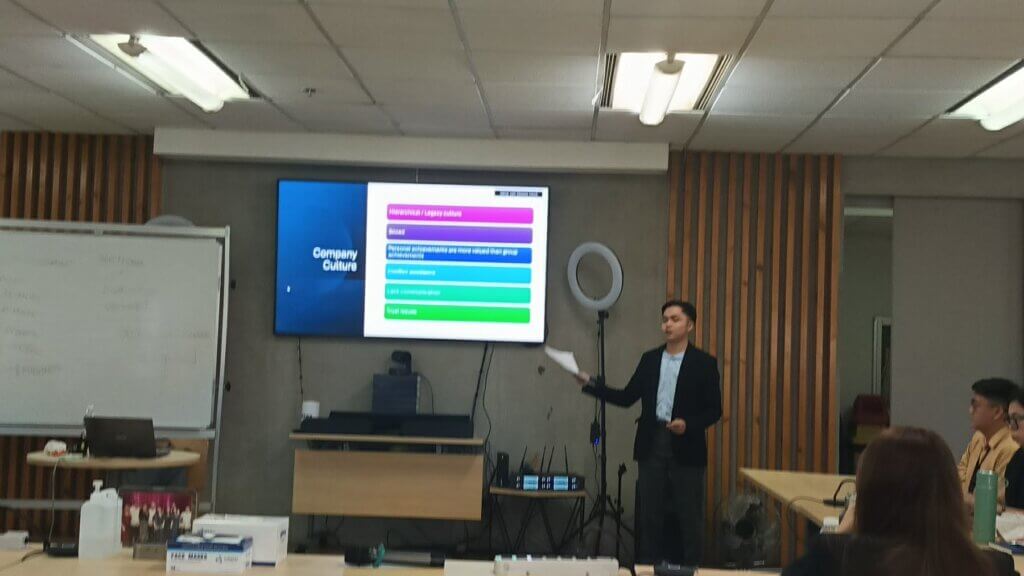
Strong relationships lead to stronger teams—and empathy is the glue that holds them together. By prioritizing empathetic communication, organizations not only improve well-being but also unlock higher performance, loyalty, and innovation.
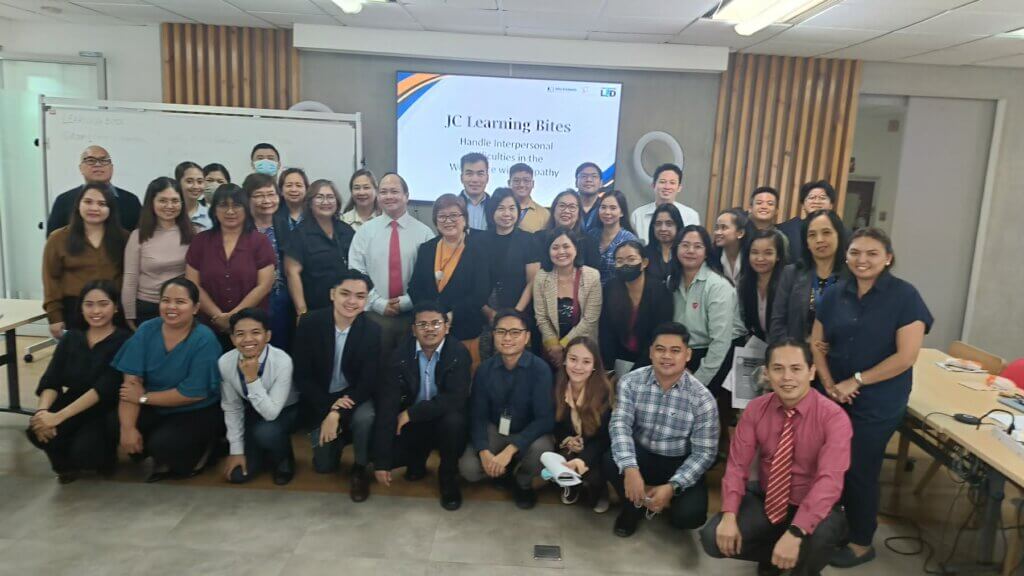
Continuing the Conversation Internally
The October 15 Learning Bites session was just the beginning. As part of our ongoing commitment to employee development, future sessions will explore emotional intelligence, leadership strategies, and workplace wellness—equipping our teams with tools to lead with empathy and impact.
Empathy isn’t just a soft skill—it’s a leadership imperative. By addressing interpersonal difficulties with empathy, we foster a culture where people feel seen, heard, and empowered to thrive.
Visit the John Clements Leadership Institute to learn more about our internal leadership development programs.

