

On October 2, 2025, I joined the 8th batch of the Breakthrough Development Program (BDP) at John Clements Consultants, Inc. Dr. Grace Alcid led a focused session on time management. I arrived anxious and slightly overwhelmed. I left with clear tools and a plan I could use the next day.
Why I felt Overwhelmed
I had just moved from campus life into a fast-paced office. New systems, tight deadlines, and a need to prove myself built up quickly. At first, I equated being busy with being effective. I stayed up late, answered every message, and showed up for everyone. I felt useful—until the results came in patchy. That mismatch between effort and outcome left me drained, frustrated, and questioning the point.
The moment that changed my view
During the session, we studied Chet Craig’s case. He worked all day yet made little progress on key goals. That example hit home. It exposed a common trap: the addiction to urgency. Long hours had become a badge rather than a strategy. In that moment, I realized something had to change.
The Core Trap: The Addiction to Urgency
Chet Craig, like many new or overwhelmed managers, was trapped by constant firefighting. His day was dominated by urgent issues rather than important long-term goals. What stands out most to me is the importance of intentional time management strategies, hence the recommendation of using tools like the Eisenhower Matrix, practicing time blocking and delegation of tasks, which demonstrates that effectiveness requires deliberate effort in setting boundaries and aligning daily activities with broader organizational goals.
From a personal perspective, I realize how essential it is to cultivate the discipline of prioritization, beginning the day with strategic tasks rather than allowing reactive demands to dictate your schedule. 
Protecting Time and Setting Boundaries
Chet’s primary problem was a lack of protected time. He started with clear priorities, but left them vulnerable to constant interruptions. The session stressed that if you don’t schedule time for strategic work, the urgent will always consume it. Additionally, Chet’s accessibility made him the default problem-solver, creating poor boundaries, hence the discussion on whether it would be better to hire a supervisor or to just incorporate a new system by broadening the job description or roles to his subordinates and a proper delegation of tasks for everyone.
Ultimately, the case reinforces that effective leadership is not measured by how much time is spent working, but by how wisely that time is managed. It is a reminder that creating protected time for reflection, planning, and innovation is not only beneficial for personal productivity but also crucial for advancing organizational success.
Tools I started using immediately
- Eisenhower Matrix — I now sort tasks by urgent and important first thing in the morning.
- Time blocking — I reserve two daily blocks for deep work and protect them like appointments.
- Delegation checklist — I list routine tasks I can assign, then train a colleague to take them on.
These are simple. They are not flashy. Yet they gave me instant control. The first week I used them, my priority tasks moved from “maybe tomorrow” to “done today.”
How I protected my time
Before BDP, interruptions ruled my day. Now I set a clear rule: if it is not urgent and not mission-critical, it waits. I used calendar rules and short auto-reply templates to manage expectations. I labeled two hours as “Focus — No Meetings.” Colleagues respected it because I communicated why it mattered.
Setting boundaries without seeming unhelpful
I learned to be accessible but not available 24/7. I created a tiered response plan: emergencies get immediate attention; non-urgent items receive a daily or end-of-day reply. This reduced reactive firefighting and showed my team that I could be dependable and disciplined at once.
Leadership lessons I experienced firsthand
Leaders are not measured by how much they do. They are measured by what they protect. I learned that the delegation is not dumping work. It is a growing capability. During the session, we explored whether to hire a supervisor or to upskill existing staff. I opted to delegate and coach first. The results surprised me: team members grew more confident, and my strategic time increased. 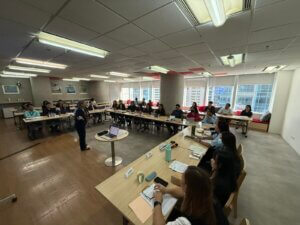
Real results I tracked
After two weeks of applying BDP methods, the shift was undeniable. I finally completed two strategic tasks I’d been avoiding for over a month. My inbox felt lighter—not because I worked more, but because I reacted less. With fewer knee-jerk replies, I had more space to think, prioritize, and lead. The stress didn’t vanish overnight, but it stopped running the show. These small wins added up quickly. Colleagues noticed. My manager asked what had changed.
Turns out, clarity isn’t loud—but it gets noticed.
Why BDP works for new hires like me
BDP does not promise an overnight transformation. Instead, it gives clear, repeatable habits. The program starts with self-management because everything else builds on that. If you cannot protect your time, you cannot lead projects, plan strategy, or coach others effectively.
What comes next
Session one built a habit: manage yourself first. The next BDP module will tackle goal setting. I expect to learn how to translate protected time into measurable milestones and performance outcomes.
Ready to give your team the same edge? Learn more and enroll in the Breakthrough Development Program (BDP) at the John Clements Leadership Institute: https://johnclements.com/client-solutions/john-clements-leadership-institute-jcli/

