
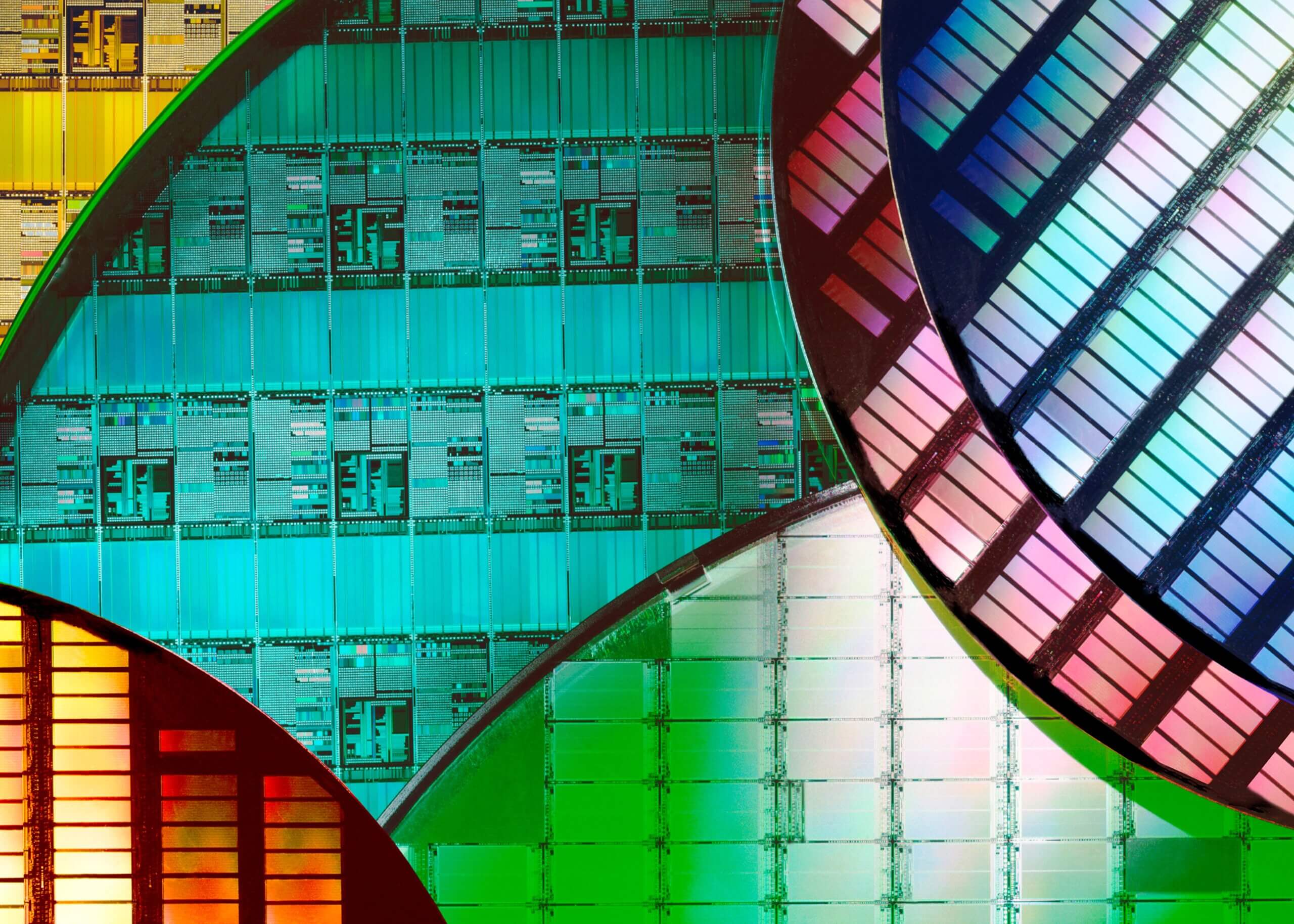
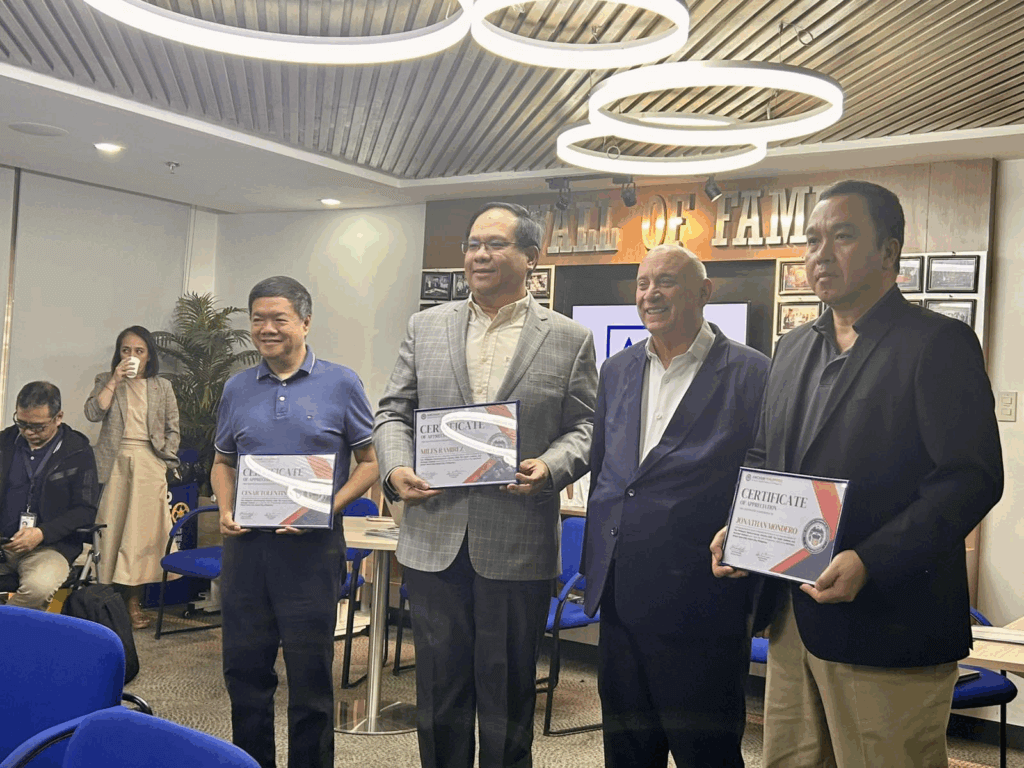
On September 19, 2025, industry leaders, government representatives, and business professionals gathered at the American Chamber of Commerce (AmCham) Robert Sears Hall for a timely discussion on “The Philippine Semiconductor Industry 2025: The Latest Updates and Strategic Outlook.” The session highlighted the sector’s impressive growth, pressing challenges, and the transformative opportunities that could define its future.

A Global Player with Untapped Potential
The Philippines has long been a vital part of the global semiconductor supply chain. In 2024 alone, the country exported $42.74 billion worth of semiconductors, peaking at $49.5 billion, which accounted for 70% of all Philippine exports. This makes the sector the single largest export driver of the economy. Remarkably, the Philippines supplies 5% of the world’s semiconductor demand, primarily in assembly, testing, and packaging.
Yet despite this global footprint, the country still lacks wafer fabrication capabilities, a critical gap if it wants to move further up the value chain. As one panelist noted, “We’re strong in the middle of the supply chain but not at the start,” highlighting the need for the Philippines to expand beyond traditional Assembly, Test, and Packaging (ATP) services.
Where Our Chips Go: Key Export Destinations
The U.S. remains the Philippines’ largest export destination at 17%, followed by Hong Kong—a vital global distribution hub—then China, Japan, and Singapore. This diversified export footprint reflects the country’s strategic position in the global semiconductor network.
Challenges on the Road to Competitiveness
While the Philippines has many strengths—particularly its highly productive and English-proficient workforce—the discussion underscored several major challenges:
- High logistics and electricity costs remain a barrier to competitiveness. Manufacturers are forced to invest in backup generators to prevent millions of dollars in potential equipment damage.
- The skills gap is widening, with a shortage of specialized engineers and technicians for advanced manufacturing.
- Limited Advanced Assembly, Test, and Packaging (ATP) and IC design services hinder the country’s ability to capture higher-value segments.
- Regional competition from countries like Vietnam with more developed ecosystems adds pressure.

Government Initiatives and Industry Collaboration
Encouragingly, the government has begun to act. The Semiconductor Electronics Industry Council, created in March 2024, recognizes semiconductors as a priority sector. Current programs focus on:
- Talent development: Enhancing applied science courses and expanding Master’s and PhD programs to build a deeper technical talent pool.
- Infrastructure improvements: Reducing costs and improving reliability in energy and logistics.
- Industry growth: Supporting proof-of-concept projects for wafer fabrication and strengthening partnerships with global technology players like TSMC.
These steps signal a shift from maintaining the status quo to building an ecosystem for innovation.
Opportunities on the Horizon
What excited me most during the session was the forward-looking discussion on future opportunities. The Philippines could position itself as a regional hub for:
- IC Design and Advanced EMS
- PCB fabrication and supply chain expansion
- Specialized semiconductor training centers to address the skills gap
- Wafer fabrication proof-of-concepts, which, if successful, could usher in a new era for Philippine manufacturing
These initiatives could elevate the country’s role from a reliable assembly partner to an innovation and technology leader in Asia.
My Key Takeaways
As a participant, I left with three major insights:
- Scale isn’t enough—While the Philippines is a significant global supplier, capturing higher-value segments like wafer fabrication and IC design is essential for sustainable growth.
- Talent is the linchpin—Developing specialized skills and advanced degrees will determine whether the Philippines can compete with regional players.
- Collaboration is key—Government, academia, and industry must workhand-in-hand to create an ecosystem that supports both innovation and competitiveness.
The discussion at AmCham reinforced that the Philippine semiconductor industry is at a crossroad. With deliberate action, bold investments, and strong partnerships, the country has the potential to transform itself from a manufacturing base into a high-tech innovation hub powering the global economy.
Shape the Future with the Philippine Semiconductor Industry 2025
The Philippine semiconductor industry is at a turning point—poised to move from being a global assembly hub to a true leader in innovation and high-value technology. As highlighted in this article, success will rely on bold investments, talent development, and strategic partnerships.
At John Clements Consultants, we’ve spent decades helping businesses and professionals navigate transformative industries by providing workforce solutions, talent development, and specialized services that empower growth. Whether you’re a company seeking to expand in this critical sector or a professional aiming to build a future-ready career, we can help.
Contact us today and see how we can work together in turning your vision into reality.

