
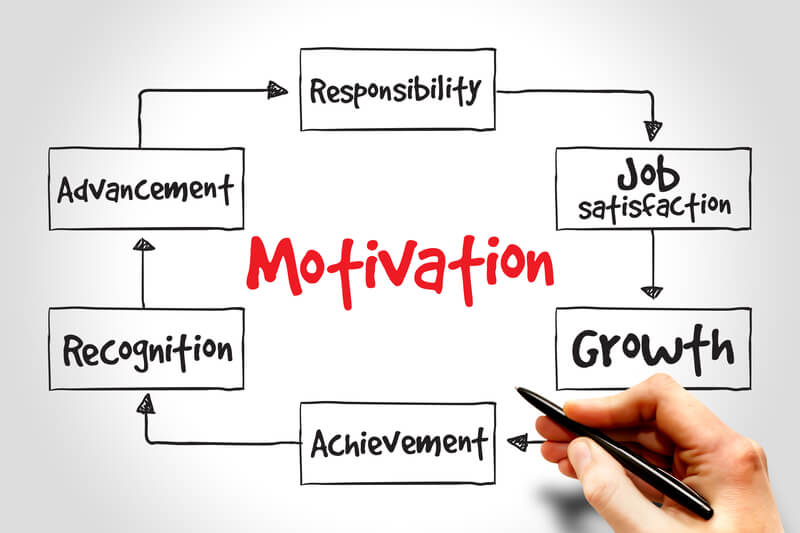
“No one can make you feel as good as what you yourself can do.”
My father told me that in grade school, and it stuck. He taught me to study harder, not for prizes or praise, but for the pride that comes from doing well. That lesson shaped how I view motivation in the workplace. And why I believe the most powerful drive comes from within.
That said, I’ve also seen how collective purpose can be just as powerful. When I worked in South Korea for about seven years, I noticed that employees were deeply motivated to excel—not just for themselves, their families, or their companies, but for the progress of their country. There was a shared patriotic devotion: a belief that when everyone works hard, the nation advances, and every citizen benefits. It’s a beautiful mindset—touching, admirable, and worth emulating. But that’s South Korea.
Today’s Learning Bites session brought that belief full circle. The session was facilitated by Roger Santos, Director of Sales and Operations under the Service Delivery Hub. Through his expert maneuver, we explored the Stanford Graduate School of Business case study Motivating Others – Selected Vignettes, which tackled real-world leadership dilemmas: managing former peers, retaining top talent, giving tough feedback, and navigating workplace dynamics. Each scenario reminded me that motivation isn’t just about performance—it’s about people.
Why Intrinsic Motivation Matters
When I started working, I found it amusing to be rewarded for being a “game changer” or “most productive.” But when I began managing teams, I struggled. I believed motivation should be intrinsic—not driven by bonuses or perks. And while those incentives can help, they’re just the cherry on top. The real cake? Recognition, purpose, and connection.
I once consulted for a company that offered hefty bonuses to sales staff who hit aggressive monthly targets. Sounds great, right? Except it led to short-term wins and long-term burnout. Some reps began gaming the system—overpromising to clients, sidelining collaboration, and chasing numbers at the expense of integrity. The company’s reputation took a hit, and retention plummeted.
The problem wasn’t that bonuses were offered—they can be helpful. The issue was that the company only rewarded one thing: hitting sales targets. That narrow focus overlooked other valuable contributions, such as mentoring new teammates or helping the team succeed as a whole. Those efforts went unnoticed. That’s when it hit me: money can push people to perform, but it’s the deeper meaning behind their work—the feeling of being seen, valued, and purposeful—that truly keeps them going.
Intrinsic vs. Extrinsic Motivation: A Clear Contrast
Roger explained that intrinsic motivation is fueled by internal desires—doing something because it’s interesting, fulfilling, or aligned with personal values. It’s the joy of solving a tough problem, the pride in mastering a skill, or the satisfaction of contributing to a purpose-driven team.
Extrinsic motivation, on the other hand, comes from external incentives like money, grades, or praise. It’s the kind of motivation that pushes someone to work overtime for a bonus or study hard to earn a high grade. While it can boost short-term performance, it often fades once the reward is no longer present.
Intrinsic motivation focuses on personal growth, mastery, and purpose. It’s harder to measure, but it builds long-term engagement and satisfaction. Extrinsic motivation is easier to track and can be useful for routine tasks or urgent goals—but if overused, it can undermine intrinsic drive and lead to shortcuts or burnout.
To build sustainable motivation in the workplace, leaders must learn to balance both—and lean into what truly lasts.
The Four Drivers of Motivation in the Workplace
To spark real motivation in the workplace, leaders must tap into four key drivers:
- Purpose – People want to know their work matters. Share the “why” behind every project. Connect tasks to impact.
- Mastery – Give your team opportunities to grow. Offer challenges, mentoring, and skill-sharing. Progress fuels pride.
- Autonomy – Let people own their process. Set clear goals but allow flexibility in how they get there.
- Relatedness – Create space for connection. Weekly “wins & learnings,” coffee chats, or team rituals build belonging.
Common Pitfalls That Kill Motivation
The case study revealed several traps leaders fall into:
- Over-relying on extrinsic rewards, which can kill motivation and foster shortcuts
- Forgetting to show appreciation regularly—or only doing so at the end of big projects
- Treating motivation as a management task instead of a team-wide culture
These missteps often lead to disengagement, resentment, or performative behavior. But there’s a better way.
Smarter Strategies for Motivation in the Workplace
Here are six research-backed practices that build motivation without undermining the joy of the work itself:
- Don’t promise rewards in advance. Surprise people when they do well—it keeps their natural interest alive.
- Keep rewards small. Big incentives can actually decrease performance.
- Reward continuously. Every day is a chance to say, “I see you.”
- Reward publicly. Acknowledging someone in front of others sets a standard.
- Focus on behavior. Reward effort and integrity—not just results.
- Let peers reward peers. Use tools like a Kudo Box to let teammates appreciate each other authentically.
Final Reflection: Culture Over Currency
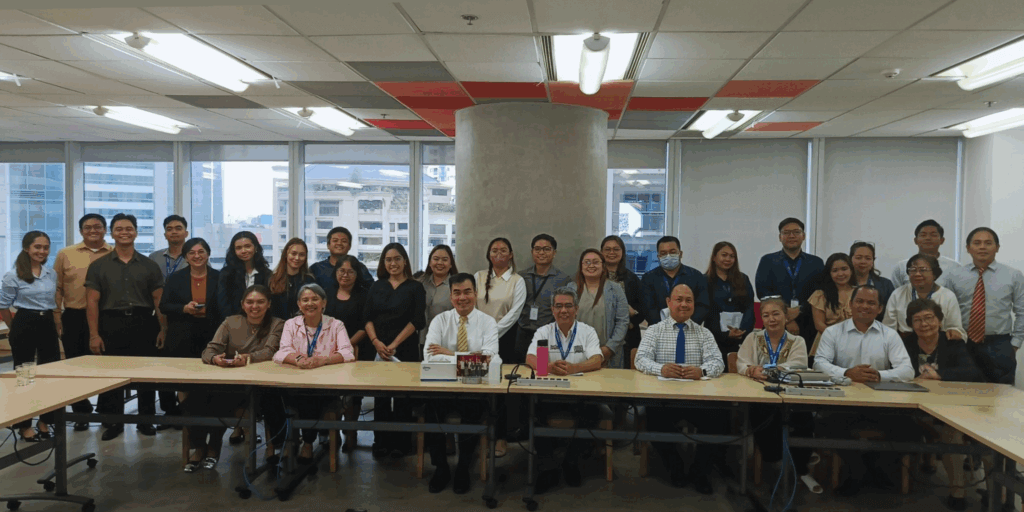
In my experience, what truly fuels performance is public recognition. When someone’s effort is recognized, acknowledged, and celebrated, it lifts morale in ways that money simply can’t. And when morale is high, people don’t just work harder—they work with heart.
The Learning Bites session ended with a challenge: “What intrinsic motivator could you tap into this week to help someone feel more engaged and valued?” That question lingers.
Motivation in the workplace isn’t about pushing harder—it’s about pulling together. It’s about remembering that we’re human. We make mistakes. We get tired. But we also rise, support each other, and keep going.
So let’s build cultures where people feel seen, heard, and valued—not just paid.
Contact us today to explore learning programs that help your teams stay fired up—for the right reasons.

