

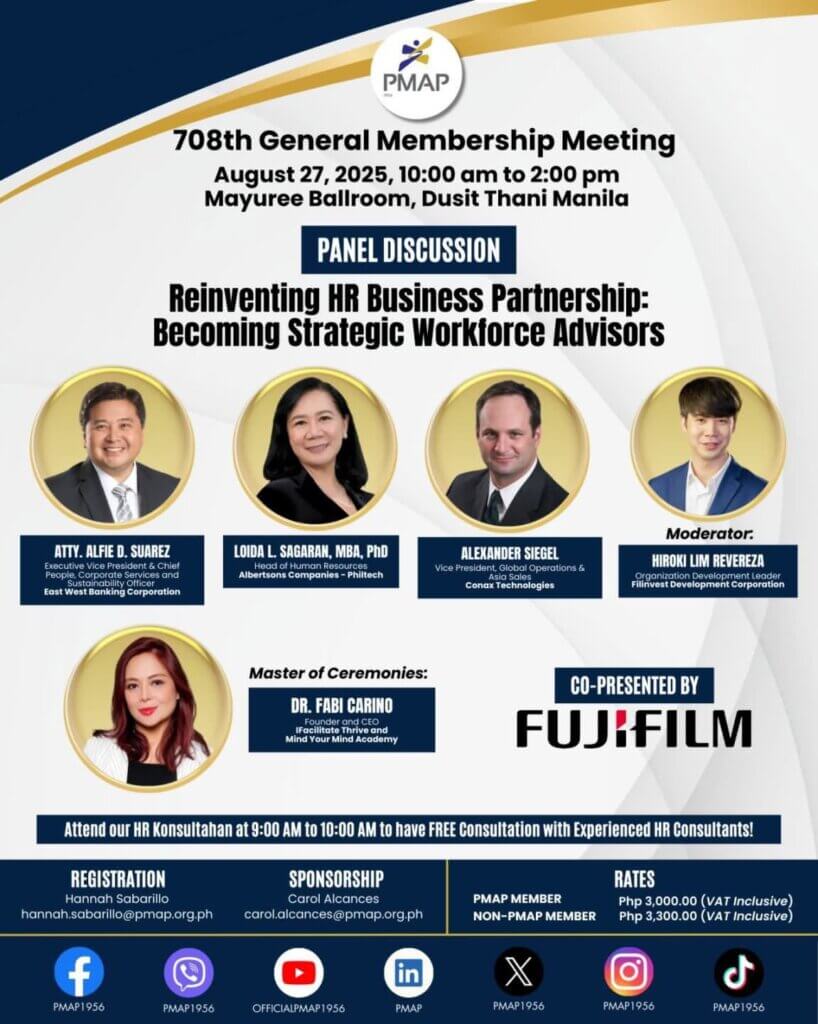
On August 27, 2025, HR professionals convened at the Dusit Thani Hotel in Makati for the 708th General Membership Meeting of the People Management Association of the Philippines (PMAP). The event featured a compelling panel discussion titled “Reinventing HR Business Partnership – Becoming Strategic Workforce Advisors,” which spotlighted the evolving role of HR Business Partners (HRBPs) in today’s dynamic business landscape.
From Support to Strategy: The HRBP Evolution
Moderated by Hiroki Revereza of Filinvest Development Corporation, the panel included Loida Sagaran, Head of HR at Albertsons Companies Philtech; Alfie Suarez, AVP and Chief People Officer at EastWest Bank; and Alex Siegel, VP of Global Operations at Conax Technologies. Together, they explored how HRBP roles have transformed—from administrative support functions into strategic business influencers.
The discussion mapped out the evolution of HRBP through three distinct phases:
- HRBP 1.0: Focused on administrative and transactional tasks such as policy interpretation and issue resolution.
- HRBP 2.0: Adopted a consultative and enabling approach, supporting managers and collaborating with Centers of Excellence.
- HRBP 3.0: Now strategic and aspirational—data-driven, AI-aided, and deeply embedded in business strategy.
Importantly, panelists emphasized that this evolution is additive rather than sequential. Foundational skills from earlier phases remain vital for credibility and impact in strategic roles.
Building Strategic Influence Through Fundamentals
Alfie Suarez underscored that strategic HR cannot thrive without mastery of administrative fundamentals. He described HRBPs as the “best supporting cast,” aligning people strategies with business goals and adapting their roles to meet organizational needs.
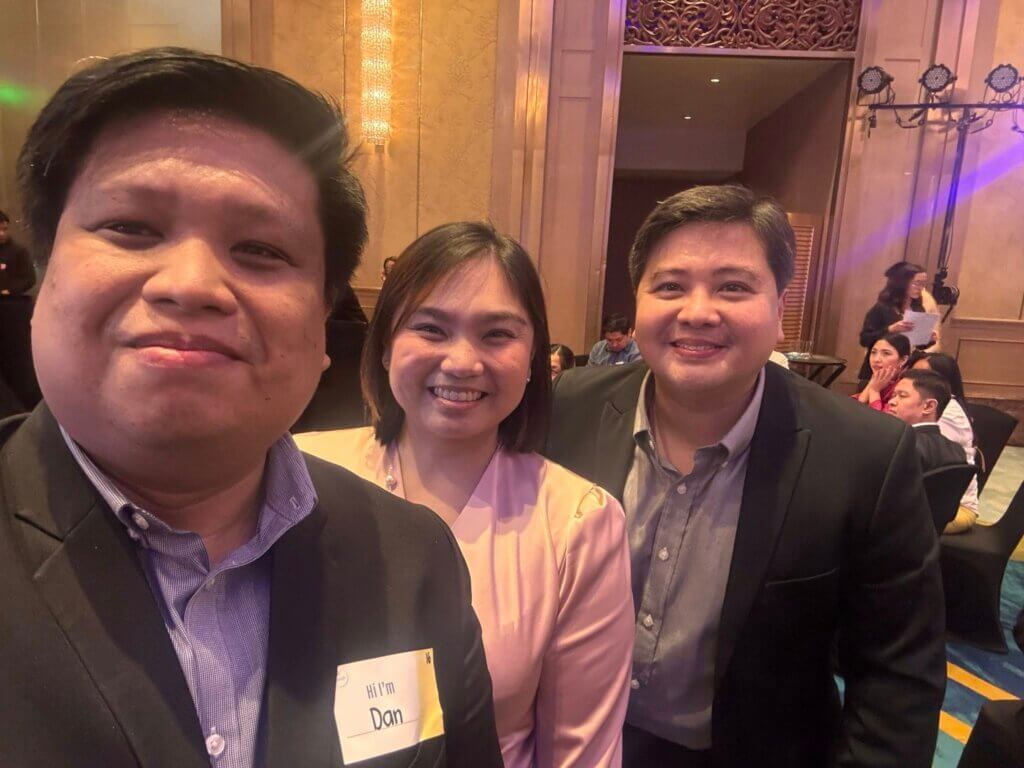
Loida Sagaran emphasized the importance of building trust and presence. She noted that transactional excellence lays the groundwork for problem-solving and results-oriented strategies that drive business impact.
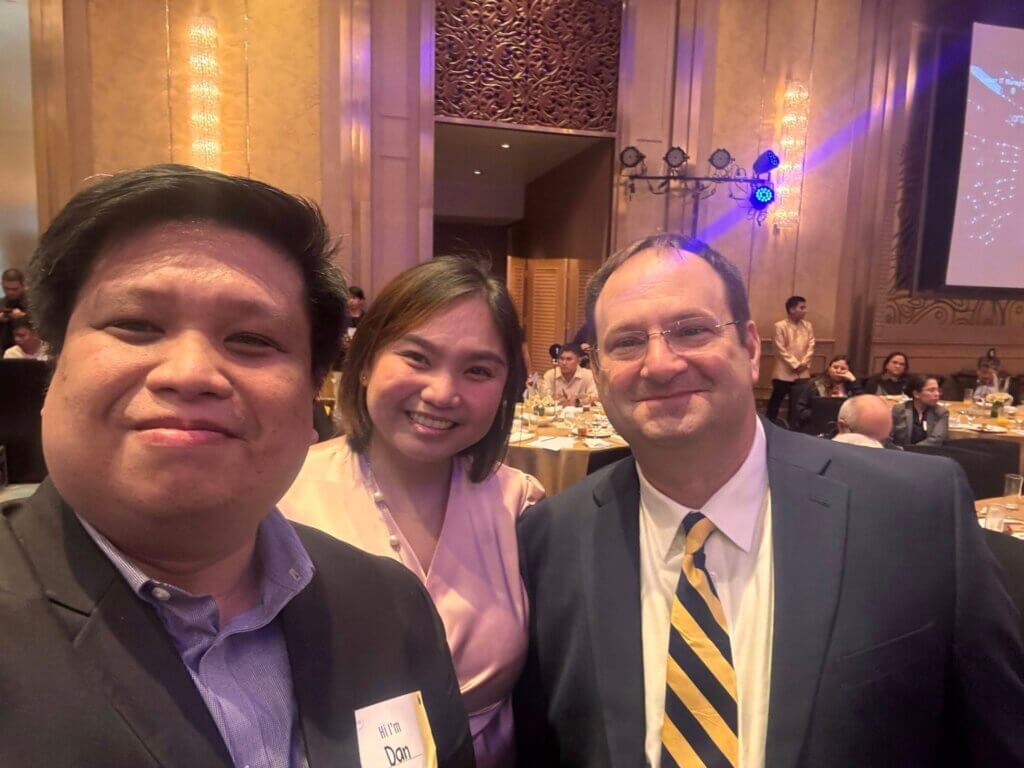
Meanwhile, Alex Siegel stressed the need for HRBPs to understand finance, operations, and compliance. He advocated for HR leaders to evolve into business leaders by gaining insights across all levels of the organization.
Key Competencies for Future HRBPs
The panel outlined essential competencies for future HRBPs, including:
- Business acumen
- Credibility and advisory skills
- Agility and adaptability
- Organizational development capabilities
A modern HRBP must be visible and trusted, fluent in the language of business, and capable of quantifying HR’s contribution to cost savings and revenue generation. Additionally, the panel discussed the Buy, Build, Borrow, Bounce framework as a strategic tool for workforce planning.
Final Thoughts: HRBPs as Business Architects
In closing, panelists agreed that HR Business Partnering is a journey—not a destination. Transactional excellence remains the foundation of strategic influence, and credibility is earned through consistent visibility and business-savvy engagement. As organizations continue to evolve, HRBPs must position themselves not just as people strategists, but as architects of business success.
Take Your HR Business Partnership to the Next Level
The PMAP discussion made it clear: HRBPs are no longer just support functions—they are strategic workforce advisors shaping business outcomes. If your organization is ready to elevate its HR strategy and align people with performance, John Clements Consultants is here to help. With decades of expertise in HR solutions and workforce transformation, we partner with businesses to unlock their people’s full potential.
Contact us today to learn how we can support your journey toward strategic HR business partnership.

