

We’ve all experienced those moments when your pulse quickens, your thoughts race, and you’re suddenly face-to-face with a difficult situation at work. I remember freezing during a college council meeting, unsure how to respond to unexpected criticism. It wasn’t that I lacked opinions—I simply didn’t know how to express them without escalating the situation. That’s why our recent workshop, Be Assertive in Difficult Situations, was such an eye-opening experience.
Learning from Leadership: A Rare Opportunity
This special session offered a rare chance to learn directly from our President and CEO, Ms. Carol Dominguez. Throughout the workshop, we explored the phases of conflict management, practiced the 5-Step Assertive Method, and examined how our default reactions can either build bridges or burn them.
Starting Strong: Facing Difficult Moments
The workshop began with an interactive icebreaker. We were asked:
- When was the last time you faced a difficult work situation?
- Did you deny, accuse, or resolve it?
After reflecting on our answers, we paired up with table partners to share. The stories were honest, sometimes funny, and often deeply relatable. One thing became clear: difficult situations are universal in the workplace. The real difference lies in how we respond.
Breaking It Down: The 3 Phases of Conflict Management
Ms. Dominguez walked us through three phases of conflict management, explained in practical, easy-to-remember terms:
- Denial – Ignoring the problem entirely. No involvement, no accountability.
- Accusation – Blaming others, often due to poor communication.
- Resolution – Taking active steps to solve the problem.
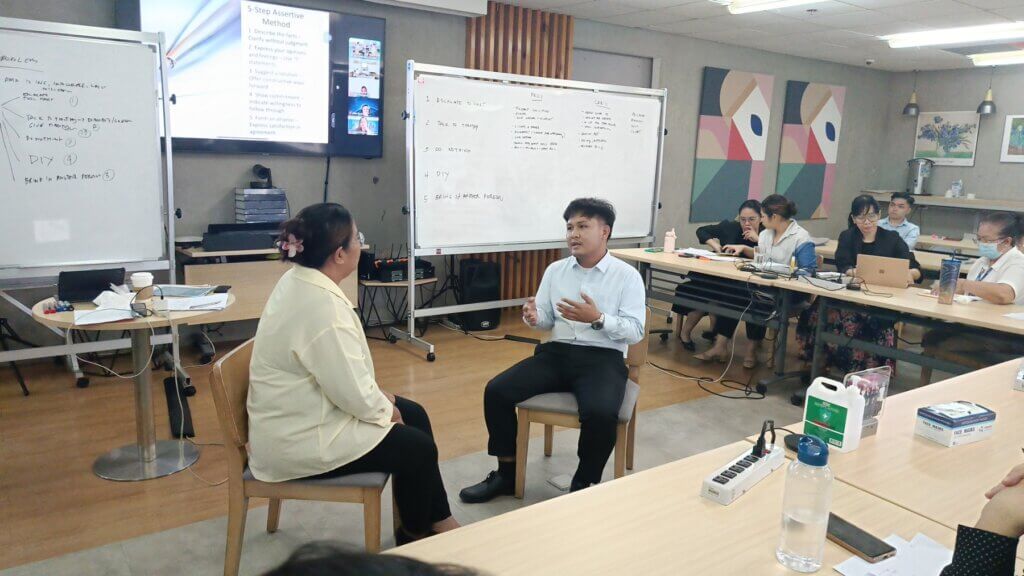
When asked which phase we tend to enter first, many admitted leaning toward denial or accusation. The downside? In the accusation phase, participants often feel defensive, demotivated, and stuck in conflict without resolution.
Looking Inward: A Moment for Self-Reflection
Next, we were invited to reflect on two questions:
- Which phase do you enter first?
- What are the pros and cons of that default approach?
Some found that denying a problem gave them time to cool off, but delayed solutions. Others felt that jumping into accusation offered temporary relief but created lasting tension.
This discussion reminded me of a Harvard Business Review article titled “It’s Time to Streamline How We Communicate at Work.” It emphasizes how scattered communication drains time, energy, and morale—especially when issues go unaddressed. Much like conflict situations, avoiding or mishandling conversations only prolongs the problem. The solution? Be deliberate: choose the right channel, tone, and timing to address concerns constructively.
Scenario in Focus: The “If You Are Sandra” Challenge
Midway through the session, Ms. Dominguez introduced a scenario: If you were Sandra, what would you do?
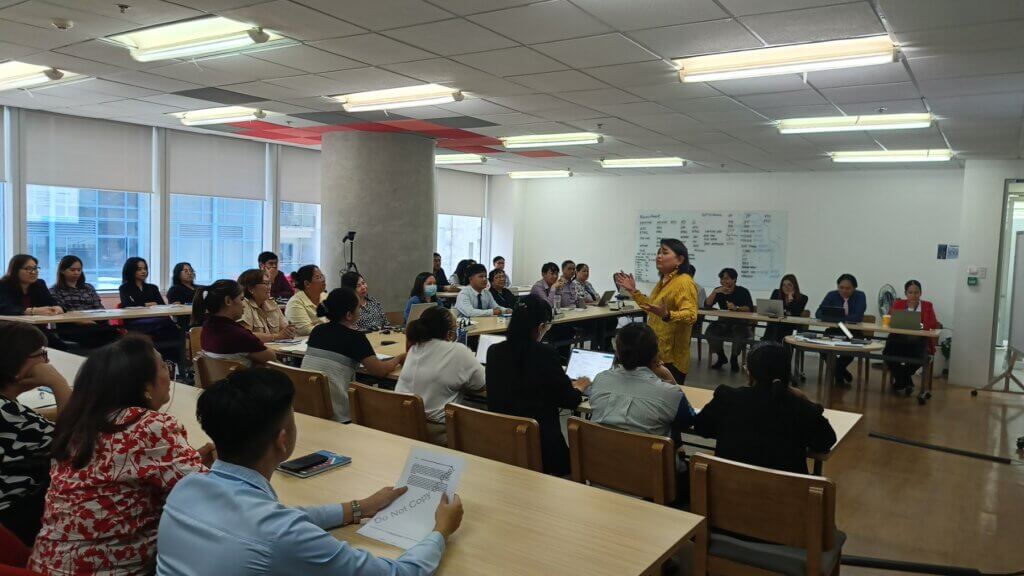
Responses varied—from confronting the person directly, to setting up a meeting, to clarifying facts before evaluating the situation. We analyzed the protagonists, dissected the problems, and brainstormed five possible solutions. The beauty of the exercise was its flexibility—it allowed us to explore different outcomes and relate them to our own experiences.
The Core Framework: Learning the 5-Step Assertive Method
The highlight of the workshop was the 5-Step Assertive Method—a simple yet powerful framework for handling difficult conversations:
- Describe the facts – Clarify the situation without judgment.
- Express your opinions and feelings – Use “I” statements to avoid sounding accusatory.
- Suggest a solution – Offer constructive ways forward.
- Show commitment – Demonstrate your willingness to follow through.
- Form an alliance – Express satisfaction in reaching agreement.
Through group facilitation and roleplay, we saw how this method transforms tension into progress. Each group discussed the pros and cons of different approaches, deepening our understanding of how tone, timing, and empathy shape outcomes.
Wrapping Up: Key Takeaways from the Group
In the final round, participants shared their insights:
- Commit to being assertive, even when it’s uncomfortable.
- Balance emotions with facts for a well-rounded approach.
- Set SMART goals that are achievable—not just idealistic.
For me, the biggest takeaway was the importance of being intentional. We often set goals, but are we truly mindful about how we pursue them? Assertiveness isn’t about being loud or dominant—it’s about approaching conversations with purpose.
A Well-Earned Break: Lunch and Connection
After that thought-provoking reflection, we enjoyed a comforting Indonesian lunch. Plates were filled with Sate Ayam, Telur Belado, crispy Bakwan Sayur, Tempe Mendoan, and fragrant Nasi Goreng. It was the perfect fuel after the roleplays and group discussions.
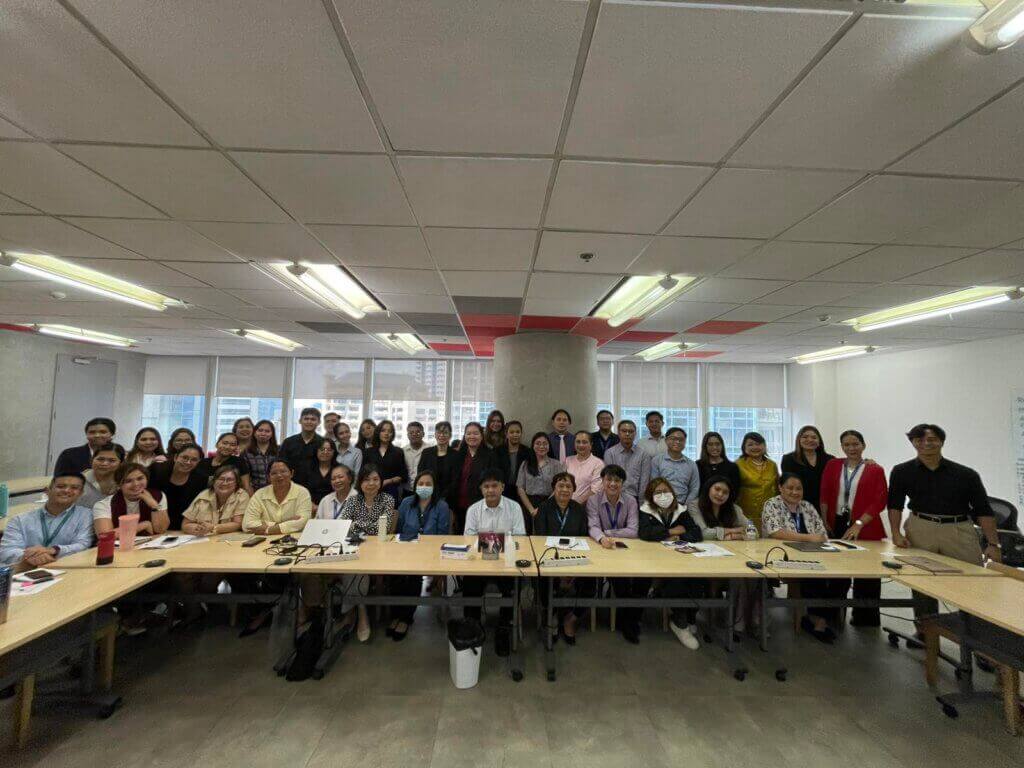
Final Thoughts: Intentional Assertiveness
After the workshop, I realized that assertiveness in difficult situations is as much about mindset as it is about skill. You can have all the tools and frameworks in the world, but if you’re not intentional—if you’re not mindful about your words, timing, and goals—you’ll miss the mark.
By being intentional, we can all handle difficult conversations with more confidence, clarity, and respect.
Being assertive in difficult situations is more than just a skill—it’s a career game-changer. If you’re ready to build confidence, communicate with clarity, and turn challenges into opportunities, John Clements Consultants can help. With decades of expertise in leadership development and workplace solutions, we’ve guided countless professionals in mastering these essential skills.
Take the first step today. Contact us and let’s work together to unlock your potential.

